Introduction
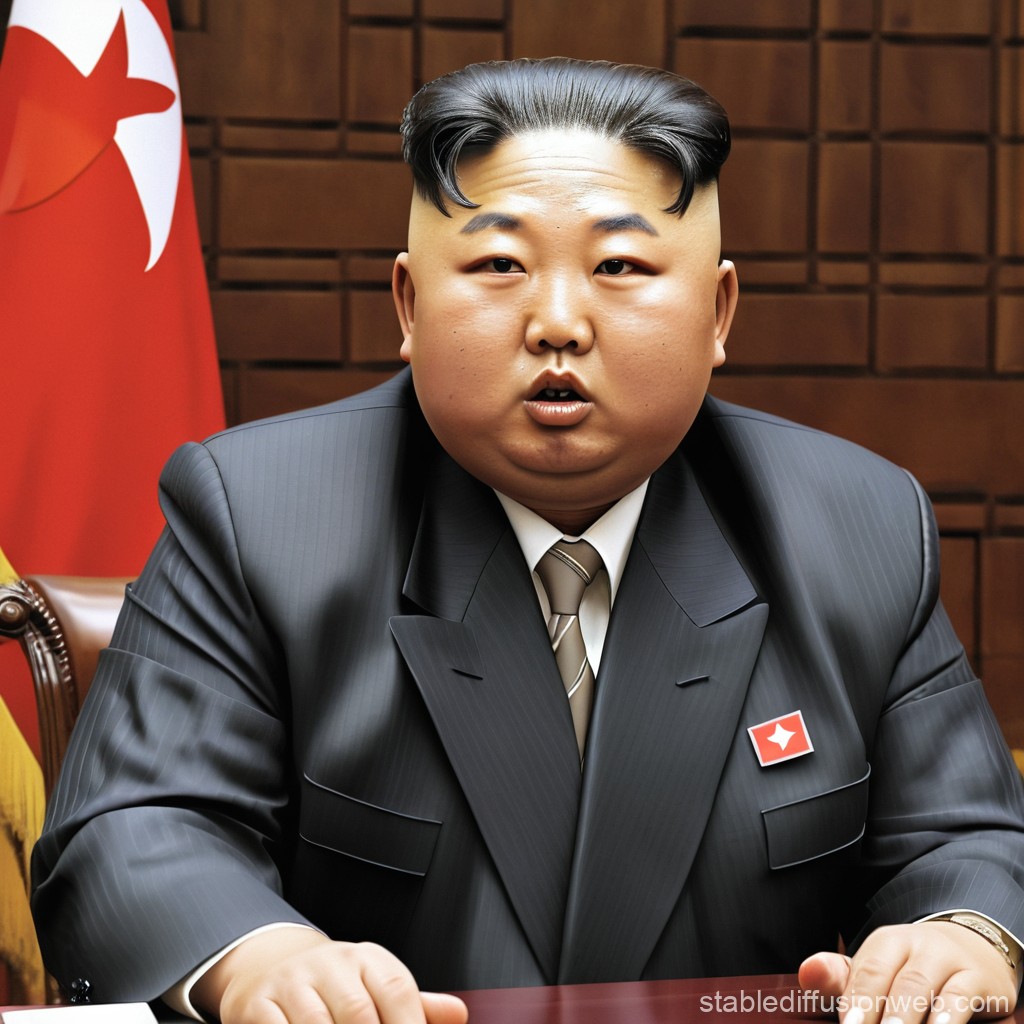
Kim Jong Un, the Supreme Leader of North Korea, has been at the forefront of global attention since he ascended to power in 2011. His leadership style, nuclear ambitions, and stringent control over the nation have made him a controversial figure not only within the Hermit Kingdom but also on the international stage. Understanding Kim’s strategies and decisions is crucial, as they hold significant implications for regional stability and global security.
Political Maneuvering and Nuclear Ambitions
Under Kim Jong Un’s regime, North Korea has accelerated its nuclear weapons programme, aggressively pursuing missile technology intended to target not just South Korea, but distant nations including the United States. Recent reports from the United Nations indicate that North Korea has conducted an unprecedented number of missile tests in 2023, with experts suggesting they are closer than ever to achieving an operational intercontinental ballistic missile (ICBM). As of this year, the country has also intensified its military drills, claiming them as necessary defensive measures against ongoing tensions with the West.
International Relations and Diplomacy
Kim’s approach to international relations has been notably dynamic. In 2018, he made history by becoming the first North Korean leader to meet a sitting U.S. President, Donald Trump, which raised hopes for a potential thaw in relations. However, since those initial summits, dialogue has stalled, leading to a resurgence in provocative missile testing. The re-election of leaders in North Korea’s traditional adversaries, along with rising tensions with allies, may complicate future decisions concerning diplomacy and de-escalation of military provocations.
Domestic Control and Human Rights
Internally, Kim Jong Un continues to consolidate power, often employing harsh measures against perceived dissent. Reports from human rights organisations detail severe restrictions on freedom of expression, movement, and access to information. The regime’s intense propaganda campaigns and brutal crackdowns on dissent reflect an ongoing commitment to maintain absolute loyalty to the Kim dynasty and prevent any opposition from emerging.
Conclusion
As we look to the future, Kim Jong Un’s actions will undoubtedly continue to be pivotal in shaping both North Korea’s internal dynamics and its interactions with the broader world. Analysts predict that the status quo may persist, with Kim prioritising military capability and regime survival over economic reforms or diplomatic engagement. For international observers, the stakes remain high as North Korea’s nuclear ambitions pose risks not only to regional players but also worldwide peace efforts.