Introduction
The discussion surrounding health care in the United States remains a pivotal topic, especially as the country grapples with rising costs and accessibility issues. The Republicans’ health care plan has recently come under scrutiny while aiming to address these critical areas. Understanding this plan is essential for citizens, as it could shape the future of health care access and affordability for millions of Americans.
Key Elements of the Republicans’ Health Care Plan
In 2023, the core components of the Republicans’ health care plan focus on promoting private sector solutions, reducing regulatory burdens, and enhancing competition among health care providers. One significant aspect is the proposal to expand Health Savings Accounts (HSAs), which allow individuals to save pre-tax money for medical expenses.
Additionally, the plan seeks to revise regulations under the Affordable Care Act (ACA), aiming to eliminate mandates that Republicans argue restrict consumer choice. This includes potentially repealing the individual mandate and allowing insurance companies to offer a wider variety of plans that may not adhere to ACA standards, potentially making premiums lower for some consumers.
Impact on Health Care Costs and Accessibility
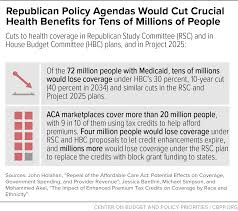
Proponents of the Republicans’ plan argue that increased competition will ultimately drive down health care costs and improve accessibility. However, critics raise concerns that reducing the scope of coverage could lead to many Americans losing their health insurance or facing higher out-of-pocket costs. According to a recent survey by the Kaiser Family Foundation, nearly 30% of Americans feel that comprehensive coverage provided by the ACA is crucial for maintaining their health, illustrating the divide in public sentiment.
Legislative Challenges Ahead
The path to enacting the Republicans’ health care plan is fraught with challenges. With a divided Congress and varying opinions within the party, it remains to be seen whether major reforms can gain the necessary support. Additionally, lobbyists and interest groups representing health care providers, pharmaceutical companies, and insurance firms have significant stakes in the debate, likely influencing the final shape of any legislation.
Conclusion
The Republicans’ health care plan represents a pivotal shift in the approach to health policy in the United States. As discussions develop and lawmakers refine their proposals, it will be crucial for citizens to stay informed and engaged in the conversation. The plan’s potential impact on millions of Americans’ health care experiences makes it a topic of essential relevance. Upcoming legislative sessions will likely reveal the extent to which these proposals can be enacted, shaping the future of health care in America.