Introduction
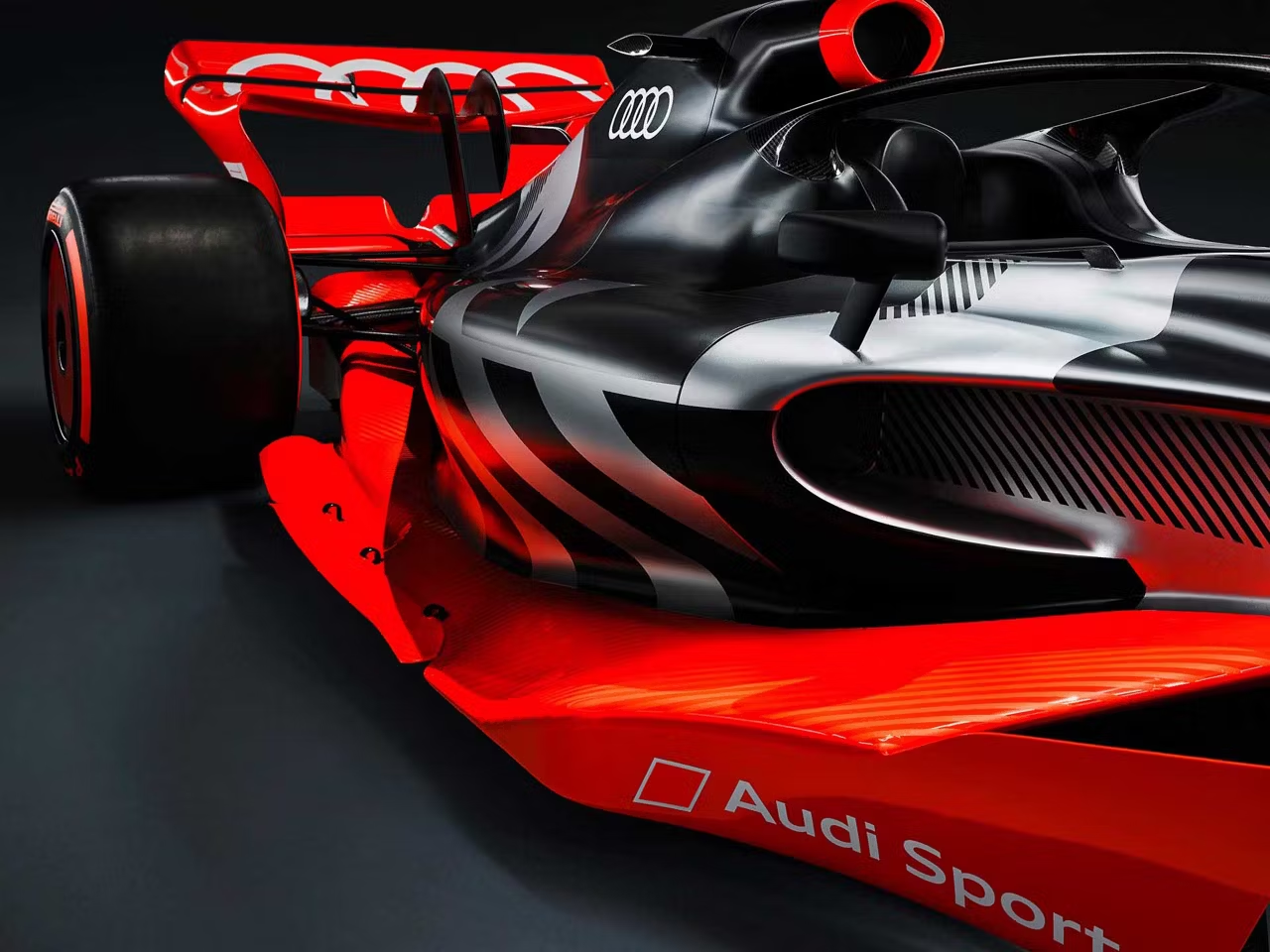
The announcement of Audi’s entry into Formula 1 marks a significant moment in the history of motorsport. This move is not just a testament to Audi’s commitment to innovation in automotive technology, but also signifies a new era in Formula 1 as the sport evolves towards sustainable operations. With a strategic focus on hybrid technology and a robust development programme, Audi aims to leverage its engineering expertise in one of the world’s most prestigious racing series.
Audi’s Strategic Entry
Audi is set to compete in Formula 1 from the 2026 season, entering a new power unit regulation era aimed at increasing efficiency and sustainability. The new regulations require a move toward hybrid engines, which aligns perfectly with Audi’s existing expertise in electric vehicle technology. The company has already begun the development of an advanced power unit at a new facility in Neuburg, Germany, which is expected to incorporate elements of its experience from other motorsport platforms, including its successful ventures into endurance racing.
Partnerships and Collaborations
As part of its strategy, Audi has announced a partnership with the Sauber Formula 1 team, a collaboration that positions Audi to gain immediate competitiveness on the grid. By investing in an existing team rather than starting from scratch, Audi aims to leverage Sauber’s resources and experience. This partnership also allows them to share knowledge and technology, speeding up the development timeline to ensure they are in a strong competitive position when the regulations change.
The Significance for Formula 1
Audi’s entry into Formula 1 is not just a boon for the team itself but is expected to inject new life and interest into the sport. As more manufacturers shift focus towards sustainability, Audi’s commitment reinforces Formula 1’s strategy to become more relevant as a technological leader in the broader automotive industry. The increased competition among teams, particularly with the arrival of Audi, can lead to more thrilling races and a more engaging experience for fans worldwide.
Conclusion
With the automotive landscape evolving rapidly, Audi’s entry into Formula 1 represents a pivotal turn towards sustainable development in motorsport. As they prepare for their 2026 debut, both motorsport enthusiasts and industry experts will be watching closely. Audi’s combination of innovation, collaboration with Sauber, and a commitment to sustainability could herald a future of exciting racing while setting a benchmark for others. The implications of this entry could resonate throughout the automotive industry, driving further advancements in hybrid and electric vehicle technologies.