Introduction
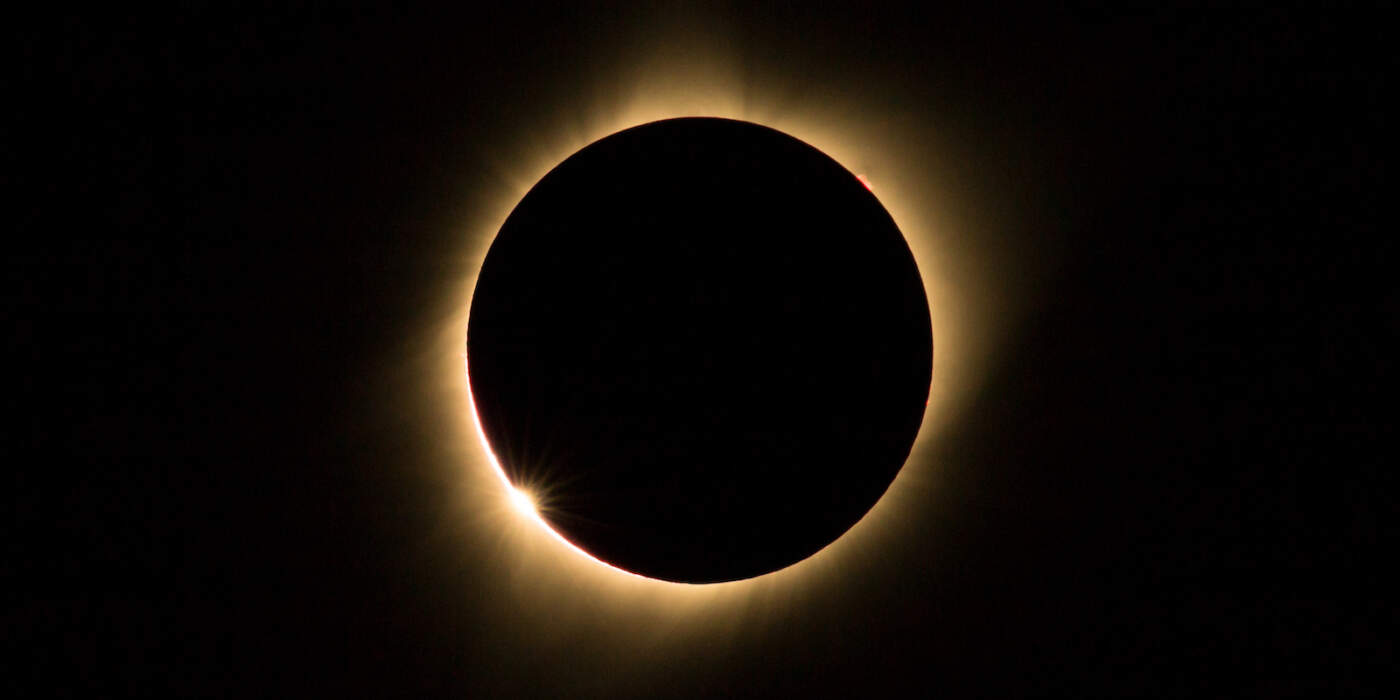
Solar eclipses are astronomical events of significant interest and importance, captivating the attention of scientists and the general public alike. Occurring when the Moon passes between the Earth and the Sun, solar eclipses can create stunning visual experiences and provide valuable data for researchers. Understanding these phenomena not only enriches our knowledge of the cosmos but also highlights the delicate balance in our solar system.
Types of Solar Eclipses
There are three primary types of solar eclipses: total, partial, and annular. A total solar eclipse occurs when the Moon completely covers the Sun, allowing viewers in the path of totality to experience a brief period of darkness during the day. Partial solar eclipses happen when only a part of the Sun is obscured by the Moon, while an annular eclipse occurs when the Moon is too far from the Earth to completely cover the Sun, resulting in a ‘ring of fire’ appearance. These events vary in frequency and visibility, often occurring several times a year, yet locations for total eclipses may be limited.
Recent Events and Upcoming Eclipses
On April 20, 2023, a hybrid solar eclipse was visible in parts of Southeast Asia, Australia, and the Pacific. This unique eclipse allowed viewers to experience both total and annular eclipse phases. Looking ahead, the next significant solar eclipse will occur on October 14, 2023, with an annular eclipse visible across the United States, Central America, and parts of South America. Eclipses have gained particular attention in recent years, with increased participation in viewing events and scientific studies. Notably, the 2017 solar eclipse witnessed millions of people across the United States gathering to observe this extraordinary phenomenon.
Significance and Impact of Solar Eclipses
Solar eclipses are not just visually breathtaking; they also play a crucial role in scientific research. They provide unique opportunities to study the Sun’s corona and its magnetic field, contributing to our understanding of solar flares and space weather phenomena. Moreover, these events often spur interest in astronomy and science among the public, encouraging educational outreach and activities. Advances in technology and the popularity of social media have allowed enthusiasts to share their experiences and findings more broadly, fostering a community of learners about cosmic events.
Conclusion
In conclusion, solar eclipses are fascinating celestial events that garner widespread interest due to their majestic beauty and scientific significance. As we anticipate upcoming solar eclipses, the excitement surrounding these events continues to grow, inspiring new generations to explore the wonders of astronomy. Understanding the nature of solar eclipses not only deepens our appreciation for the universe but also reinforces the importance of continual scientific inquiry.