Introduction
Aruba, a small yet captivating island located in the Caribbean Sea, is renowned for its stunning beaches, diverse culture, and thriving tourism industry. As one of the most popular tourist destinations, especially post-pandemic, Aruba is not just a paradise for beach lovers but also a vibrant hub of local heritage and community. Its significance lies in how it combines natural beauty with a rich historical background, making it a perfect getaway for travellers seeking both relaxation and exploration.
The Allure of Aruba’s Beaches
With over 20 miles of pristine beaches, Aruba is often celebrated for its exceptional coastal beauty. Eagle Beach and Palm Beach are two of the most famous, attracting tourists with their soft white sands and crystal-clear waters. In recent news, Aruba has seen an increase in eco-friendly tourism initiatives, with several resorts adopting sustainable practices to protect these natural treasures. The Aruba Tourism Authority reported a 30% increase in eco-tourism activities from last year, reflecting travelers’ growing interest in preserving the environment.
Culture and Heritage
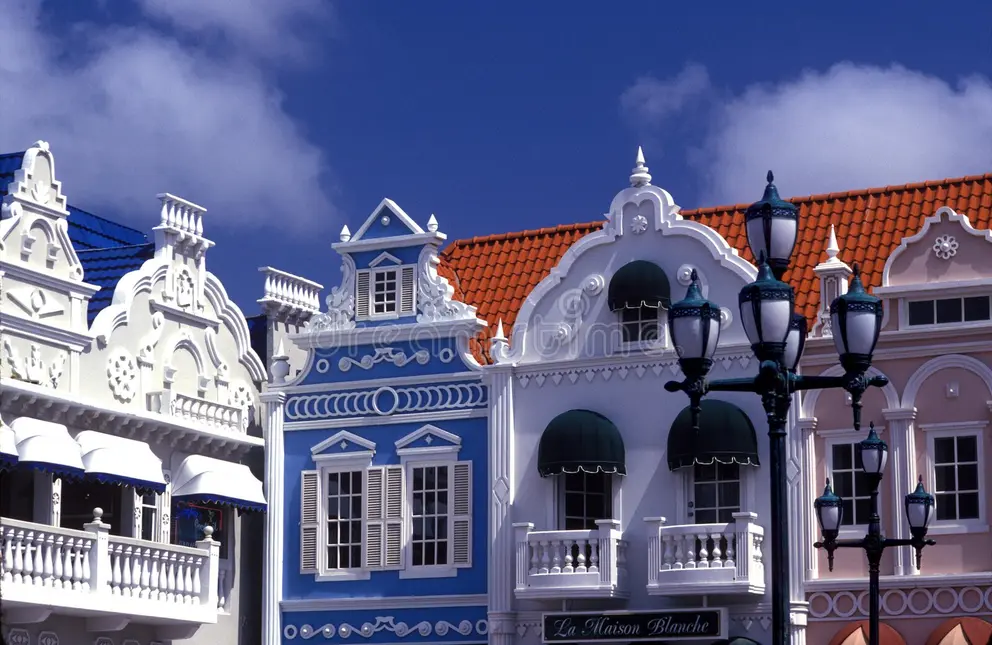
Aruba’s culture is a vibrant melting pot of influences from its Indigenous Arawak roots, Spanish colonisers, Dutch governance, and African heritage. This rich tapestry is prominently displayed during local festivals such as the Carnival, which features colourful parades, traditional music, and folkloric dance that take place from January to February each year. In 2023, the Carnival celebrations highlighted not only traditional practices but also modern renditions that appealed to both locals and tourists.
Tourism Dynamics
As travel restrictions ease globally, Aruba has become a focal point for international tourists seeking sun and sand. Recent statistics indicate that tourist arrivals have surged by 50% compared to the previous year, as travellers flock to the island’s resorts, restaurants, and recreational activities. The government has actively promoted Aruba as a safe and desirable destination, leading to a robust recovery in its tourism economy. Measures such as enhanced safety protocols and vaccination campaigns have positioned Aruba as a leader in Caribbean tourism.
Conclusion
Aruba’s combination of natural beauty, cultural richness, and a robust tourism industry makes it a fascinating destination for travellers worldwide. As the island continues to innovate in eco-tourism and cultural preservation, its significance only grows stronger. With forecasts suggesting that the tourism sector will continue to thrive, visitors can expect an unforgettable experience that blends idyllic relaxation with cultural exploration. For anyone considering their next vacation, Aruba is undoubtedly a top contender.