Introduction
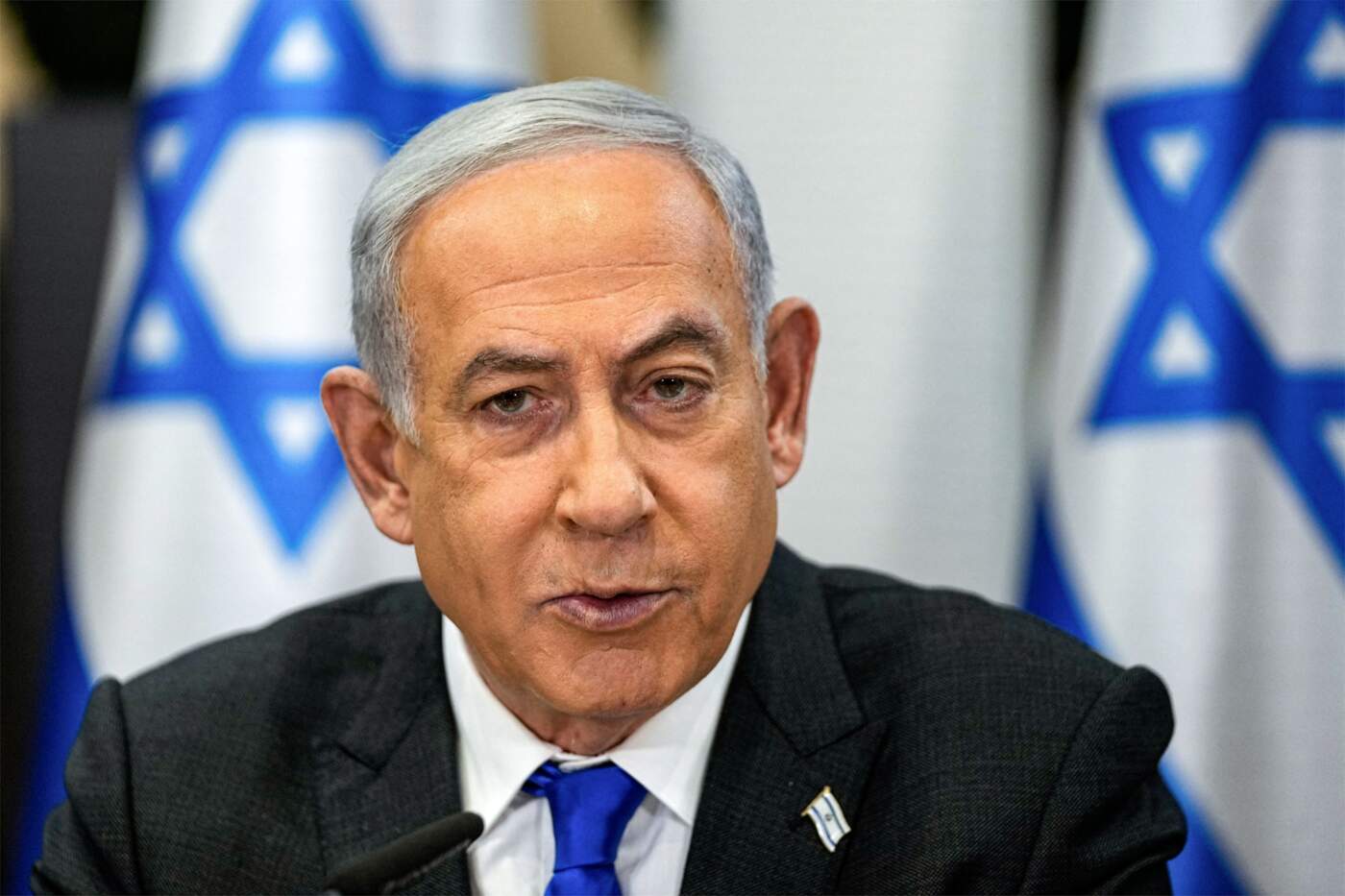
Benjamin Netanyahu, the Prime Minister of Israel, continues to dominate the political landscape, navigating a series of challenges that have significant implications for the country and its citizens. As the longest-serving Prime Minister in Israel’s history, his influence is deeply rooted in Israeli politics, making any developments regarding his leadership crucial for understanding the current state of the nation.
Recent Developments
In recent weeks, Netanyahu has faced mounting pressure both domestically and internationally. His government’s handling of various issues, including security threats, economic challenges, and public protests against judicial reforms, has stirred significant public discontent.
The most notable event was the widespread protests that erupted as a response to proposed judicial reforms aimed at limiting the power of the Supreme Court. Critics argue that these reforms could undermine democracy, leading to mass demonstrations across major cities. The public outcry has drawn a response from Netanyahu, who maintains that the reforms are necessary for the country’s governance and reflect the will of the majority.
International Relations
On the international front, Netanyahu’s administration continues to grapple with complex diplomatic relationships. Recently, Israel’s ties with the United States have been tested over its approach to the Palestinian conflict and settlement expansion in the West Bank. The Biden administration has urged restraint and a focus on a two-state solution, which Netanyahu’s government has struggled to reconcile with its political base that strongly supports settlement growth.
Moreover, Netanyahu has engaged in dialogues with various Arab nations, following the Abraham Accords, aimed at normalising relations. However, these efforts are often overshadowed by the ongoing conflict with Palestine, which remains a central and contentious issue in Netanyahu’s leadership.
Conclusion
As Netanyahu navigates these tumultuous waters, the future of his leadership remains uncertain. His ability to balance domestic demands with international expectations will be critical in shaping Israel’s path forward. Observers predict that if the protests continue and the public discontent grows, Netanyahu may face increased pressures that could lead to significant political changes. For readers, understanding these dynamics is essential, as they will not only shape Israeli politics but may also have wider implications for regional stability and international relations.