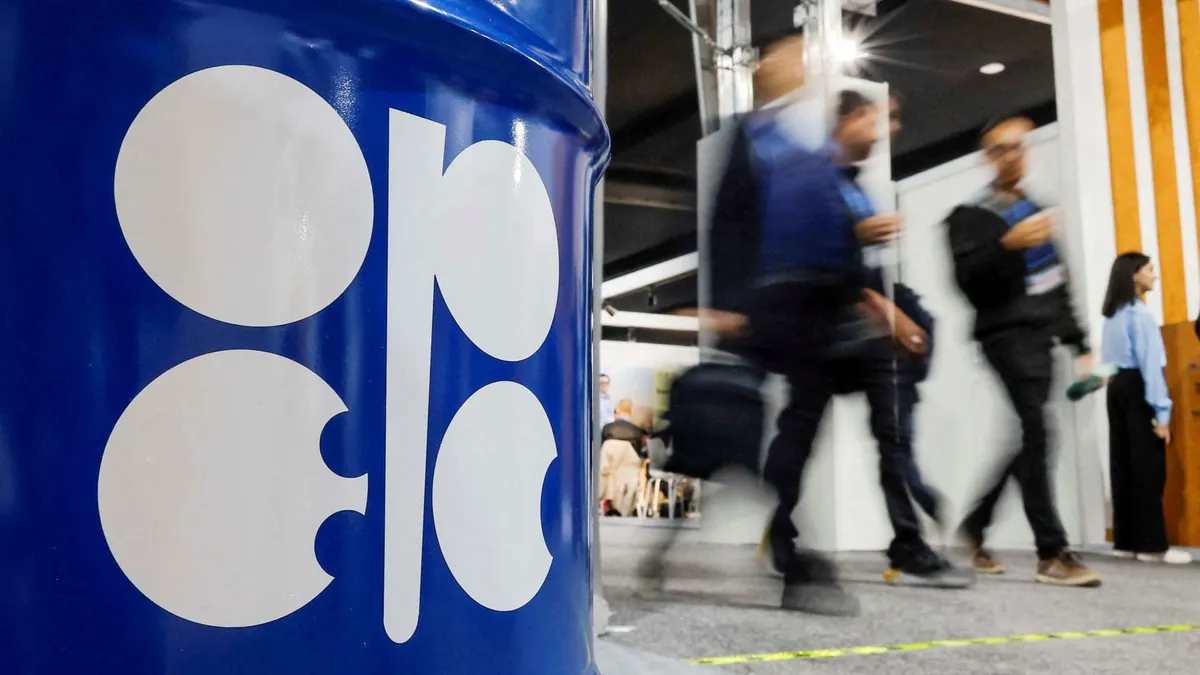
The United Arab Emirates has officially announced its decision to leave OPEC, a move that takes effect on April 28, 2026. This departure is seen as a significant blow to the oil cartel, particularly as global oil prices continue to rise amidst ongoing geopolitical tensions.
Founded in 1960, OPEC has long played a crucial role in regulating oil production and prices. The UAE joined the organization in 1967 and remained a member even after its formation in 1971. However, recent events have prompted this unexpected shift.
On April 20, the UAE criticized fellow Arab states for not doing enough to protect it from Iranian attacks, which have posed a direct threat to its crude oil exports. Anwar Gargash, a senior Emirati official, stated, “The Gulf Cooperation Council countries supported each other logistically, but politically and militarily, I think their position has been the weakest historically.” This sentiment reflects growing frustrations within the region.
As of late April, Brent crude oil prices have surged to $119.50 per barrel—an increase of over 3.4% since the outbreak of the Iran war. The UAE’s exit could further complicate the energy market, especially since about a fifth of the world’s crude oil and liquefied natural gas passes through the Strait of Hormuz.
Donald Trump has previously accused OPEC of inflating oil prices, suggesting that this shift may be perceived as a victory for him amid rising global costs. The implications of the UAE’s departure could reverberate throughout the energy sector and beyond.
As things stand now, it remains unclear how this exit will affect OPEC’s influence on global oil markets or how other Gulf nations will respond. The upcoming weeks will likely reveal more about the consequences of this pivotal decision.