Introduction
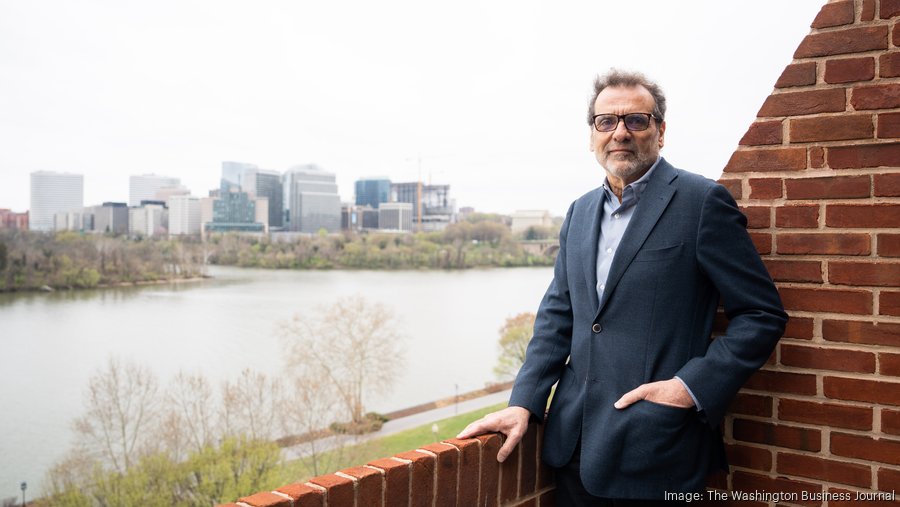
Shalom Baranes is a prominent figure in the field of architecture, known for his innovative designs and urban planning strategies. His work has significantly transformed the landscapes of various cities, particularly in Washington D.C., and has garnered attention for its sustainable approach. As urban environments continue to evolve, the importance of architectural visionaries like Baranes becomes increasingly relevant, influencing future generations of architects and urban planners.
Career Highlights and Contributions
Born in the United States, Shalom Baranes established his architectural firm, Shalom Baranes Associates, in 1996. Since then, the firm has been responsible for a multitude of impactful projects, ranging from residential buildings to large-scale commercial developments. Notably, Baranes emphasizes designs that integrate with their surroundings, promoting both aesthetic appeal and functionality.
One of Baranes’s significant contributions is the revitalization of urban spaces through mixed-use developments. These projects not only provide retail and housing options but also foster community engagement. For instance, the U Street Corridor Redevelopment has transformed a historically rich area into a vibrant hub, combining commercial and residential space while retaining its cultural heritage.
Emphasis on Sustainability
Baranes is also recognized for his dedication to sustainability in architecture. His firm employs environmentally friendly design principles in various projects, advocating for energy-efficient systems and the use of sustainable materials. This commitment resonates with today’s architectural trends, where climate-conscious design is increasingly paramount. In 2023, Baranes received accolades for his involvement in the DC Sustainability Initiative, aimed at reducing the carbon footprint of buildings across the city.
Future Outlook
Looking ahead, Shalom Baranes continues to influence the architecture industry with his forward-thinking approaches to design. His firm is currently involved in several high-profile projects that aim to modernise urban living while addressing existing environmental challenges. According to industry experts, Baranes’s work could set new benchmarks for urban architecture, intertwining modern conveniences with sustainable practices.
Conclusion
The significance of Shalom Baranes in contemporary architecture is undeniable, as his innovative designs and commitment to sustainable practices shape cities of the future. For aspiring architects and urban designers, Baranes stands as a model of how creativity can harmonise with responsibility for the environment. As urban populations grow, the need for visionaries like Baranes will remain essential in crafting a sustainable and livable future.