Introduction
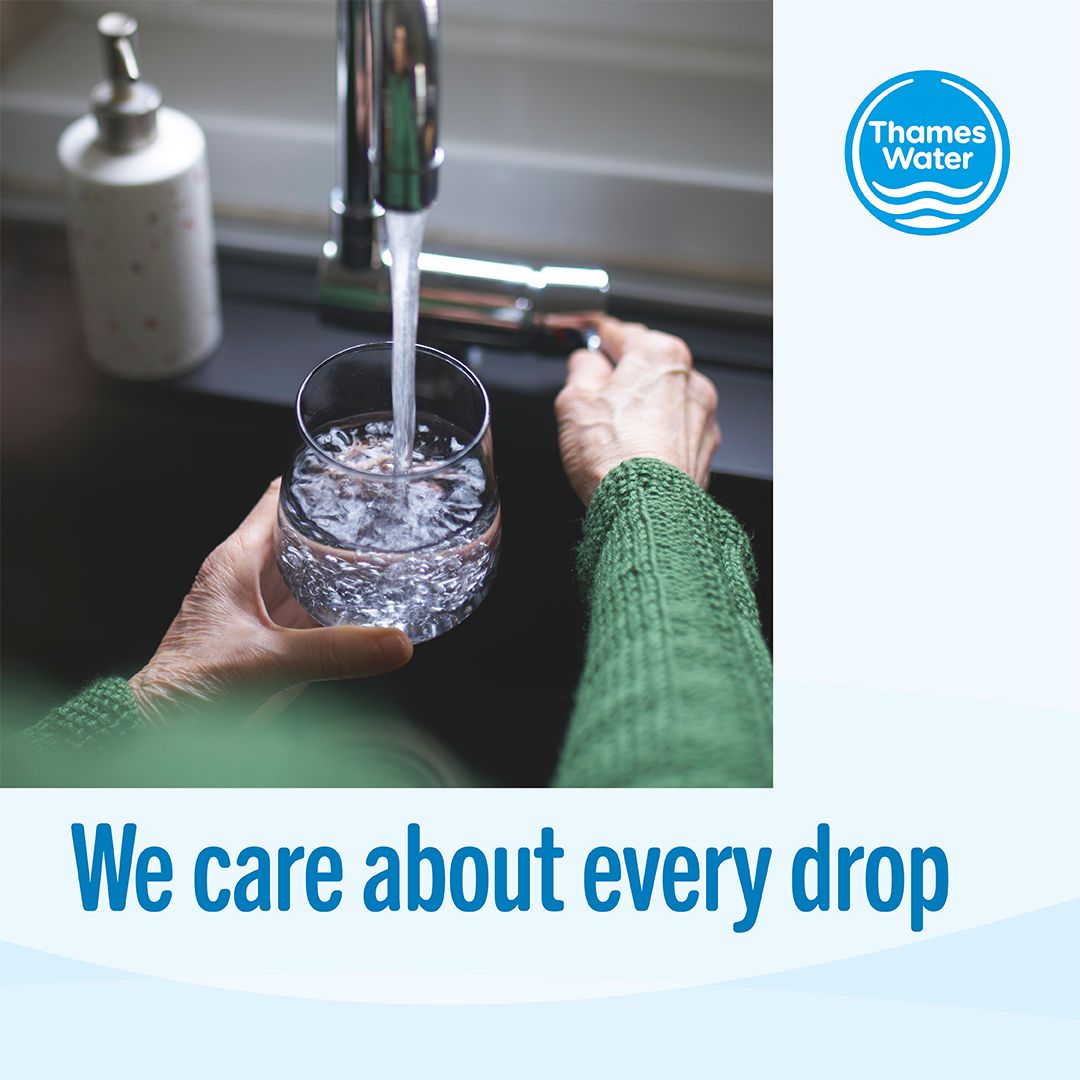
Thames Water, the largest water and wastewater services provider in the UK, plays a crucial role in supplying water to over 15 million customers across London and the Thames Valley. With the spotlight on environmental sustainability and infrastructure development in 2023, Thames Water is at the forefront of addressing pressing challenges related to climate change, population growth, and aging infrastructure.
Current Challenges
As environmental concerns mount, Thames Water has faced scrutiny regarding its management of water resources and the impacts of sewage discharge into the rivers and seas. Reports have indicated an increase in wastewater discharge incidents, leading to calls for more stringent regulations and better practices. In 2022, Thames Water recorded over 60 unpermitted sewage discharge events, prompting criticisms from environmental groups and regulators. In response, the company has vowed to upgrade its treatment facilities and invest in technologies to reduce these incidents.
Moreover, Thames Water is grappling with increasing demand for water supply as the UK experiences a growing population along with hotter, drier summers exacerbated by climate change. A recent report published by the Environment Agency stated that by 2050, water demand in London could exceed supply if current practices continue. Thus, Thames Water is exploring innovative solutions, including water recycling and efficiency improvements, to ensure sustainable supply in the long term.
Recent Developments
To counter these challenges, Thames Water has unveiled its five-year business plan, which includes an investment of over £1 billion aimed at improving infrastructure, enhancing customer service, and promoting sustainability. Plans include the construction of new reservoirs, the installation of advanced monitoring systems, and expanding water recycling facilities. Furthermore, Thames Water has committed to reducing its carbon footprint by 20% by 2025, adhering to the government’s net-zero targets.
Conclusion
Thames Water stands at a critical juncture as it navigates the complexities of environmental stewardship while meeting the increasing demands for water supply. The coming years will test the company’s adaptability and commitment to sustainability amid the backdrop of climate change and regulatory pressures. For residents in the service area, the measures being implemented could mean a more sustainable and reliable water supply, but success hinges on Thames Water’s execution of its ambitious plans and engagement with stakeholders.