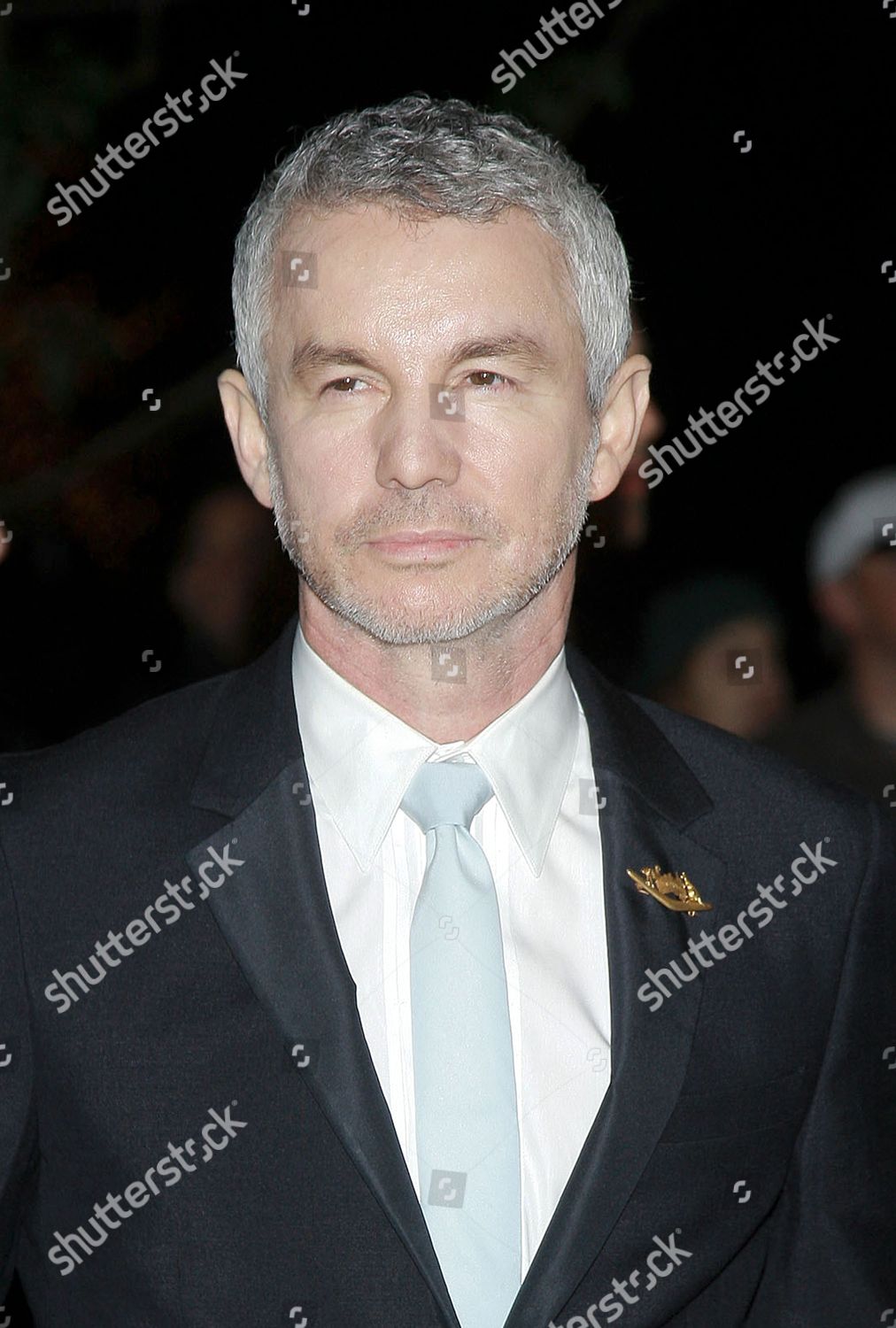
Introduction to Baz Luhrmann
Baz Luhrmann is an Australian filmmaker, known for his distinctive style that blends visual spectacle with thematic depth. His works often incorporate elements of music, dance, and vibrant visuals, making his films instantly recognizable. As cinema continues to evolve, Luhrmann’s unique approach resonates in the industry, prompting discussions about the future of storytelling in film.
Notable Works and Their Impact
Luhrmann’s career began with the groundbreaking film Strictly Ballroom (1992), which challenged conventional norms of the Australian film industry. This success was followed by the lavish adaptation of Romeo + Juliet (1996) and the visually stunning Moulin Rouge! (2001), both of which showcased his ability to weave modern elements into classic narratives.
More recently, Luhrmann has directed the highly anticipated biopic of Elvis Presley, titled Elvis (2022). The film received critical acclaim for its innovative storytelling and was hailed as a fresh take on a well-known story. The way Luhrmann utilizes music not only highlights the characters’ emotions but also draws audiences into the era he depicts.
Luhrmann’s Signature Style
One of the hallmarks of Luhrmann’s films is his ability to create a hyper-realistic world that feels both familiar and fantastical. His use of bold colours, rapid editing, and an eclectic soundtrack creates an immersive experience for viewers. This unique cinematic language has influenced contemporary filmmakers who seek to push the boundaries of visual storytelling.
Conclusion: The Legacy and Future of Baz Luhrmann
As Baz Luhrmann continues to produce and direct films, his impact on modern cinema becomes increasingly significant. His approach not only entertains but also challenges audiences to engage with the narrative on multiple levels. Looking ahead, it is likely that Luhrmann will continue to inspire a new generation of filmmakers who aspire to blend artistic innovation with commercial success. There is no doubt that his legacy will shape the future of filmmaking as we know it.