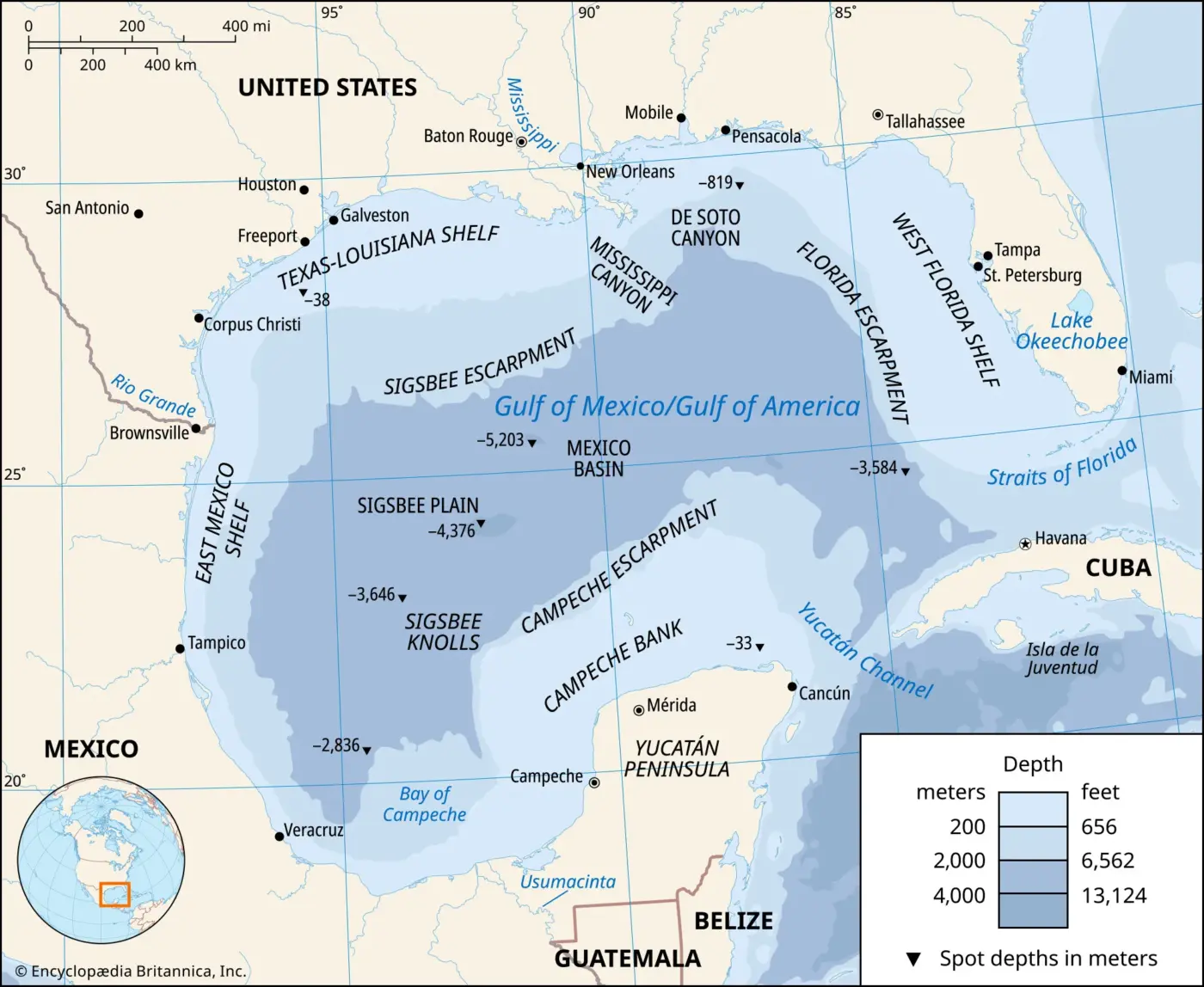
Introduction
The Gulf of Mexico is not just a picturesque expanse of water; it is a vital ecosystem that supports a rich diversity of marine life and plays a crucial role in the economy of the surrounding regions. Covering over 600,000 square miles, the Gulf is a critical resource for fisheries, tourism, and oil production. Understanding its current challenges and the importance of conservation is relevant for policy makers, environmentalists, and the general public.
Economic Importance
The Gulf of Mexico is home to one of the largest fisheries in the United States, providing millions of jobs and billions of dollars in revenue each year. In 2022, commercial fishing in the Gulf generated nearly $1.7 billion, as reported by the National Oceanic and Atmospheric Administration (NOAA). According to industry analysts, approximately 75% of the seafood consumed in the United States is caught in the Gulf waters, showcasing its significance in the national food supply.
Additionally, the Gulf is a hub for the oil and gas industry, facilitating a substantial portion of the nation’s energy production. According to the Bureau of Ocean Energy Management, the Gulf produced approximately 17% of U.S. crude oil and 4% of natural gas in 2021. However, this critical economic zone faces scrutiny regarding environmental concerns and the sustainability of resource extraction.
Environmental Challenges
The Gulf of Mexico is also a fragile ecosystem that is under threat from various environmental issues, including pollution, overfishing, and the impacts of climate change. The 2010 Deepwater Horizon oil spill remains one of the most devastating environmental disasters in history, impacting marine life and local economies significantly. Recent studies indicate that while the Gulf is slowly recovering, some areas are still experiencing adverse effects on marine biodiversity.
Moreover, nutrient runoff from agriculture in the Mississippi River basin has created a ‘dead zone’ in the Gulf, where oxygen levels are so low that marine life cannot survive. The National Oceanic and Atmospheric Administration predicts that the size of this dead zone may vary but has reached as large as 7,000 square miles in recent years.
Conclusion
As we move forward, the need for sustainable practices in fishing, tourism, and energy production in the Gulf of Mexico is imperative. The ongoing conservation efforts, such as the establishment of marine protected areas, are crucial in preserving this vital ecosystem for future generations. Enhancing public awareness and engaging communities can drive efforts to protect this essential body of water. As the Gulf continues to provide economic benefits, it is equally important to ensure that it remains a thriving habitat for marine life and a cherished part of our natural heritage.