Introduction to Persia
Persia, the ancient name of modern-day Iran, has significantly influenced the world’s cultural, political, and social landscapes. With a history stretching back over 2,500 years, Persia is often associated with the Achaemenid Empire, one of the largest empires in history. Understanding Persia’s contributions is crucial, as it lays the foundation for many cultural aspects still prevalent today.
The Rise of the Achaemenid Empire
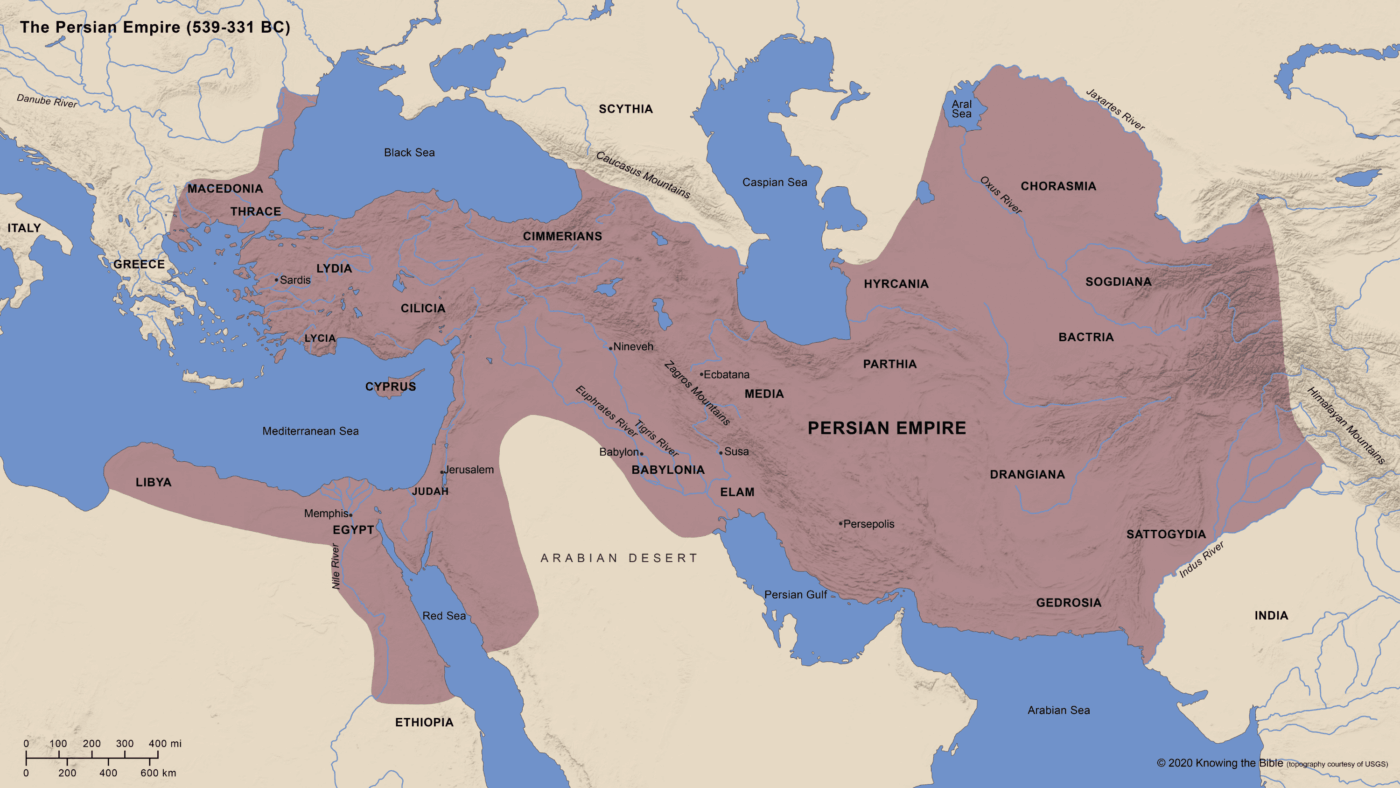
The Achaemenid Empire, founded by Cyrus the Great in the 6th century BC, marked the beginning of Persia’s prominence in world history. This empire expanded to include territories across three continents, including parts of Europe, Africa, and Asia. Cyrus’s establishment of the Empire set a precedent for governance and administration, implementing innovative approaches like the use of satraps to oversee different regions.
Cultural Contributions
Persia was also a cradle of culture and civilization, contributing vastly to arts and sciences. Persian architecture, typified by majestic structures like Persepolis, showcases the grandeur and sophistication of the period. The Persian language and literature, epitomized by the works of poets like Rumi and Hafiz, have left an enduring legacy that continues to inspire people globally.
Islamic Golden Age and Beyond
After the Islamic conquest in the 7th century AD, Persia became a vital center for the Islamic Golden Age. This period saw tremendous advancements in philosophy, medicine, and astronomy, with scholars like Avicenna and Omar Khayyam emerging from this region. Persian influence in these fields culminated in the flourishing of knowledge that had a lasting impact on both the East and West.
The Modern Era
In modern times, Iran has experienced monumental changes, from the Constitutional Revolution in the early 20th century to the Islamic Revolution of 1979. Each historical event has contributed to shaping Iran’s identity and its relation to the rest of the world. Today, while political complexities abound, the cultural heritage of Persia continues to captivate and influence many aspects of global culture.
Conclusion
The importance of Persia in historical context cannot be overstated. It not only played a pivotal role in the formation of empires but also significantly contributed to arts, literature, and sciences that have shaped various cultures around the world. Understanding Persia’s past helps illuminate present-day issues and fosters a deeper appreciation for the interconnectedness of human civilization. As we move forward, the legacy of Persia remains a vital chapter in the story of humanity.