Introduction
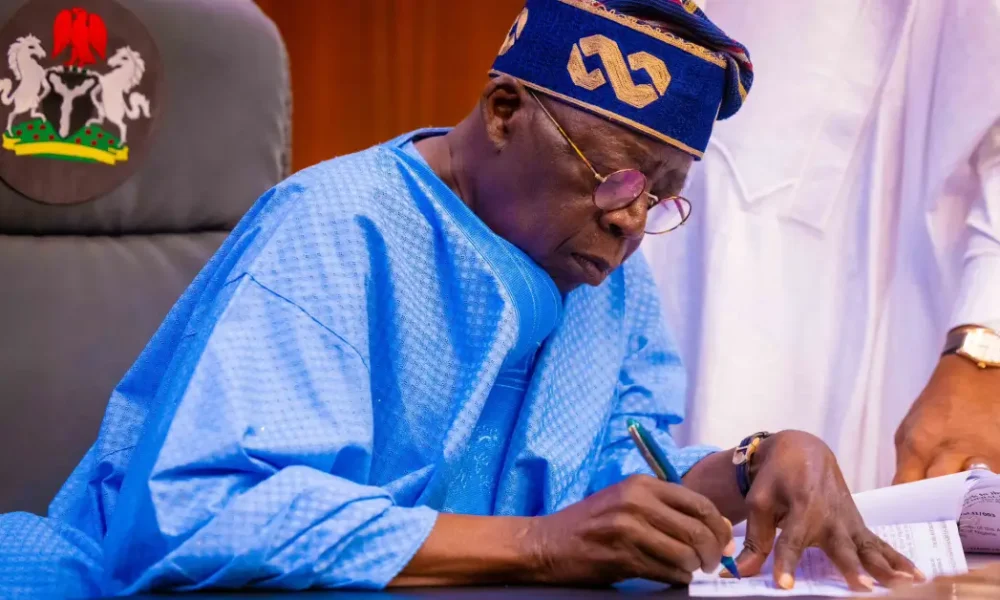
Since his inauguration in May 2023, President Bola Ahmed Tinubu has been at the forefront of Nigeria’s governance, marking a significant chapter in the nation’s political evolution. His leadership is pivotal as Africa’s most populous country navigates a landscape fraught with economic, security, and governance challenges. Understanding his administration’s direction is crucial for citizens and stakeholders alike.
Main Body
President Tinubu’s ascent to power follows years of political experience, having previously served as the Governor of Lagos State from 1999 to 2007. His campaign focused on economic revitalization, job creation, and a commitment to tackling insecurity, which has plagued Nigeria in recent years. Upon taking office, he promptly launched several initiatives aimed at addressing these pressing issues.
Among the most significant strategies has been the revitalisation of the economy through his administration’s economic policies. Tinubu’s government has proposed reforms to enhance the business environment, attract foreign investment, and stimulate local industries. In response to Nigeria’s rising inflation and economic challenges, he assured the public of measures aimed at stabilising prices and creating job opportunities.
Security remains a top concern for his administration. With ongoing conflicts involving Boko Haram in the northeast and escalating violence in various regions, President Tinubu has committed to enhancing military operations and improving intelligence capabilities to tackle these security threats. His government has also sought to engage with community leaders and enhance local policing strategies to foster a safer environment.
International relations have also seen a shift under Tinubu’s leadership, marked by efforts to strengthen partnerships with countries in Africa and beyond. Improving the bilateral ties with key nations could offer Nigeria additional support in its development agenda and bolster its regional influence.
Conclusion
As President Tinubu continues to chart a course for Nigeria, the importance of his governance strategies cannot be overstated. His administration faces immense challenges but also possesses opportunities for significant reform and growth. Future developments will be closely watched, particularly concerning economic resilience and national security. With ongoing national and international expectations, how he navigates these crucial areas will determine the legacy of his presidency and the future trajectory of Nigeria.