Introduction
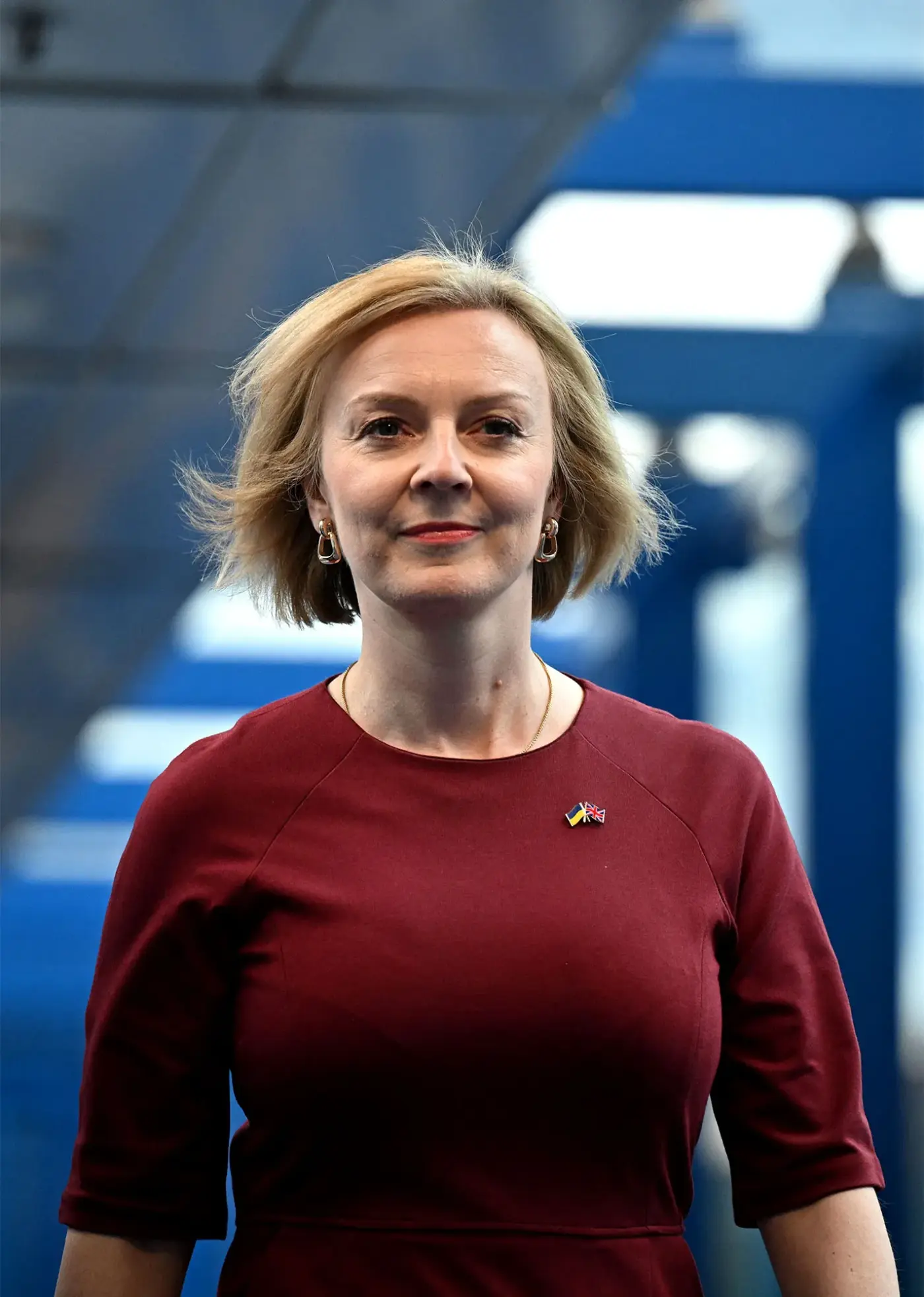
Liz Truss, the former Prime Minister of the United Kingdom, has been a significant figure in British politics, known for her rapid rise and equally swift fall from power. Understanding her journey provides insights into contemporary political dynamics in the UK, making this a relevant and significant topic for political enthusiasts and general readers alike.
Background and Rise to Power
Elizabeth Truss was born on July 26, 1975, in Oxford. She studied Philosophy, Politics, and Economics at Merton College, Oxford. Following a successful early career in the oil and gas industry, Truss entered politics, serving as the Member of Parliament for South West Norfolk since 2010. Her political ascent accelerated when she held various cabinet positions, including Secretary of State for International Trade and Minister for Women and Equalities.
In September 2022, she succeeded Boris Johnson as the leader of the Conservative Party, becoming the UK’s third female prime minister. Her leadership promised a new direction, focusing on economic growth through tax cuts and deregulation.
Challenges During Tenure
However, Truss’s time as Prime Minister was fraught with significant challenges. The economic policies she implemented, particularly the unfunded tax cuts, triggered financial turmoil, leading to a significant depreciation of the pound and rising government borrowing costs. The rapid changes caused upheaval within financial markets and intense scrutiny from both the public and politicians alike.
In addition to economic challenges, Truss faced discontent within her party, leading to a loss of confidence among lawmakers. This culminated in a political crisis that forced her resignation after just 49 days in office, making her the shortest-serving Prime Minister in British history.
Conclusion
The story of Liz Truss serves as a reminder of the volatility present in politics today. It highlights how swiftly fortunes can change in political careers and the delicate balance required in governance. As the UK navigates its post-Truss landscape, the lessons learned from her tenure may influence future political strategies and leadership within the Conservative Party and beyond. Given the current climate, the political future remains uncertain, making it essential for voters and political analysts to reflect on the implications of her brief, yet impactful, time in office.