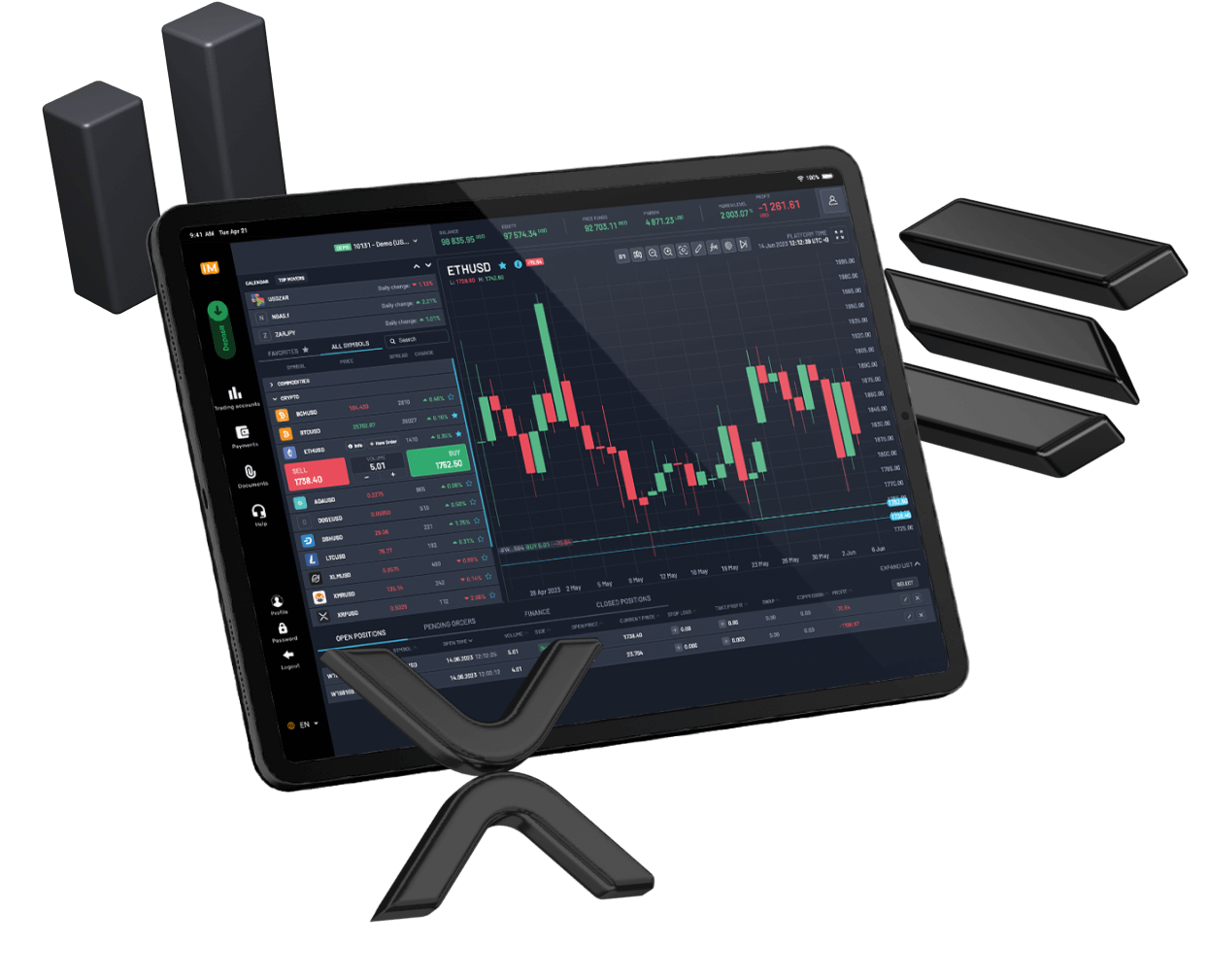
Introduction to Cryptocurrency Trading
Cryptocurrency trading has rapidly become a significant part of the modern financial landscape, attracting both seasoned investors and novices alike. With the growing popularity of digital currencies such as Bitcoin, Ethereum, and countless altcoins, understanding cryptocurrency trading has never been more relevant. This evolution reflects broader financial trends and opens up avenues for diverse investment strategies, particularly amidst fluctuating global economic conditions.
Current Trends in Cryptocurrency Trading
As of late 2023, several key trends are emerging in the cryptocurrency trading market. Firstly, the rise of decentralized finance (DeFi) platforms is enabling users to trade cryptocurrencies without intermediaries, hence reducing costs and increasing transaction speeds. DeFi has seen a surge in popularity, with trading volumes reaching over $10 billion daily, according to data from DeFi Pulse.
Additionally, the integration of cryptocurrencies into mainstream financial services is becoming more prevalent. Major banks and financial institutions, such as JPMorgan and Goldman Sachs, are now providing cryptocurrency trading services, signalling a shift towards broader acceptance of these digital assets.
Moreover, the rise of non-fungible tokens (NFTs) is also causing a significant impact on cryptocurrency trading by providing unique tradeable assets that can enhance portfolios. In 2021, the NFT market exploded, leading to a projected market cap exceeding $35 billion by late 2023, further solidifying the influence of blockchain technology in various sectors.
Challenges in Cryptocurrency Trading
Despite its potential, cryptocurrency trading comes with notable challenges. Regulatory uncertainties remain a significant concern for traders, as governments worldwide grapple with how to regulate this emerging market. In recent months, regulatory bodies, including the Financial Conduct Authority (FCA) in the UK, have begun to introduce clearer guidelines, aiming to protect investors while encouraging innovation.
Furthermore, the volatility of cryptocurrencies can pose risks to traders. With price fluctuations sometimes exceeding 10% within a single day, many novice traders face the danger of significant losses without proper risk management strategies.
Conclusion
In conclusion, cryptocurrency trading is evolving as an impactful component of the global financial market. The trends towards decentralised trading platforms and the adoption of digital currencies by major institutions highlight the growing interest in cryptocurrencies. However, the associated challenges, including regulatory issues and volatility, require careful navigation by traders. Looking forward, as the market matures, enhanced regulation and technological advancements will likely play pivotal roles in shaping the future of cryptocurrency trading, making it essential for both new and seasoned investors to stay informed.