Introduction
Oatly oat milk has emerged as a leading dairy alternative in the global market, gaining significant attention for its sustainability and health benefits. With a growing emphasis on plant-based diets and eco-friendly practices, consumers are increasingly looking for alternatives to traditional dairy products. Oatly has positioned itself as a pioneer in this space, capturing the interest of health-conscious individuals and environmentally aware consumers alike.
What is Oatly Oat Milk?
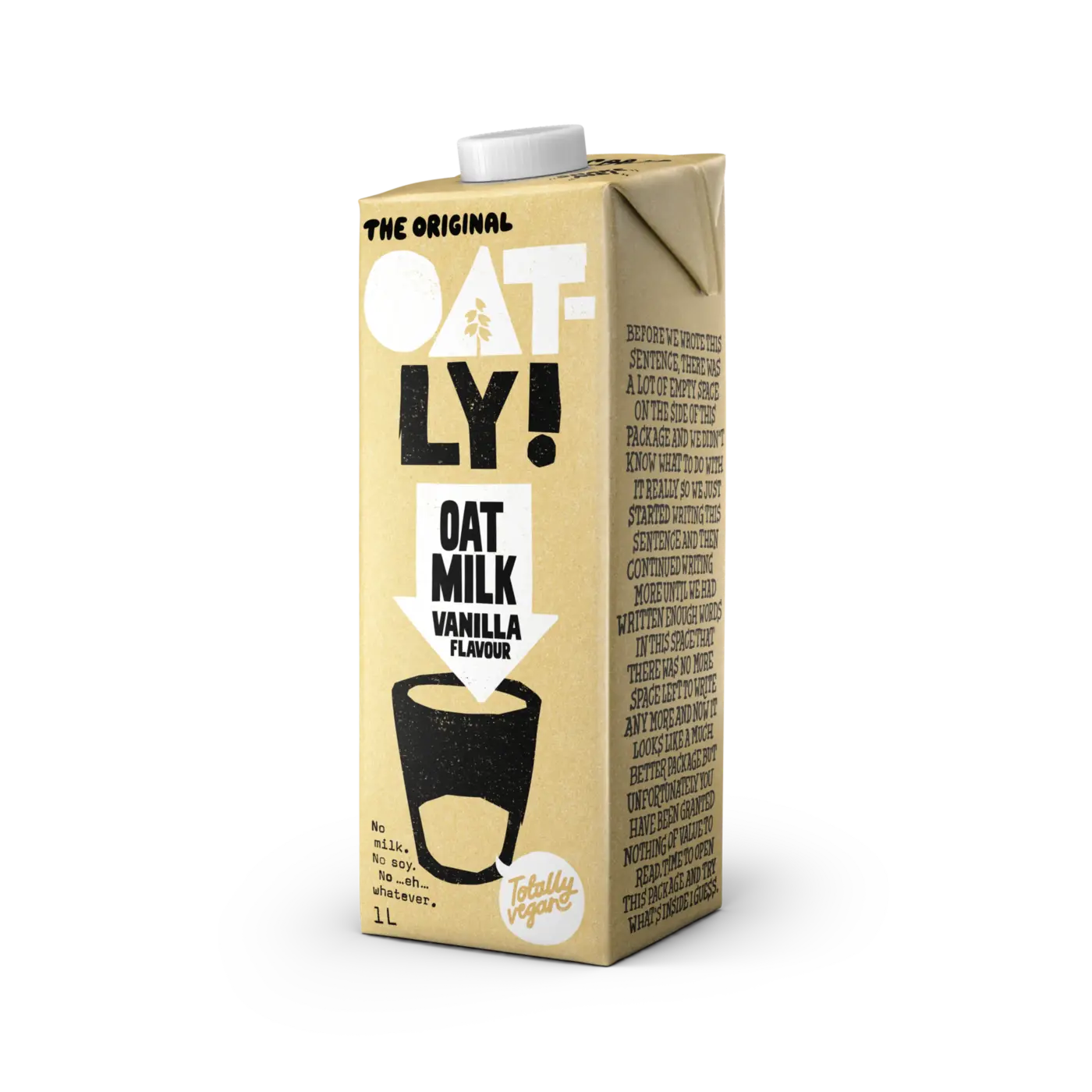
Oatly oat milk is a plant-based beverage made primarily from oats and water. It was founded in Sweden in the 1990s and has since expanded globally, with products available in several countries, including the UK, the US, and various European markets. Oatly’s production process emphasises sustainability, using oats, which require less water and land than traditional dairy farming. The brand markets its products as a healthier alternative, free from lactose, nuts, and soy, making it suitable for a wide range of dietary needs.
Market Growth and Popularity
According to recent data, the global plant-based milk market is projected to reach £21 billion by 2024, with oat milk showing one of the fastest growth rates amongst dairy alternatives. Oatly’s innovative marketing campaigns, including collaborations with popular coffee shops and restaurants, have significantly boosted its presence in the market. As of 2023, Oatly has successfully established partnerships with brands like Starbucks and Peet’s Coffee, reinforcing its image as a preferred choice for coffee drinkers.
Health Benefits and Environmental Impact
Health-wise, oat milk is often praised for being rich in beta-glucans, a type of soluble fibre that can help lower cholesterol levels. Additionally, Oatly oat milk contains added vitamins and minerals such as calcium and vitamin D, making it a nutritious option for those seeking alternatives to cow’s milk. From an environmental perspective, oat cultivation has a lower carbon footprint compared to dairy farming and contributes less to greenhouse gas emissions.
Challenges Ahead
Despite its success, Oatly faces challenges as competition within the plant-based sector continues to grow. With various brands entering the market, Oatly must continue innovating while maintaining its commitment to sustainability. Recent concerns regarding the sustainability claims and ingredient sourcing have also prompted the brand to address consumer questions and maintain transparency.
Conclusion
Oatly oat milk represents the shift towards healthier, environmentally friendly alternatives to traditional dairy products. As oat milk gains traction worldwide, Oatly’s efforts to combine taste, nutrition, and sustainability will be critical in maintaining its leadership position. Consumers can expect continued growth in the dairy alternative market, making Oatly and similar brands pivotal players in the future of food.