Introduction
Cryptocurrency trading has gained significant attention in recent years, marking a transformative era in the financial landscape. With millions of investors participating worldwide, understanding the dynamics of cryptocurrency trading is vital for both seasoned and novice traders. As digital currencies gain mainstream acceptance, their trading mechanisms continue to evolve, influencing the future of finance.
The Current Landscape of Cryptocurrency Trading
As of October 2023, the total market capitalization of cryptocurrencies is estimated to be over $1.5 trillion, with Bitcoin and Ethereum leading as the most traded assets. Regulatory developments have played a crucial role in shaping the cryptocurrency trading environment. Countries like the United Kingdom and the European Union are implementing clearer regulations to foster a safer trading environment while combating financial fraud and volatility.
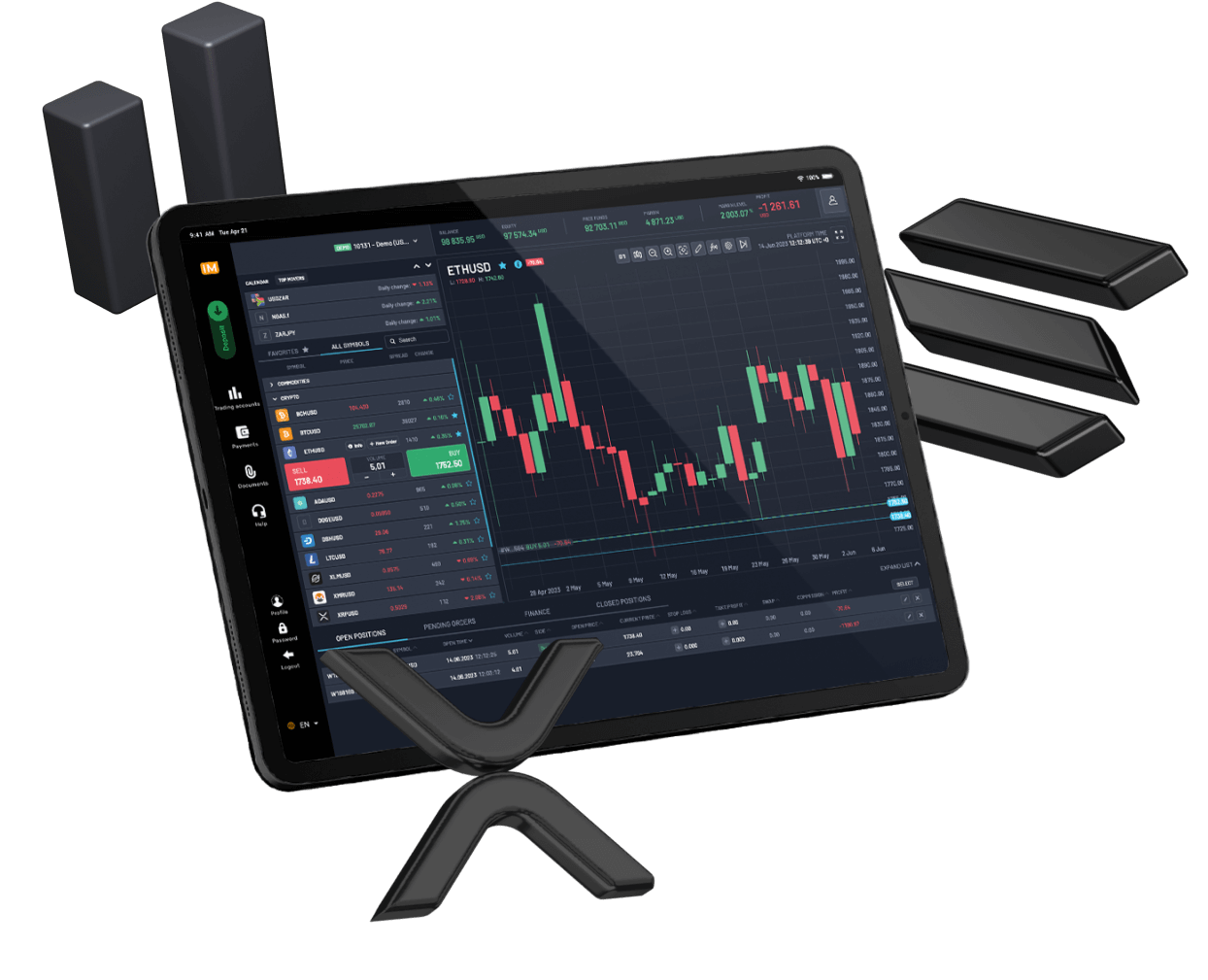
Moreover, the proliferation of cryptocurrency exchanges has made trading more accessible. Platforms such as Binance, Coinbase, and Kraken have surged in popularity, offering user-friendly interfaces that cater to both beginners and advanced traders. This accessibility has contributed to an increase in trading volume, with daily trades often surpassing $100 billion.
Key Factors Influencing Cryptocurrency Trading
The volatility of cryptocurrencies has attracted traders looking to capitalise on rapid price fluctuations. Factors such as market sentiment, technological advancements, and geopolitical events significantly impact trading strategies. The rise of Decentralised Finance (DeFi) and Non-F fungible Tokens (NFTs) has also opened new avenues for trading, further diversifying market opportunities.
Additionally, the integration of Artificial Intelligence (AI) in trading strategies allows traders to analyse market data more effectively, making informed decisions in real time. Machine learning algorithms can predict market trends based on historical data, providing traders with a competitive edge.
Conclusion
As we continue into 2024, the landscape of cryptocurrency trading is set to become even more sophisticated, with developments in regulations, technology, and trading platforms. While the potential for profit remains high, so does the risk associated with trading in such a volatile market. For investors, understanding the fundamentals of cryptocurrency trading, including risk management and market analysis, is crucial for navigating this evolving sphere. The growth of cryptocurrency trading hints at its enduring role in the future of finance, shaping how we invest, trade, and manage our assets.