Introduction
Vitamin D, often referred to as the ‘sunshine vitamin’, plays a vital role in maintaining health and wellness. This fat-soluble vitamin is essential for the absorption of calcium and phosphorus, contributing significantly to bone health and immune function. With recent studies highlighting the impacts of vitamin D deficiency, understanding its importance has become even more relevant, especially in light of the ongoing discussions about overall public health.
The Role of Vitamin D
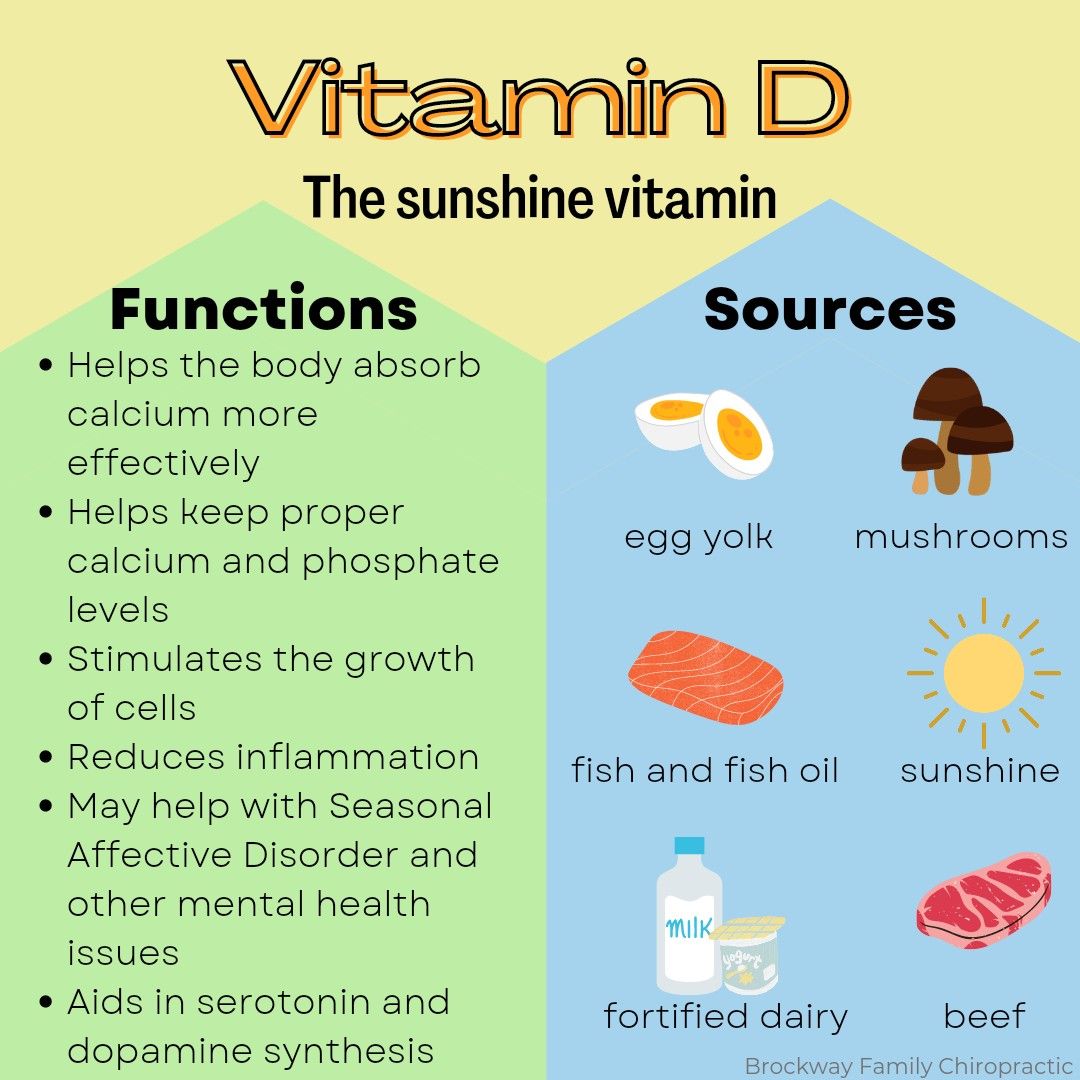
Vitamin D is crucial for various bodily functions. It helps regulate the amount of calcium and phosphate in the body, which are necessary for healthy bones, teeth, and muscles. Additionally, it is linked to better immune health, reducing the risk of chronic diseases such as cardiovascular illness and certain cancers. According to the NHS, a deficiency in vitamin D can lead to complications such as rickets in children and osteomalacia in adults, both of which contribute to weakened bones.
Sources of Vitamin D
The primary source of vitamin D is sunlight – when the skin is exposed to sunlight, it synthesises vitamin D naturally. However, during the colder months or in regions with less sunlight, it can be challenging to obtain adequate levels. Dietary sources include fatty fish, egg yolks, and fortified foods like cereals and dairy products. Supplements are also available and are often recommended for individuals at risk of deficiency.
Recent Research Findings
Recent studies conducted during the COVID-19 pandemic have drawn attention to the potential role of vitamin D in respiratory health. Research published in scientific journals has suggested a correlation between sufficient vitamin D levels and a reduced risk of severe respiratory illnesses. However, experts caution that while supplements may assist in maintaining health, they are not a substitute for vaccinations or other health measures.
Conclusion
The significance of vitamin D cannot be overstated, as it is integral to various physiological processes that affect overall health. Ensuring adequate vitamin D levels through safe sun exposure, a balanced diet, or supplementation when necessary is crucial, particularly as new health challenges emerge. As public awareness grows, regular check-ups to monitor vitamin D levels may become standard practice for optimal health management in the future.