Introduction
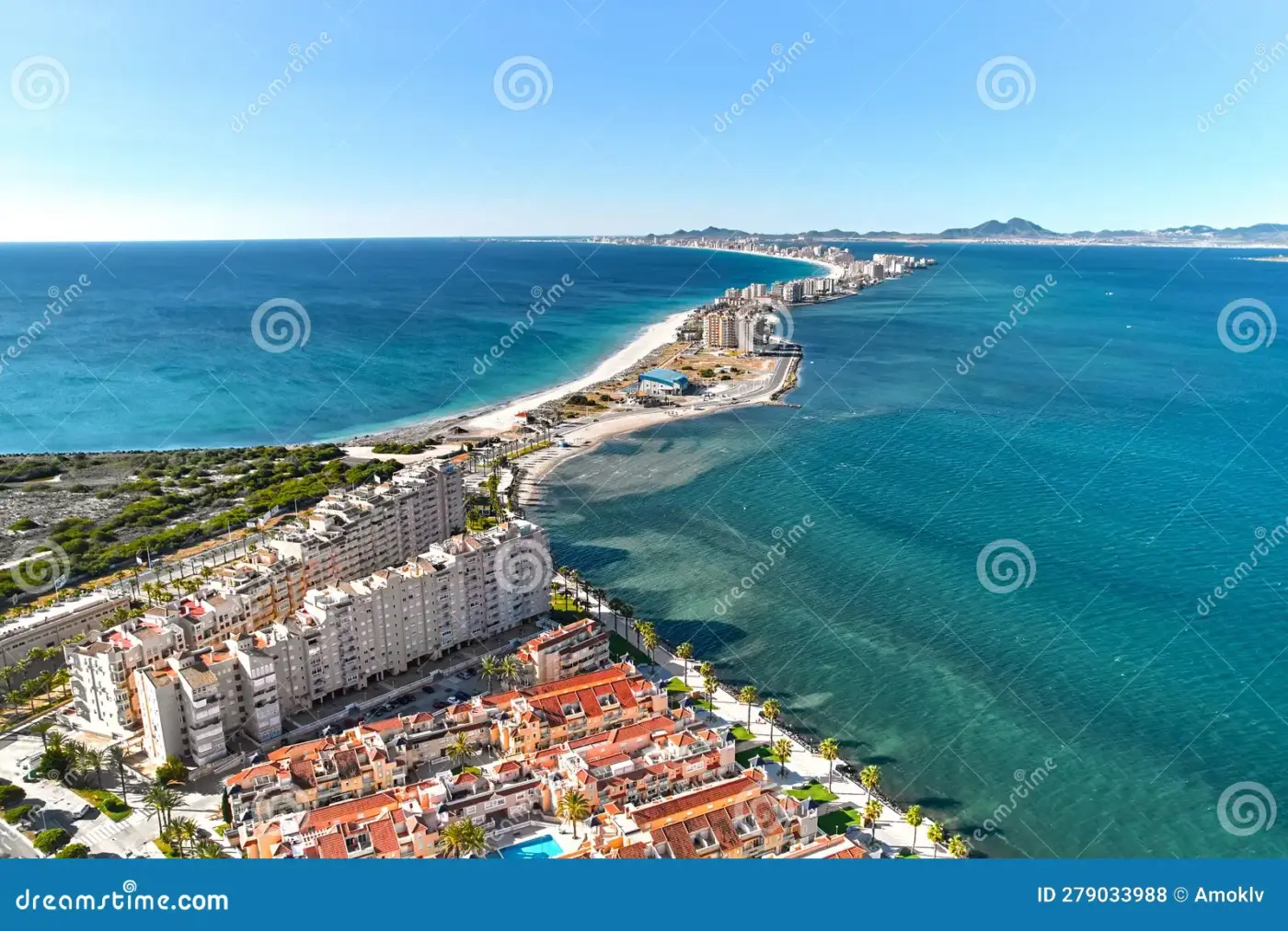
The Mar Menor, a large salty lagoon located in the Murcia region of southeastern Spain, has recently gained attention due to its ecological significance and pressing environmental challenges. Spanning an area of 170 square kilometres, this inland sea is separated from the Mediterranean by a narrow strip of land, known as La Manga. The Mar Menor is not only a key habitat for various marine species but also a popular destination for tourists, renowned for its warm waters and shallow depths.
Significance and Current Issues
However, the lagoon has been facing serious environmental issues in recent years. Increased pollution from agricultural runoff, urbanization, and tourism has significantly affected its water quality, leading to alarming levels of algal blooms. These blooms not only deteriorate the ecosystem but also threaten local economies that rely on fishing and tourism.
As communities and organisations strive to address these threats, the Spanish government has announced several initiatives aimed at protecting and restoring the Mar Menor. The European Union has also stepped in, providing funding for projects designed to improve water quality and promote sustainable practices in agriculture that could prevent further degradation.
Community and Environmental Efforts
Local residents, along with environmental non-profits, have launched campaigns to raise awareness about the lagoon’s condition. Workshops, festivals, and educational programs emphasise the importance of conservation and sustainable tourism practices. Such community involvement is vital, as the health of the Mar Menor directly impacts the livelihoods of many local families.
Conclusion
The Mar Menor stands as a reminder of the delicate balance between natural beauty and human activity. With ongoing efforts from various stakeholders to restore its health, there is hope for the lagoon’s future. It is crucial for both visitors and locals to engage in sustainable practices to ensure that this unique ecosystem can be enjoyed by generations to come. As countries worldwide grapple with climate change and environmental degradation, the situation of the Mar Menor serves as a significant case study for conservation efforts.