Introduction
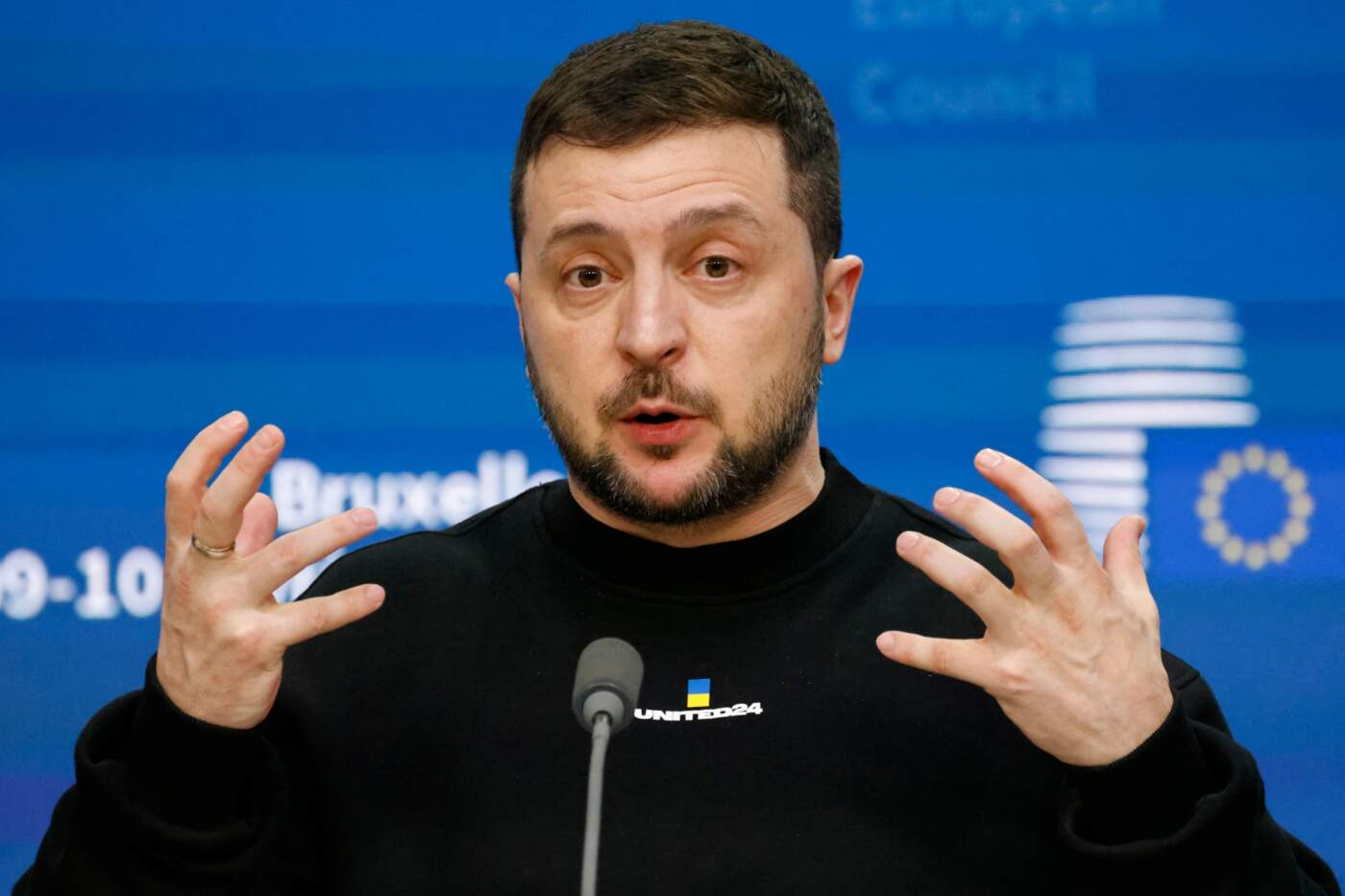
Volodymyr Zelensky, the President of Ukraine, has emerged as a pivotal figure in global politics since the onset of the Russian invasion of Ukraine in February 2022. His leadership and communication skills have greatly influenced public perception at home and abroad, making his role crucial in the ongoing conflict. Understanding Zelensky’s journey provides insights into the resilience of Ukraine amidst adversity.
Background and Rise to Power
Before entering politics, Zelensky was a popular comedian and actor, known for his role in the television series “Servant of the People,” where he played a teacher who unexpectedly becomes president. This persona resonated with many Ukrainians, leading him to run for the presidency in 2019. Zelensky won a landslide victory, promising to combat corruption and reform the political system.
Leadership in Crisis
Since the Russian invasion, Zelensky has become a symbol of defiance and determination. His daily addresses and presence on social media have bolstered national morale and garnered international support. Notably, a video of him addressing the Ukrainian Parliament just hours after the invasion showcased his commitment to the nation and his role as a wartime leader. Zelensky’s ability to communicate effectively in English and other languages has also enabled him to engage directly with leaders worldwide, effectively rallying support for Ukraine.
International Relations and Support
Zelensky’s calls for military aid and sanctions against Russia have resulted in substantial assistance from Western countries. The United States and European Union have provided Ukraine with weapons, financial aid, and humanitarian support. Under his leadership, Ukraine has garnered unprecedented levels of support, including military supplies from various nations, further solidifying Zelensky’s position on the international stage.
Domestic Challenges
While Zelensky’s leadership has been widely praised, he faces domestic challenges, including a strained economy and the need to maintain unity among various political factions. His government continues to grapple with the impact of the war, including refugee crises and infrastructural damage, which have heightened public expectations and scrutiny of his administration.
Conclusion
Zelensky’s leadership in Ukraine during this turbulent period has not only shaped the country’s response to aggression but has also changed the global narrative regarding democracy and resilience in the face of tyranny. As the conflict evolves, his role will remain significant, influencing both national policy and international relations. Observers predict that his presidency may redefine Ukraine’s future and its standing in the world, depending on the outcomes of the ongoing conflict and his ability to sustain support both domestically and abroad.