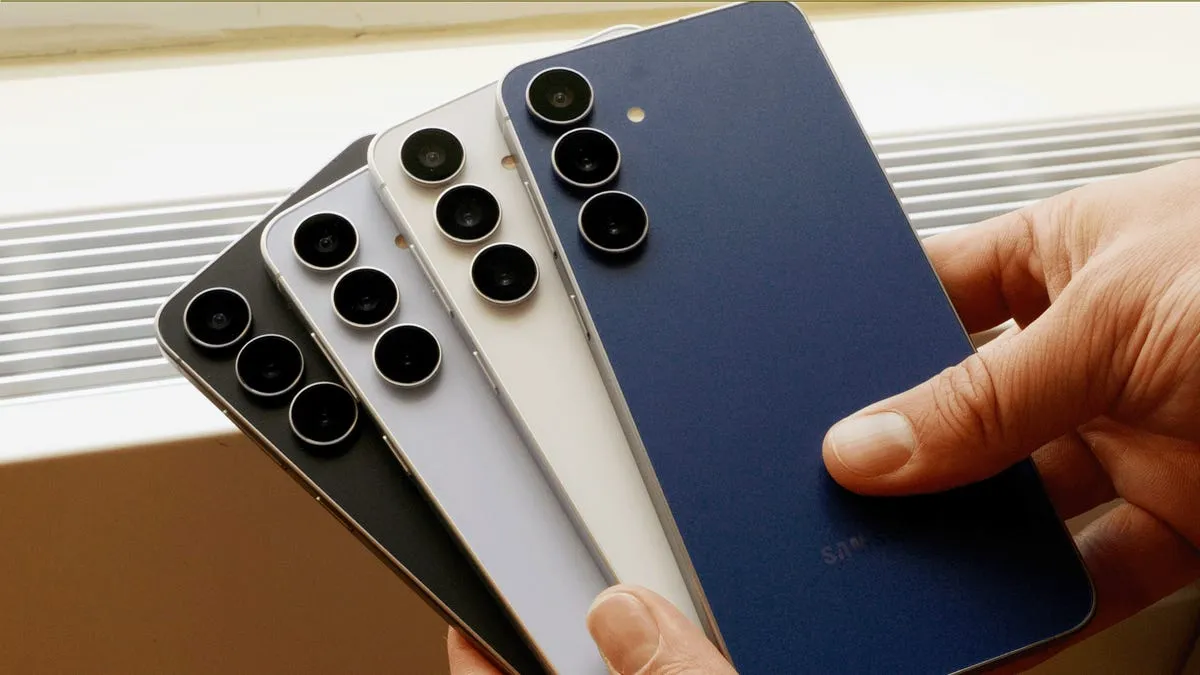
The landscape of user privacy has been a hot topic in recent years, especially as technology continues to evolve at a rapid pace. A significant development in this ongoing conversation has emerged with Google reaching a preliminary settlement of $135 million in a class action lawsuit known as Taylor v. Google LLC. This lawsuit alleges that Google collected unnecessary data from Android users over cellular networks without their permission, raising serious concerns about user consent and data privacy.
According to the terms of the settlement, approximately 100 million Android phone users in the United States may be eligible for compensation. The lawsuit claims that Android devices transmitted user data without consent, even when the phones were in a completely idle state. Google has denied any wrongdoing but agreed to the payout along with a commitment to implement additional disclosures shown during the setup of Android devices.
Eligible users must have used an Android device with a cellular data plan from November 12, 2017, until the date of final approval, which is scheduled for June 23, 2023. Those who qualify could receive up to $100 each, although payments are capped at this amount. Users who do not actively participate in the settlement process will still receive a payment, but they must select a payment method on the official settlement website to ensure receipt.
As part of the settlement, Google will also update its Google Play terms of service, reflecting a commitment to improved transparency regarding user data. This move has been welcomed by privacy advocates who have long called for better practices in data handling by major tech companies.
For those uncertain about their eligibility, the settlement administrator has provided a helpline at 1-844-655-4255, where users can inquire about their status. The settlement aims to ensure that each eligible member receives an equal amount after costs are deducted. If funds remain after payments, they will be redistributed or donated to an approved organization, further emphasizing the community-focused approach of this settlement.
Residents of California involved in a similar lawsuit, however, are ineligible for this settlement, which has raised questions about the varying legal landscapes across states. Observers note that this case could set a precedent for how tech companies handle user data and privacy in the future.
As the final approval hearing approaches, many are watching closely to see how this settlement will unfold and what implications it may have for user privacy moving forward. The outcome could influence not only how Google operates but also how other tech companies approach data privacy and user consent in an increasingly digital world.