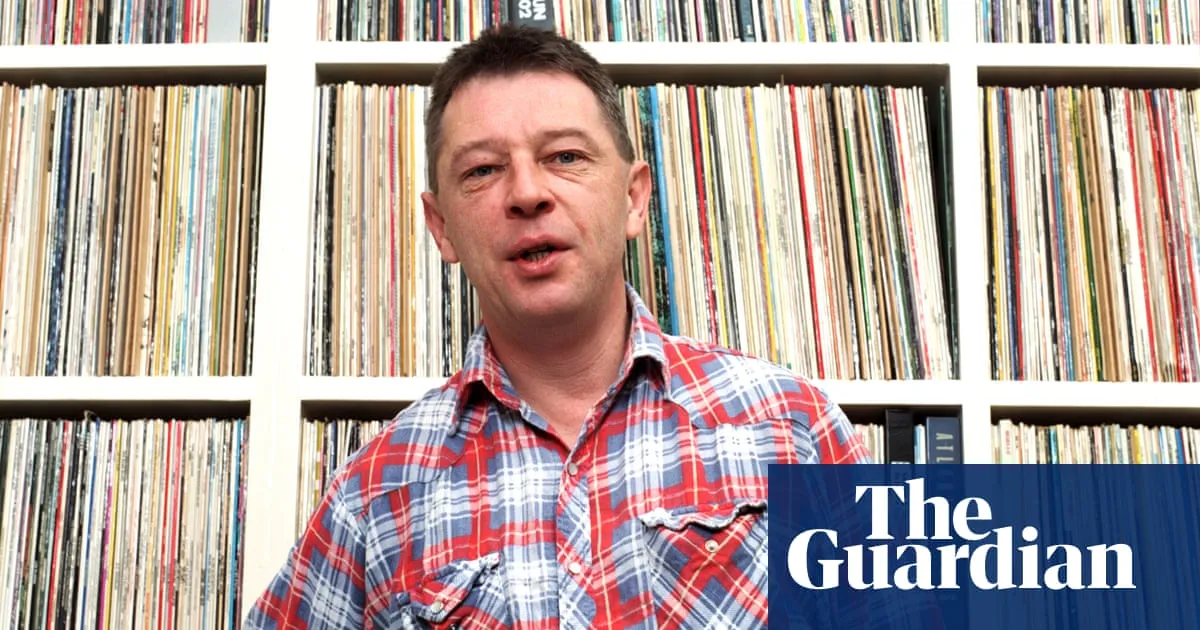
Andy Kershaw’s voice was a familiar one in British broadcasting. He began his national career in television back in 1984, quickly becoming a prominent figure. Best known for his fifteen-year stint on BBC Radio 1, he captivated audiences with his passion for music from around the world. His eclectic taste often led him to discover sounds from Africa that many had never heard before.
Kershaw co-presented the iconic TV coverage of Live Aid in 1985, a moment that solidified his place in broadcasting history. Born in Rochdale in 1959, he started his journey at Radio Aire in Leeds as a promotions manager. Over the years, he became a respected voice in media, even publishing an autobiography titled No Off Switch in 2012.
However, Kershaw’s life was not without struggles. He faced personal challenges, including three jail terms for breaching a restraining order and a period of homelessness following the end of his marriage in 2008. But through it all, he remained fiercely dedicated to his craft and maintained a deep curiosity about the world around him.
In August 2025, Kershaw was diagnosed with spinal cancer. Despite this daunting news, he continued to express his thoughts candidly—once humorously stating, “I am determined not to die before Benjamin Netanyahu, Vladimir Putin, Donald Trump and Ant ’n’ Dec. That should keep me going for a while.” His wit and determination were evident until the end.
On April 17, 2026, Kershaw passed away at the age of 66 after undergoing treatment for cancer. His sister Liz Kershaw also worked at BBC Radio 1 and shared her grief publicly. “He had an insatiable curiosity that drove him to explore music and stories that others overlooked,” she said. This sentiment echoes what many fans felt about his unique approach to broadcasting.
Listeners remember him not just for his vibrant personality but also for his ability to bring lesser-known artists into the spotlight. As he once remarked about his early days at Radio 1: “I think initially Radio 1 wanted another [John] Peel… but I got quickly bored of those awful, insipid demo tapes I was receiving from Liverpudlian indie acts.” This drive led him to seek out extraordinary sounds from Malawi, South Africa, and beyond.
As tributes pour in from fans and colleagues alike, it’s clear that Andy Kershaw’s legacy will endure. Observers note that his influence on music broadcasting shaped how we appreciate global sounds today. The industry has lost not just a broadcaster but a passionate advocate for diverse music.
What’s next? While details remain unconfirmed about memorial services or tributes planned by BBC Radio 1 or other organizations influenced by Kershaw’s work, one thing is certain: he will be deeply missed by those who cherished both his voice and vision.