Aston Martin’s significant upgrade
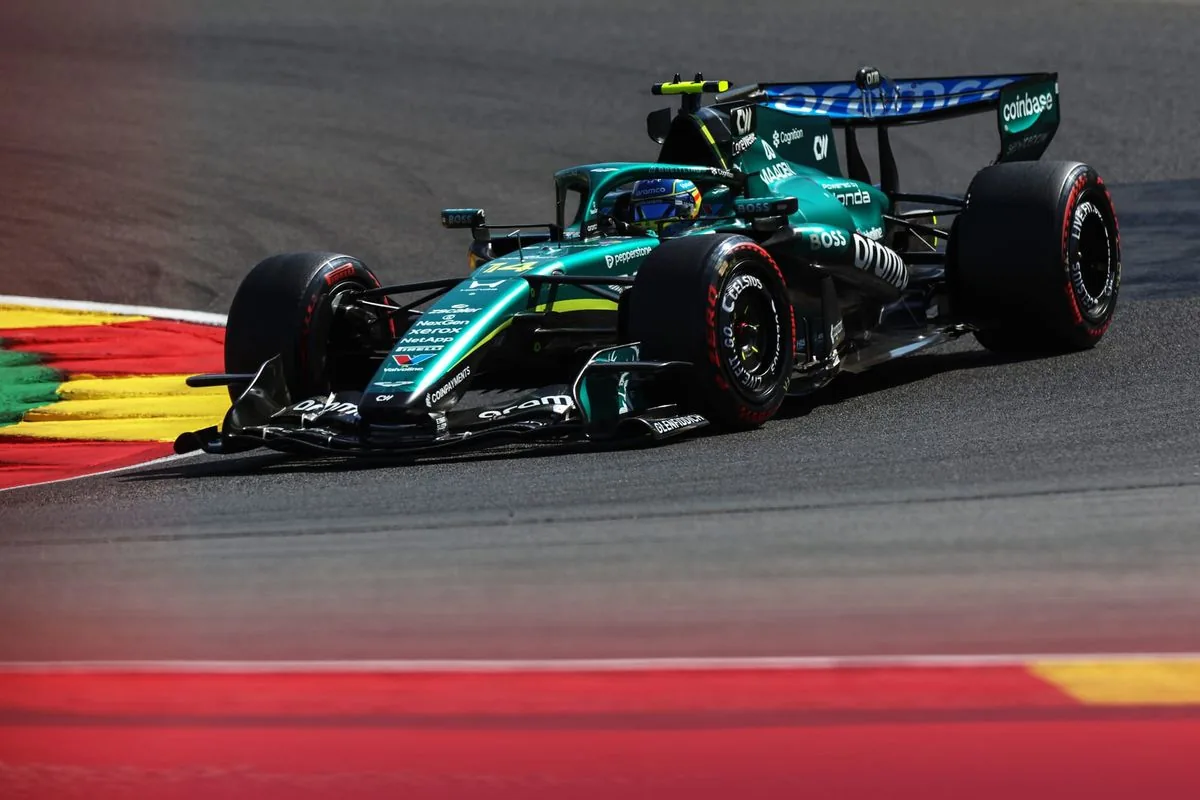
Aston Martin is set to introduce a substantial upgrade package at the Hungarian Grand Prix, featuring a heavily revised car with reduced weight, a new chassis, and significant aerodynamic changes. This marks the team’s first major upgrade of the year, following a season start where their car and engine were reportedly well below optimal performance. The team has opted to implement these new parts all at once, rather than through smaller, incremental updates over several races. This decision was made to efficiently utilise their budget within the sport’s spending cap. Despite this, the team has progressively fallen further behind the field in recent races.
Fernando Alonso expressed optimism about the upgrade but urged caution against high expectations. He noted that the Hungaroring circuit is generally favourable for the team, as power is not the primary factor there. Alonso emphasised his focus on understanding the car’s new direction and whether it can unlock performance. The Honda engine, a new partner for Aston Martin this season, is not part of this weekend’s upgrade, with a development engine planned for the Dutch Grand Prix after the summer break.
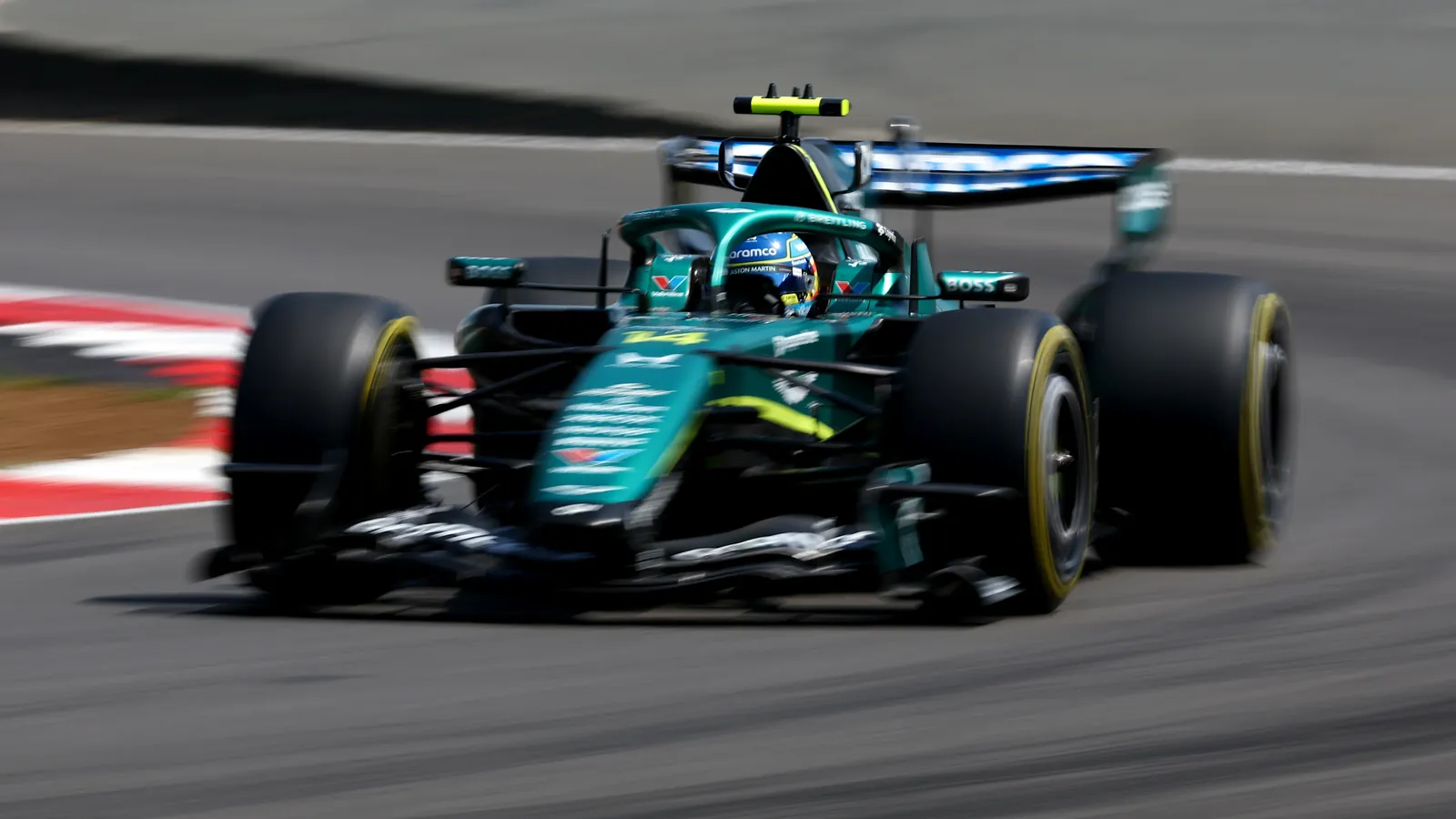
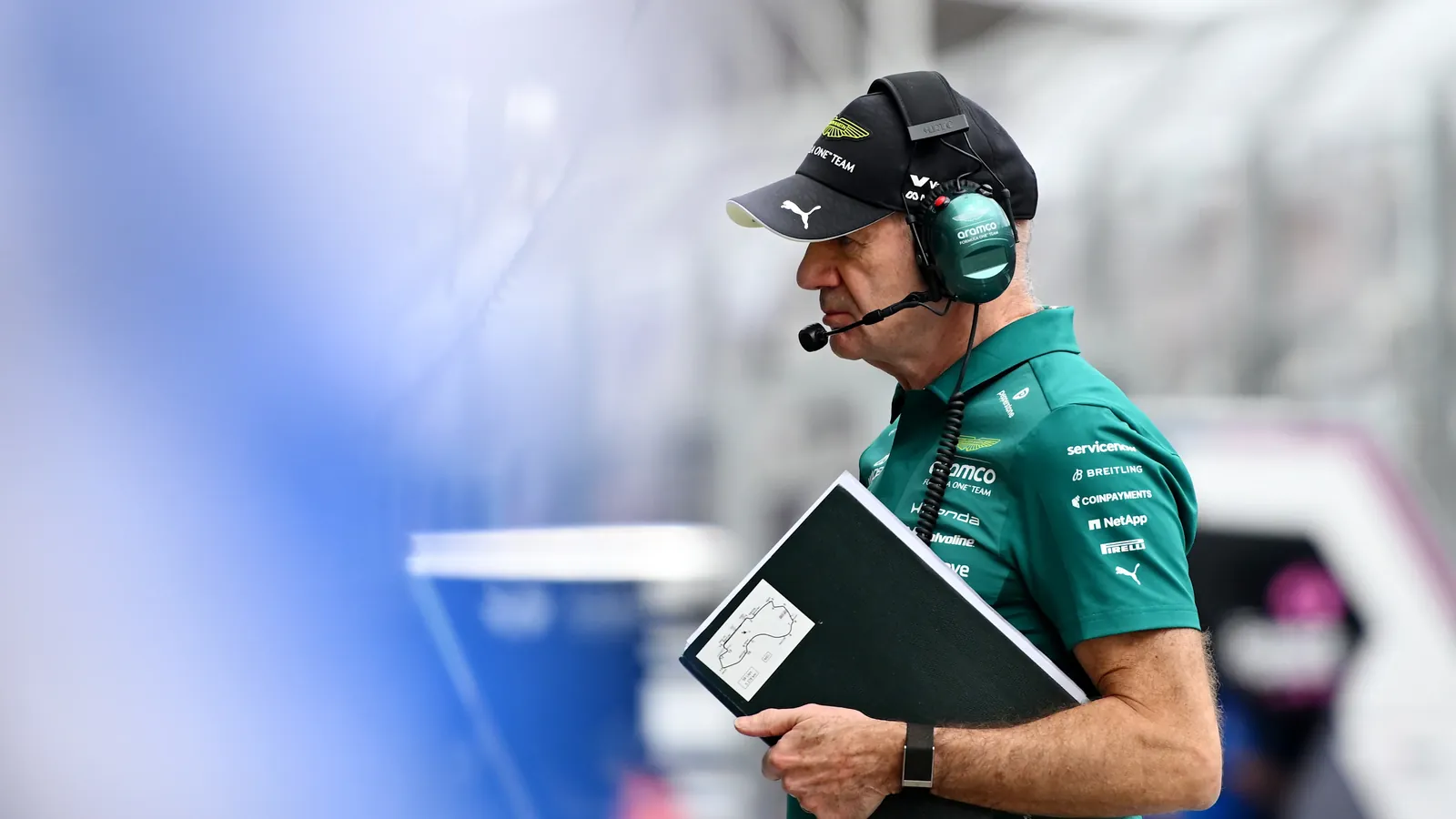
Adrian Newey, Aston Martin‘s chief technical officer, explained that the team realised early in the season they would not be competitive. They made the difficult decision to halt developments in the first half of the year, knowing this would widen the gap to the front. This approach allowed them to reorganise, implement new systems, and conduct thorough research for future car designs. The upgrade package for Hungary is considered the first stage of this new strategy, with a second stage planned for Zandvoort.
Performance challenges and driver outlook
The AMR26, unveiled at the Barcelona Shakedown, initially generated excitement, with Mercedes driver George Russell describing it as “pretty spectacular.” However, its appearance did not translate to on-track performance. Both the chassis and the Honda power unit reportedly fell short of expectations. At the season opener in Australia, the team was at the back of the grid in qualifying, and chronic vibrations limited the laps completed by Fernando Alonso and Lance Stroll on race day.
This performance deficit continued through the early rounds. At Spa-Francorchamps, a track that highlights chassis and engine performance, Alonso and Stroll were significantly off the pace, reportedly two seconds adrift of the pack and over four seconds behind the Q1 benchmark. Newey acknowledged the season has been “extremely challenging” on both the chassis and power unit sides, admitting the team started serious work on the 2026 car several months behind rivals, creating a substantial gap to close.
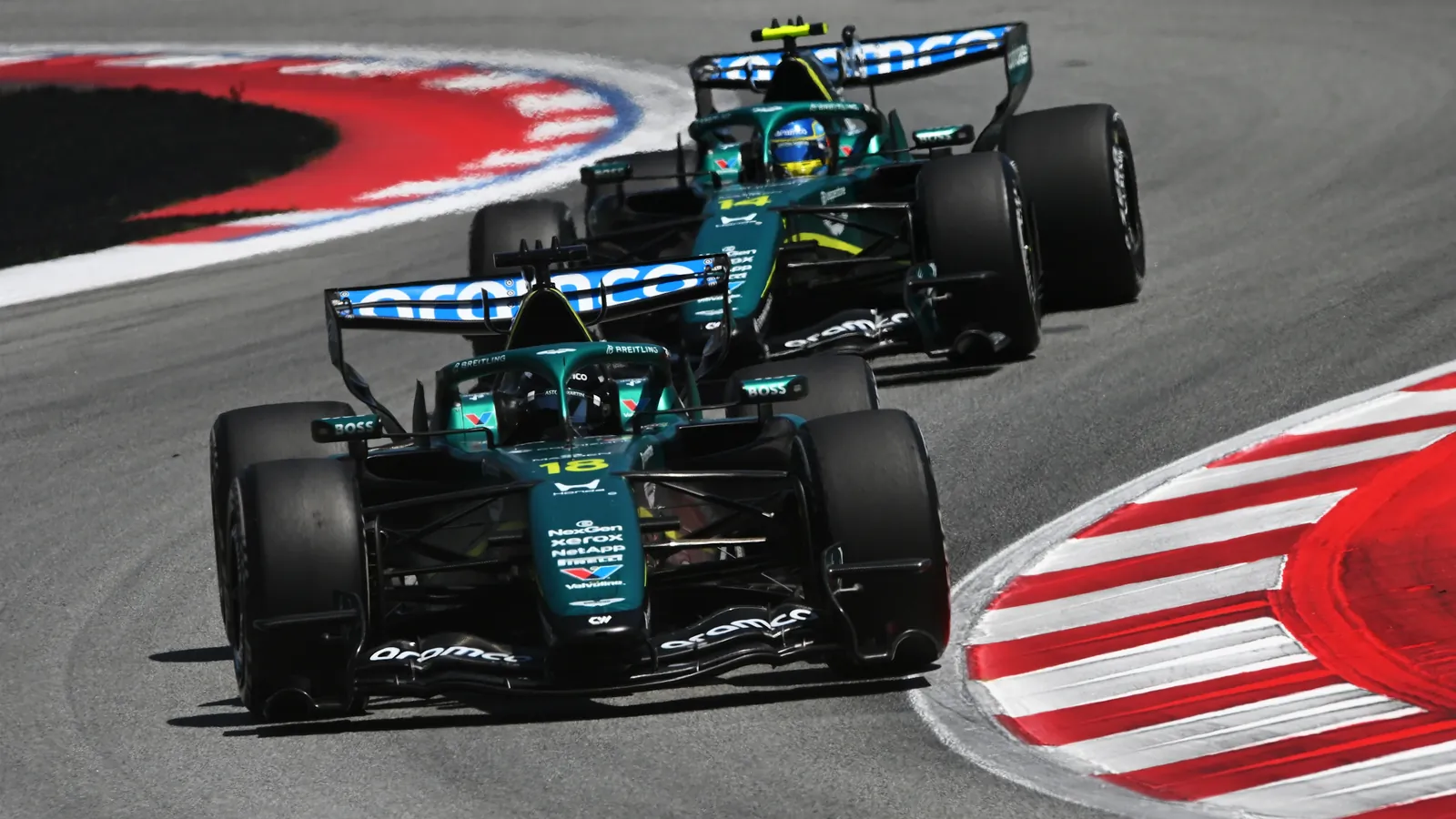
Alonso, who will be 45 on 29 July, is weighing his future in Formula 1 as his contract concludes at the end of the season. He reiterated his long-term commitment to Aston Martin, stating he has a contract and is not moving. However, his decision on whether to continue racing will not solely depend on the upgrade’s performance. He is also considering whether the high energy management demands of the current F1 engines provide him with sufficient enjoyment and adrenaline, an issue exacerbated on high-speed circuits like Spa and Silverstone.
Alonso expressed confidence that the team will resolve its issues, believing Adrian Newey will eventually deliver a top-tier car. He also trusts that Honda will address the power unit’s problems over time. Mike Krack, Aston Martin‘s Chief Trackside Officer, stated the primary goal for the upgrades is to enable the team to compete effectively again, as recent events have made it difficult to keep pace with the midfield. The team aims to get very close to the weight limit with the new package.
Lance Stroll also voiced frustration with the car’s current performance, noting a lack of strengths. He reportedly demonstrated the car’s poor handling at Silverstone by deliberately pushing it to its limits. The team’s performance in 2026 has been compared to some of the slowest F1 cars since 2010. Stroll identified several weaknesses in the current package, including high-speed aero stalls, understeer, medium- and low-speed corner entry instability, poor driveability, lack of power, balance issues, and insufficient downforce. The Hungarian Grand Prix will provide the first opportunity to assess the impact of these significant changes.
Read Also
Source: bbc.co.uk