Introduction
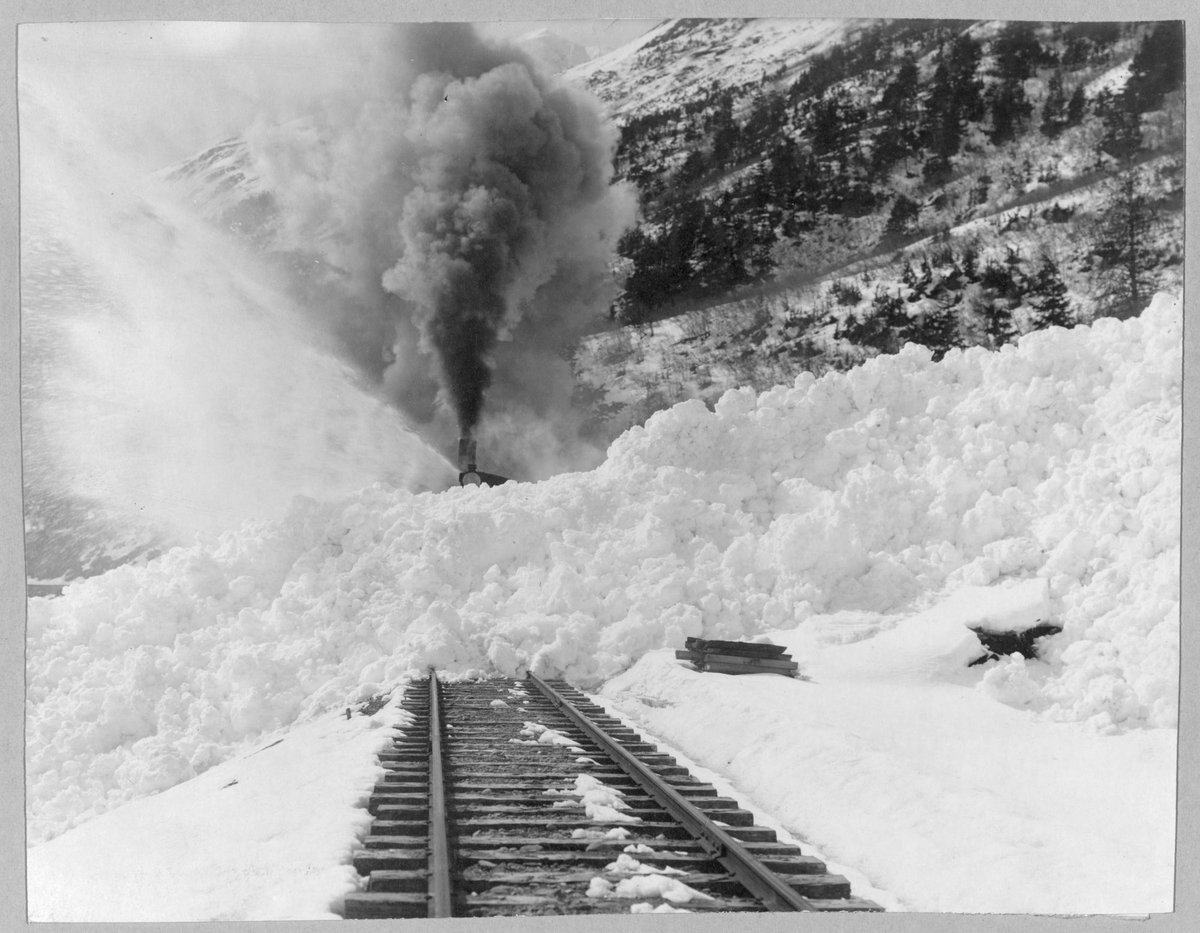
On March 12, 2023, a significant avalanche struck the Swiss Alps, disrupting train services across several routes. Switzerland’s renowned rail system, known for its efficiency and reliability, faced unprecedented challenges as snow and debris buried tracks and affected timetables. This incident raises critical questions about avalanche safety and the resilience of rail infrastructure in mountainous regions.
Details of the Incident
Reports indicate that the avalanche occurred near the town of Zermatt, a popular tourist destination nestled at the foot of the Matterhorn. The avalanche fell late at night, catching local authorities and transport services off-guard. Efforts to clear the debris began early the next morning, but delays in reopening the affected train routes resulted in cancellations and extended wait times for passengers.
Swiss Federal Railways (SBB) confirmed that several trains, including those heading to popular winter skiing areas, were diverted or halted as safety assessments were conducted. The avalanche also raised concerns about the ongoing risk of further snowfalls, with meteorological forecasts warning of additional weather disturbances in the region.
Broader Implications
This event is noteworthy not only for its immediate impact on travel but also for its implications regarding infrastructure resilience in the face of climate change. Experts suggest that increasing instability in weather patterns both in the Alps and globally necessitates a re-evaluation of transport safety measures. Swiss authorities are keenly aware that climate change may lead to an increase in both the frequency and severity of avalanches, prompting urgent discussions on improving monitoring systems and emergency response protocols.
Conclusion
In the aftermath of the avalanche, Swiss officials are prioritising improvements to ensure the safety and reliability of train services. The incident serves as a reminder of the challenges posed by natural disasters in mountainous regions and highlights the importance of investment in infrastructure resilience. As Switzerland continues to grapple with the impacts of climate change, ongoing assessments and updates to safety regulations will be paramount to protect both commuters and the tourism industry for years to come.