On April 26, 1986, a catastrophic explosion at the Chernobyl Nuclear Power Plant in Ukraine released a radioactive cloud that spread across Europe. This disaster, regarded as the worst civilian nuclear accident in history, forced the evacuation of around 115,000 people from nearby towns and villages. Residents fled their homes in Pripyat, leaving behind their lives and memories.
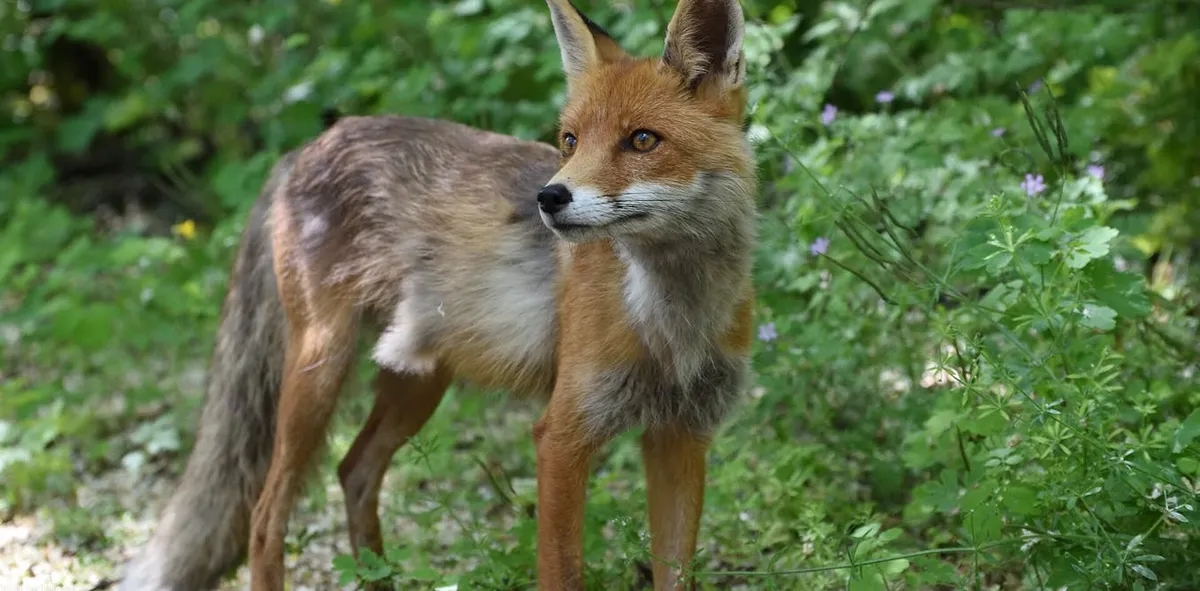
In the aftermath, a 2,600 square kilometer exclusion zone was established. Human activity was strictly prohibited in this area. Over time, nature began to reclaim the land. Surprisingly, the absence of human presence has sparked an ecological revival. Species such as wolves, foxes, elk, and wild boar now thrive within these borders.
By 1998, efforts were made to reintroduce Przewalski’s horses to the Chernobyl Exclusion Zone. These rare horses have since increased in number to over 150. Their return is not just a symbol of hope; it highlights how life can flourish even in places once deemed uninhabitable.
The greater spotted eagle—a globally endangered species—has also returned to nest in this unique environment. In fact, studies indicate that “the lack of human hunting, agriculture and development has a more positive impact on animal numbers than radiation has a negative one.” This observation challenges our understanding of how ecosystems respond to human disruptions.
Interestingly, some species are adapting in unexpected ways. Tree frogs in the area have changed color due to radiation exposure. Meanwhile, researchers have found that Cladosporium sphaerospermum—a melanin-rich fungus—grows significantly faster in radioactive environments. Experiments suggest that under specific lab conditions, radiation may even facilitate its growth rather than harm it. As one researcher noted, “The main conclusion so far is not that the organism has solved radiation but that under the right lab conditions, radiation may help it grow faster instead of simply harming it.”
The Chernobyl Exclusion Zone has transformed into one of Europe’s largest nature reserves—a sanctuary for wildlife and an important site for ecological research. It provides scientists with valuable insights into how ecosystems recover when left undisturbed by humans. The zone’s wildlife populations have significantly increased since the disaster; however, some species still face challenges due to radiation exposure—experiencing reduced reproductive success and higher mutation rates.
Today marks 40 years since that fateful day in April 1986. While many lives were irrevocably changed by the disaster, the land itself tells a different story. Nature has adapted and thrived against all odds. In this way, Chernobyl serves as both a cautionary tale about nuclear energy and an inspiring example of resilience.