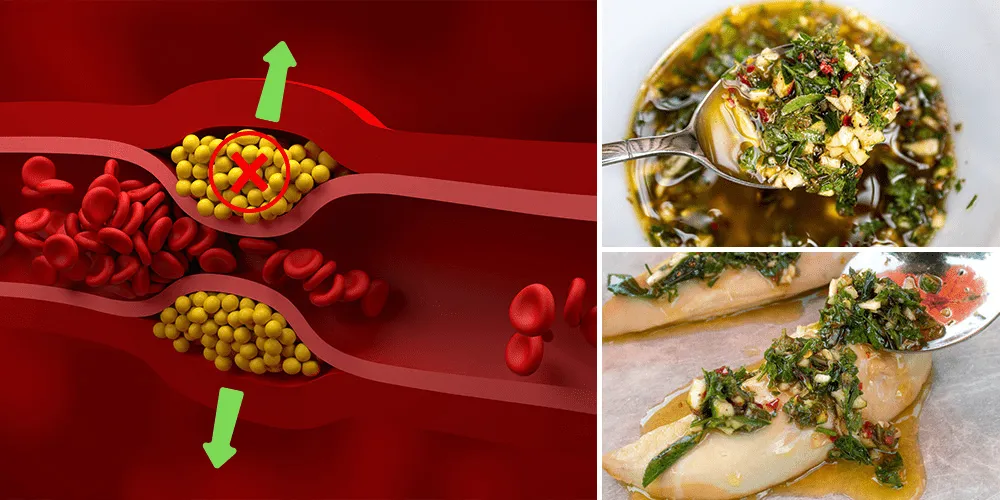
Pharmaceutical companies are betting on a lesser-known form of cholesterol, Lp(a), to develop potentially blockbuster heart drugs. Traditionally, we focused on LDL cholesterol as the primary culprit behind heart attacks. However, new research is shifting attention to Lp(a), which clogs arteries and promotes blood clots.
Discovered in 1963, Lp(a) has long lingered in the shadows of cardiology. Yet, it poses a significant risk: people with high levels of Lp(a) face more than double the chance of experiencing a heart attack compared to those without elevated levels. Alarmingly, an estimated one in five people worldwide has increased Lp(a).
Recent developments have sparked excitement among researchers and pharmaceutical giants alike. Novartis, Amgen, and Eli Lilly are now in late-stage trials to determine if drugs targeting Lp(a) can effectively reduce heart attack risks. Novartis’ drug pelacarsen aims to lower Lp(a) levels significantly—by more than 80%, according to trial results.
Dr. Steve Nissen, a prominent cardiologist, reflects on this shift: “We thought raising HDL would be beneficial and that didn’t work, so I think we have to keep an open mind.” His words resonate as the medical community grapples with this evolving understanding of cholesterol.
Yet, not all is clear. Less than 1% of adults were tested for Lp(a) in the U.S. in 2024. Many still view cholesterol testing through the lens of LDL and HDL levels alone. As Asad Haider notes, “That’s why this Novartis trial is going to be so important in how people think about the unlock” surrounding cardiovascular disease.
Lilly expects to share data from its Phase 3 trial of lepodisiran by 2029, but uncertainties remain about what specific levels of Lp(a) need lowering to prevent heart attacks effectively. The timeline for results from Novartis’ trial has also faced delays due to slower-than-expected heart attack occurrences.
The potential market for these new treatments could reach $5.6 billion in annual sales by 2032 if successful. Jay Bradner emphasizes the significance: “The clarity of the signal from population genetics and the encouraging signs from [earlier trials] render this a very smart bet.”
As these trials progress, many hope at least one new treatment will hit the mark. Dr. Nissen encapsulates this optimism: “We hope at least one of them ends up in the back of the net.” The future may hold new avenues for tackling cardiovascular disease—if these promising drugs prove effective against elevated levels of Lp(a).