What Happened
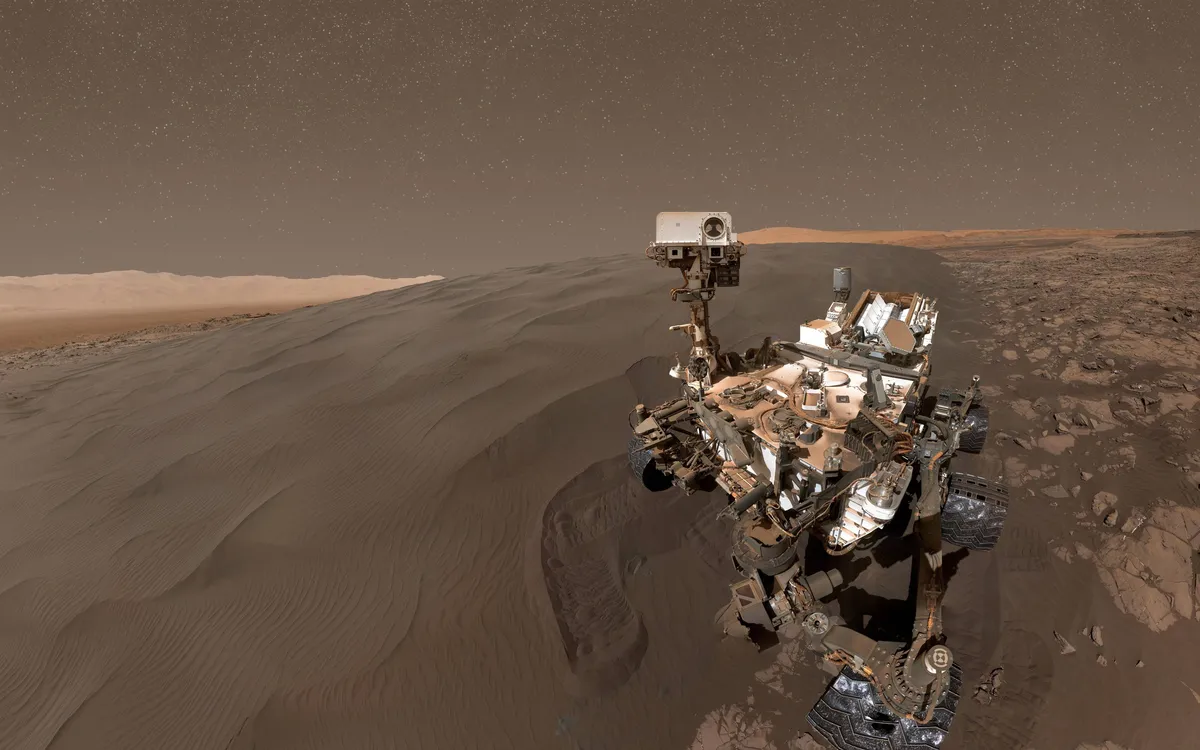
The Curiosity rover has successfully completed its focused survey of the geological formations known as “boxworks” on Mars. These structures, resembling giant spider webs from space, are located on the slopes of Mount Sharp and have puzzled scientists since their discovery from orbit. The rover’s exploration has provided the first close-up images of these formations, which stretch for miles and stand between three and six feet tall.
Why It Matters
Boxwork formations are significant as they serve as fossilized records of a time when liquid water was present on Mars, long after many believed the planet had become a frozen wasteland. The geological features indicate that groundwater once flowed through deep fractures in the Martian bedrock, depositing minerals that hardened into ridges. This discovery suggests that the groundwater table was relatively high, implying that conditions for sustaining life may have existed on Mars for a longer period than previously thought.
What’s Next
As the Curiosity rover continues its mission, scientists will analyze the data collected from the boxwork formations to gain further insights into Mars’ hydrological history. Understanding these geological structures could provide crucial information about the planet’s past climate and its potential to support life.