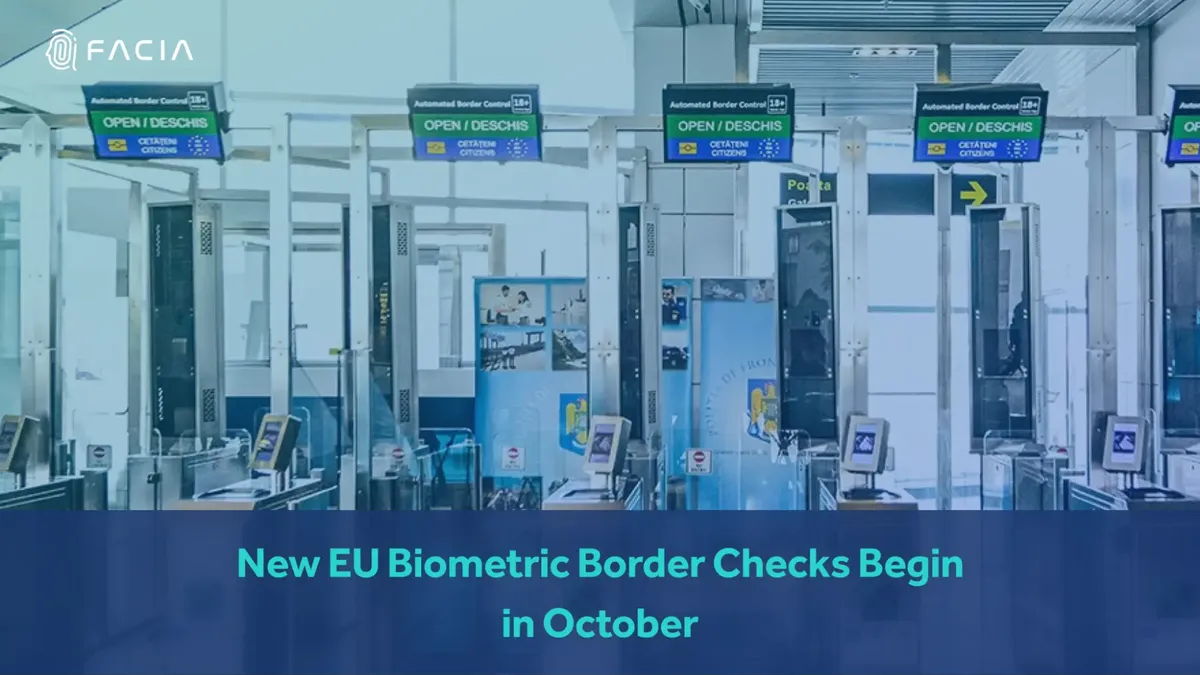
On April 29, 2026, David Newton and his family encountered a harrowing experience at Charles de Gaulle airport in Paris. They arrived three hours before their flight but found themselves stranded for an astonishing 11 hours due to delays from the new EU border biometric checks.
Initially, they joined the queue for passport control, expecting a smooth process. However, after waiting for more than five hours, David described the scene as “mayhem,” with thousands of passengers lined up and only about a third of the 15 booths manned. This led to significant travel delays that many passengers struggled to navigate.
The Entry/Exit System (EES), which requires non-EU nationals to provide fingerprints and facial photos, had been fully launched just weeks earlier on April 10. Unfortunately, technical issues rendered many EES kiosks at major hubs in France inoperable, further complicating matters.
As the clock ticked away, David witnessed fellow travelers growing increasingly anxious. “There were people coming up crying, saying, ‘Excuse me, I’m going to miss my flight,’” he recalled. The manual processing of each passenger took approximately five minutes, exacerbating the already long wait times.
By the time the Newtons reached passport control, their flight had already taken off—two hours after their scheduled departure. With luggage check-in also taking four additional hours, they faced an exhausting ordeal.
The European Commission claimed that the EES system has been functioning well across most member states since its launch. However, several countries have temporarily suspended biometric checks at airports due to overwhelming queues. Greece recently halted biometrics for British nationals amid similar concerns.
ACI Europe has warned that travelers could experience delays of up to three hours during peak periods as these issues persist. Officials have not disclosed how long these technical challenges will last or when EES checks will resume in affected countries.