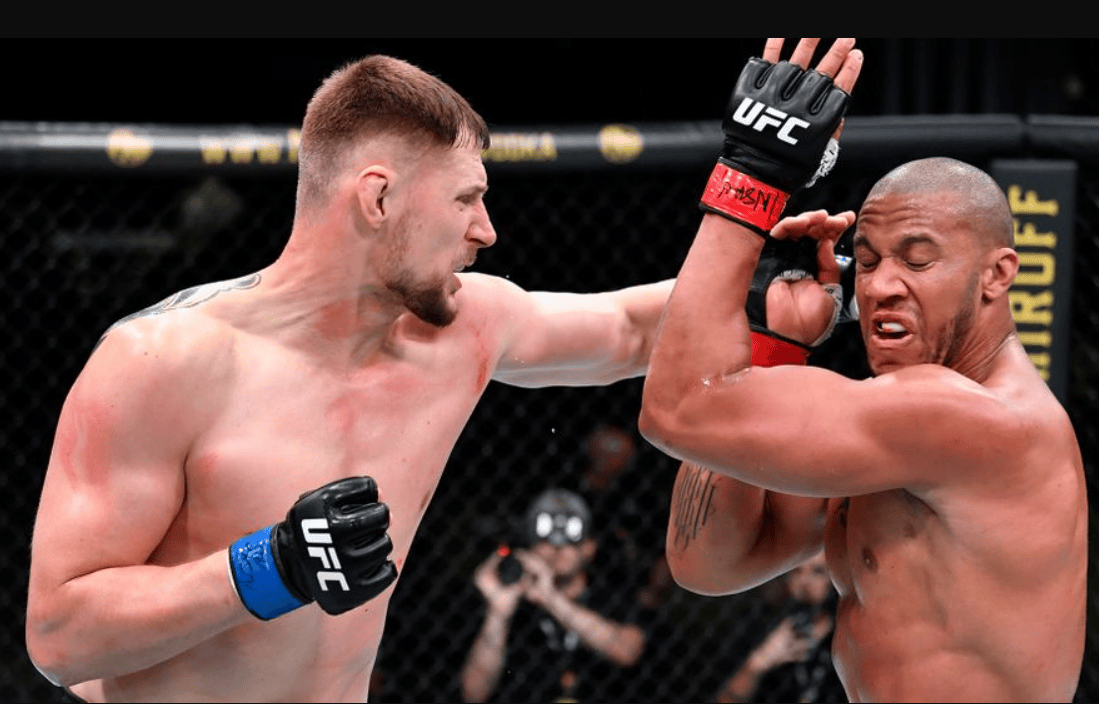
Fight-card reading starts with matchup context, not with the loudest opinion on the card. UFC tips are more useful when they explain striking range, wrestling pressure, cardio and late changes before the market is judged. A reader should also check whether the bout order, weight-cut news or replacement information has changed the original view. The same fight can look different after weigh-ins if one athlete appears drained, misses weight or faces a late opponent switch. Market movement matters only when it matches the technical case, not when it follows public attention alone. UFC predictions can support a betting decision, but they should still show where uncertainty remains. Before any GBP stake is placed, the reader should decide whether the price matches the risk.
Fight markets, prices and risk before staking
Market choice matters because the same fighter can look interesting in one market and overpriced in another. UFC betting usually begins with the moneyline, but props such as method, rounds and totals can change the risk sharply. UFC odds show the market view, not the full fight story. A bettor should compare the price with style, form and recent fight context. UFC tips should also explain when a pass is better than forcing action on a difficult price. UFC betting should stay linked to evidence rather than noise. When the line moves quickly, the reason should be checked before reacting.
Reading moneyline prices before choosing a market
Moneyline markets ask only which fighter wins, but the answer is rarely simple. UFC odds can show a favourite and an underdog, yet the stronger fighter is not always the better betting position. A wide line may hide risk if the favourite has weak takedown defence or questionable cardio. A close line may show uncertainty, but it can also create room for sharper matchup analysis. Analysis should avoid treating favourites as automatic value.
| Market type | What it measures | Fighter data to review | GBP caution | Reader action |
| Moneyline | Fight winner | Style and recent form | Avoid heavy favourites | Compare price with risk |
| Method | How the fight ends | KO, submission, decision paths | Smaller stake | Check finishing history |
| Round betting | Timing of result | Pace and durability | High variance | Use carefully |
| Totals | Fight duration | Cardio and damage history | Watch price | Compare round pace |
Method markets and specific outcome risk
A moneyline view becomes more fragile when the user moves into exact outcomes. UFC betting works better when the market matches the likely fight path. A UFC bet on method needs a clear finishing route, not just confidence in one fighter. A striker may win by knockout, decision or late pressure, and each path has a different price. Grapplers can dominate control time without finding a submission, which changes the value of method markets. Smaller GBP stakes are usually more sensible when the outcome depends on a narrow scenario.
Fighter analysis for stronger UFC predictions
Useful fight analysis begins with style and recent evidence. UFC predictions should compare striking defence, takedown threat, submission danger, cardio and durability. A fighter’s record can help, but opposition level and damage history matter just as much. UFC picks are stronger when they explain how the winner is expected to control the fight. The preview should also show what could make the selection fail.
Using fight picks without ignoring matchup uncertainty
A pick should not hide the weaker side of the argument. UFC picks can be useful when they explain both the advantage and the danger in the matchup. A pressure wrestler may look reliable until facing an opponent with strong takedown defence and clean counters. A knockout artist may carry danger but lose minutes if the other fighter controls range. UFC tips should still mention the losing path, because that is where the real risk usually appears.
- Striking: Compare volume, defence, range control and damage absorbed.
- Grappling: Review takedown threat, control time and submission risk.
- Cardio: Check whether later rounds can change the fight reading.
- Durability: Consider damage history, recovery and recent stoppages.
- Context: Note camp changes, short notice, travel and weight-cut concerns.
This method makes UFC tips more practical because it shows how a fight can go wrong. It also stops one strong advantage from becoming the whole argument.
Injury, camp and short-notice context
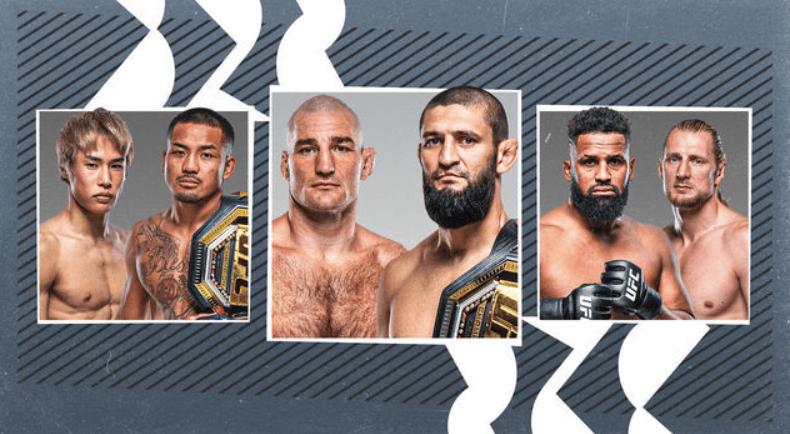
Preparation can change how a fighter looks on paper. UFC predictions become weaker when they ignore injuries, layoffs, late replacements or difficult weight cuts. A camp change can affect cardio, wrestling defence and game-plan discipline. UFC predictions should be checked again if fight-week information changes. The reader should treat incomplete news carefully, especially when a fighter returns from a layoff.
MMA betting risk checks and card discipline
Risk control should be part of the preview, not an afterthought. UFC betting tips should explain why a market fits the matchup and why it may still lose. MMA betting is volatile because finishes, fouls, judging and injuries can change the result quickly. Even a strong read can fail if the opening minute creates a different fight than expected. UFC betting should not turn one technical edge into an oversized stake. A useful guide keeps confidence and stake size separate.
Style matchups for takedowns, distance and cage control
Style decides whether a fighter can use their best weapons. UFC betting tips should compare range, clinch control, takedown entries and ground defence before a market is chosen. A striker with good footwork may avoid danger. A wrestler can slow the tempo with pressure. Cage control can also affect judging when rounds are close. A clean matchup note should show which fighter can impose the first phase of the fight. It should also explain what changes if the first plan fails after the opening exchanges.
Bankroll discipline when staking in GBP
A good read still needs a fixed limit. MMA betting should begin with a GBP budget, not with the most confident opinion on the card. Fight outcomes can change through cuts, judging, fatigue or one mistake in a scramble. A bettor should avoid raising the stake because a line moves late. Smaller, planned stakes make the card easier to review after the event. Long-term discipline matters more than chasing one dramatic fight.
Weigh-in signals before fight-night decisions
Fight week can change the quality of a pick. UFC betting tips should be checked again after weigh-ins, faceoffs and late news. A missed weight can signal preparation problems, but overreacting to staredowns is also risky. Odds movement may reflect real information or simple public pressure.
- Weigh-in: Check whether both fighters made weight and looked stable.
- Faceoff: Note body language, but do not overread promotion theatre.
- Replacement: Compare any late opponent change with the original analysis.
- Market: Watch line movement without chasing every price shift.
- Stake: Set the GBP amount before the first fight starts.
This order keeps UFC tips tied to useful information. It also helps the reader avoid emotional decisions during fight night.
Fight-night updates, odds movement and selection value
Fight-night content needs extra caution because cards can change late. UFC predictions tonight should be checked against the final bout order, weigh-in result and any confirmed replacement news. UFC odds may move quickly when public money arrives, but a shorter price does not automatically improve value. Best UFC bets should be framed as reasoned positions, not safe outcomes. A sensible preview explains what supports the bet and what can break it.
Card changes before final predictions
Late changes can alter more than one market. UFC predictions tonight should be reviewed when a bout is moved, cancelled or changed in length. A replacement fighter can change pace, stance matchup and grappling risk. UFC tips should be updated when the current card no longer matches the original preview. Even the main-card order can affect preparation routines. UFC betting tips should explain what changed and whether the original angle still holds.
Opening lines compared with current market prices
Opening lines can show the first market view, while later prices show how bettors responded. UFC odds should be compared with the first available price, the current line and the reason for movement. If the edge disappears, the selection may no longer be worth the risk. A strong pick at one price can become ordinary at another. Best UFC bets need that comparison before they are treated as serious options.
| Pros | Cons |
| Comparing opening and current lines helps readers see whether the market has already removed value. | Late card changes can weaken analysis if the fight conditions shift after the first preview. |
| Matchup-based notes connect price movement with striking, grappling, cardio and durability factors. | MMA outcomes remain volatile because one mistake, injury or judging swing can change the result. |
| GBP stake planning helps separate a strong opinion from an oversized emotional bet. | – |
| Market comparison can show when a pass is better than forcing action on every fight. | – |
Main event props and undercard value checks carefully

Main events attract attention, but undercards can sometimes offer cleaner reads. A prop should be checked through the fighter’s win condition, not only through the price. Method and round markets need more caution because they require a narrow outcome. UFC predictions tonight can include props, but only when the path is clear enough. If the fight has too many uncertain routes, the safer decision may be to skip the market.
FAQ about fight-card reading and betting control
How should beginners read prices before staking?
Beginners should first identify whether the market is moneyline, method, rounds or totals. UFC odds should be compared with fighter style, recent form and risk, not read as a prediction by themselves. A short favourite can still be poor value if the matchup is dangerous. UFC betting can become easier to manage when the reader knows which market is being used. The stake should stay small until the reader understands how each market works.
What makes analysis stronger than simple picks?
Stronger analysis explains why a fighter has a path to win and what could stop it. UFC predictions should include striking, grappling, cardio, durability and recent context. Simple picks can be too thin when they only name a winner. UFC picks should also show what happens if the favourite cannot control range or tempo. A useful preview shows the risk as clearly as the selection.
How can a card stay controlled with GBP?
A bettor should choose the GBP stake before looking at late market movement. MMA betting becomes riskier when the user raises stakes after emotional reactions. Limits, pauses and skipped fights are part of disciplined card reading. UFC tips should also be checked against the same budget rule, not treated as a reason to increase exposure. If a market feels unclear, avoiding it is a valid choice.
When should a tip be avoided before fights?
A tip should be avoided when the reasoning is vague, outdated or too dependent on hype. UFC tips also become weaker if injury news, weigh-in issues or late opponent changes are ignored. UFC predictions should be reviewed again when the current card no longer matches the original analysis. A UFC bet should not be placed just because a fighter is popular. Careful readers wait for evidence that still fits the current card.