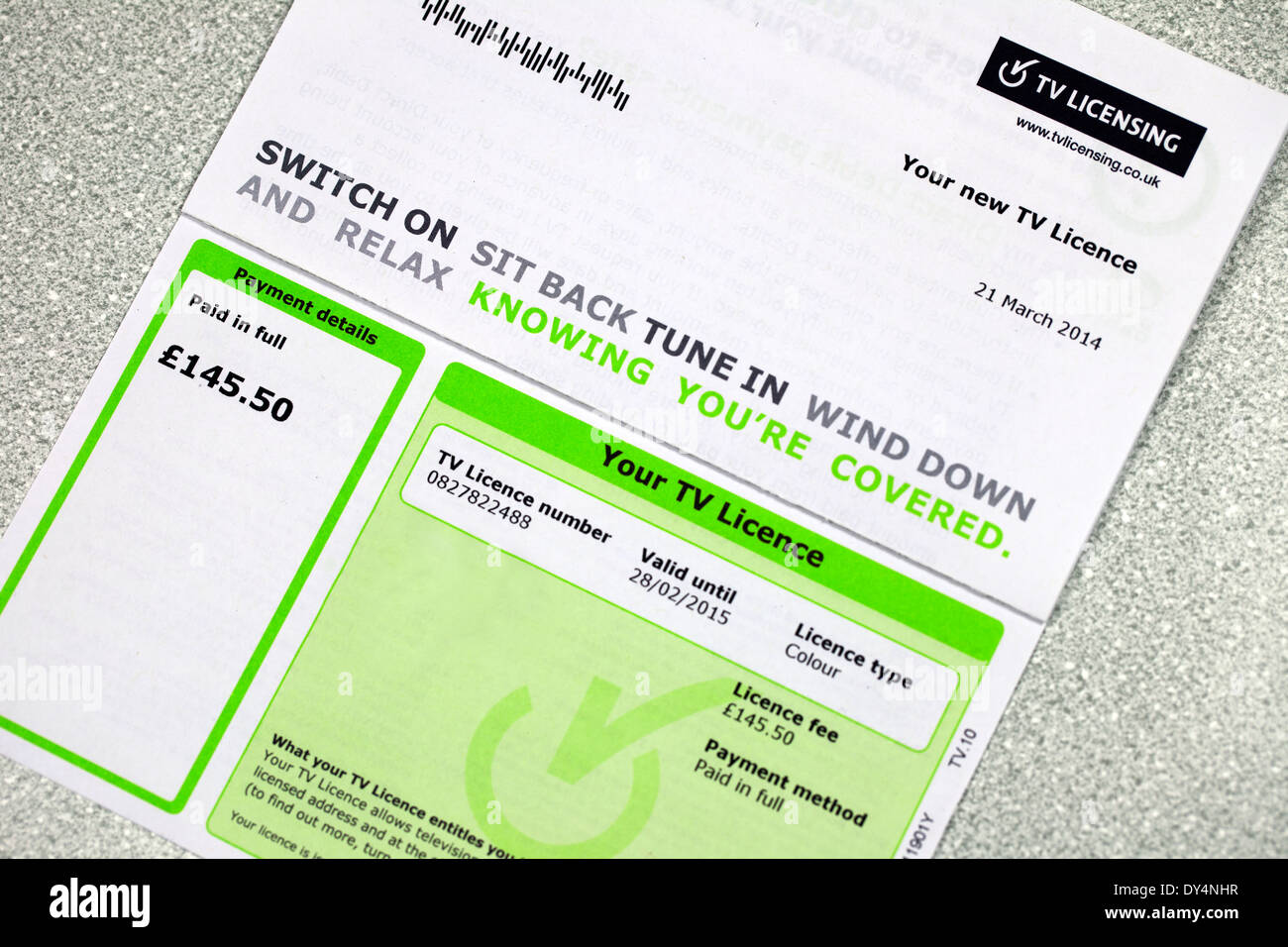
Introduction to TV Licence
The TV licence is a mandatory fee imposed on households in the United Kingdom that watch or record live television broadcasts or use the BBC iPlayer. The licence fee ensures the BBC remains unbiased and independent, funded solely by the public. In recent years, discussions around the relevance and fairness of the fee have intensified, making it imperative for UK residents to understand its importance, current regulations, and the implications of non-compliance.
Current Regulations and Exemptions
As of 2023, the cost of a standard TV licence in the UK is £159 per year. Households are required to purchase a licence if they watch or record live broadcasts on any device, including smart TVs, computers, tablets, or smartphones. Also, watching BBC iPlayer, regardless of whether the content is live or on-demand, requires a valid licence. However, there are exemptions, including individuals over 75 who receive Pension Credit, and certain residential care residents. Furthermore, those who only watch content on services like Netflix or Amazon Prime Video do not need a licence, provided they do not access live TV.
Impact of Non-Compliance
Failing to obtain a TV licence can lead to prosecution and a maximum fine of £1,000. TV Licensing, the organisation responsible for enforcing the law, actively investigates potential non-compliance cases and conducts outreach to ensure education about the requirements. In previous years, an increasing number of prosecutions have sparked debate about whether these measures are proportionate, especially for individuals who may not be aware of the licensing requirements.
Public Sentiment and Calls for Change
The notion of having to pay for a licence has been met with mixed reactions. Some argue that the BBC provides invaluable public service broadcasting and deserving of funding, while others feel the current system is outdated in the age of on-demand streaming services. Recent surveys indicate that a significant portion of the public is open to reforms, including offering more options for users, like a subscription model or reducing fees for those who only use certain services.
Conclusion: The Future of TV Licence
The debate over the TV licence is likely to continue as media consumption habits evolve. With potential changes on the horizon, including discussions in Parliament about the future funding of the BBC, it’s crucial for the public to stay informed. As residents navigate their viewing habits in this digital age, understanding the implications and requirements of the TV licence will remain essential.