Introduction
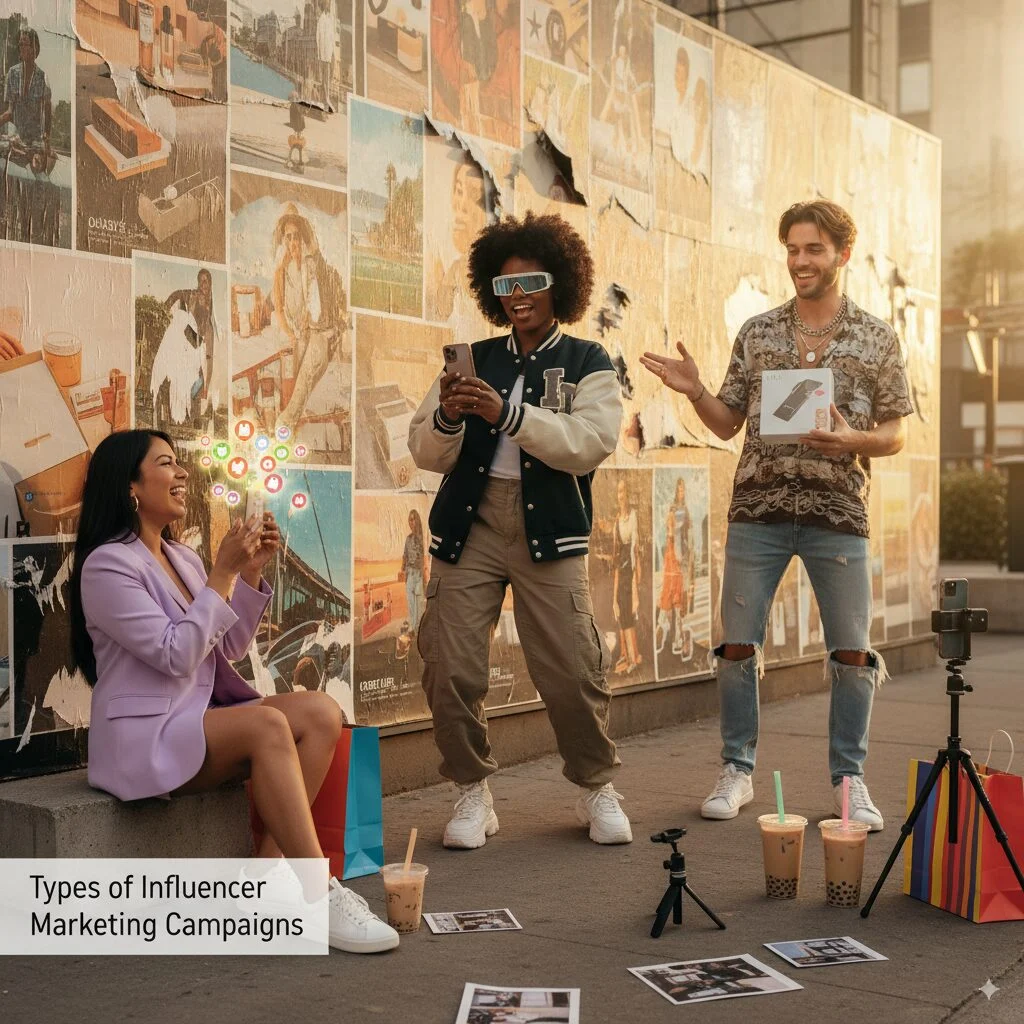
Influencer marketing has surged to prominence in recent years, transforming the way brands connect with consumers. As social media platforms continue to evolve, influencer marketing has established itself as a vital strategy for brands seeking to engage a targeted audience. With 93% of marketers considering influencer marketing an effective strategy, understanding its dynamics is crucial for both brands and consumers.
The Current Landscape
As of 2023, the influencer marketing industry is valued at approximately £13.8 billion, showcasing its explosive growth. Brands are increasingly collaborating with influencers across various platforms, including Instagram, TikTok, and YouTube. Research indicates that 71% of marketers find the quality of customers from influencer marketing campaigns to be better than other advertising channels.
One notable trend is the rise of micro and nano influencers, who boast smaller but highly engaged followings. Studies show that micro-influencers, typically with 1,000 to 100,000 followers, often have higher engagement rates compared to their macro counterparts. This shift allows brands to harness authentic connections and drive conversions more effectively, as consumers are more likely to trust recommendations from influencers they perceive as genuine.
Key Events and Initiatives
In early 2023, several high-profile brands launched innovative campaigns leveraging influencer marketing. For instance, fashion retailers have embraced TikTok challenges, engaging creators to inspire user-generated content and interactive participation. Furthermore, collaborations with popular influencers have not only increased brand visibility but also fostered community engagement, as consumers resonate with the relatable content shared by their favourites.
Challenges and Ethical Considerations
While influencer marketing presents immense opportunities, it also comes with challenges. Brands must navigate issues such as authenticity, transparency, and potential backlash from audiences. The importance of disclosing sponsored content has become paramount, as audiences demand honesty in influencer partnerships. To address this, many companies are now implementing stricter guidelines for influencer marketing, ensuring compliance with advertising standards.
Conclusion
Looking ahead, influencer marketing is set to become even more integral to marketing strategies. As consumer behaviour evolves, brands will need to adapt by utilising data-driven insights to connect with their target audience effectively. The anticipated rise of new platforms and trends will serve as both a challenge and opportunity for influencers and marketers alike. Ultimately, the significance of influencer marketing in shaping brand perceptions and driving customer loyalty cannot be overstated, making it a crucial element in the modern advertising landscape.