Introduction
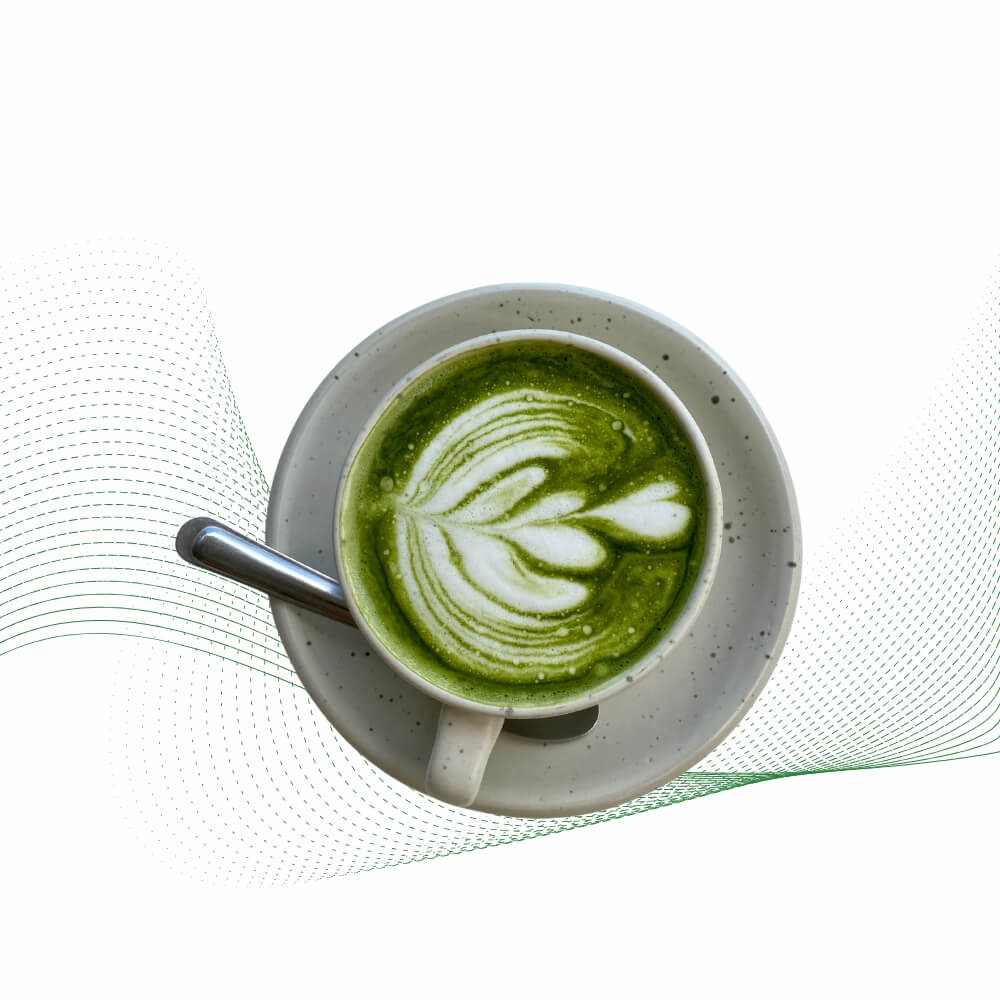
Matcha, a finely ground powder made from specially grown green tea leaves, has surged in popularity over the past few years, especially in health and wellness circles. Known for its vibrant green colour and unique flavour, matcha is not just a beverage; it is a holistic ingredient that carries numerous health benefits. Its relevance has been amplified in the wake of growing interest in natural remedies and healthy lifestyles.
Health Benefits of Matcha
Rich in antioxidants, matcha is celebrated for its potential to boost metabolism, enhance energy levels, and promote relaxation. The primary antioxidant found in matcha, catechins, particularly epigallocatechin gallate (EGCG), is linked to various health benefits, including improved heart health and weight loss. Unlike traditional green tea, matcha allows for the consumption of the whole leaf, hence providing a more concentrated source of nutrients.
Moreover, matcha has been reported to lower stress levels and improve cognitive function. The presence of L-theanine, an amino acid found in matcha, promotes a state of calm alertness, making it a popular choice among students and professionals alike.
Current Trends and Popularity
According to market research conducted in 2023, the global matcha market is expected to reach over £4.4 billion by 2028, with an annual growth rate of 10.5%. This rise is primarily attributable to the increasing adoption of matcha in smoothies, desserts, and health supplements. Major health-oriented brands have begun incorporating matcha into their products, furthermore validating its place in contemporary diets.
The trend is not just a passing phase; matcha has cultivated a dedicated community facilitated by social media platforms. Influencers and health advocates regularly share recipes, tips, and insights about incorporating matcha into daily routines, further solidifying its position in modern health culture.
Conclusion
The continued popularity of matcha points to a wider shift towards natural and wholesome food sources in personal health agendas. As consumers become more health-conscious, the demand for nutrient-dense alternatives like matcha is likely to persist and grow. With its myriad of health benefits and versatile uses, matcha is more than just a beverage; it represents a holistic lifestyle choice for many.