Introduction
The Elizabeth Line, also known as Crossrail, represents a significant advancement in London’s transport infrastructure. Officially opened in May 2022, this new rail line connects the west and east of London and is designed to ease congestion, reduce travel times, and improve access to various parts of the city. Understanding its impact is essential for Londoners as well as those who commute into the city for work or leisure.
Key Developments
Since its opening, the Elizabeth Line has aimed to transform public transport in London with features that enhance user experience. The line stretches approximately 60 miles, traversing key stations such as Paddington, Liverpool Street, and Abbey Wood. In the first few months post-launch, passenger numbers exceeded expectations, with over 4 million journeys reported within the first month alone.
The line was developed in response to the increasing demand for reliable transportation links in the capital. Architects and engineers faced challenges in constructing the line, particularly the integration of new tunnelling with existing rail networks. The project was completed at a cost of approximately £18.9 billion and represents one of Europe’s largest infrastructure projects.
Community Impact
Transport for London (TfL) emphasises the Elizabeth Line’s potential to foster economic growth in the regions it services. Areas such as Thames Valley and the east London boroughs are expected to benefit significantly from improved transport links, increasing the attractiveness of these suburbs for businesses and residents alike. Studies indicate that property values near Elizabeth Line stations have already started to rise, making these areas more desirable.
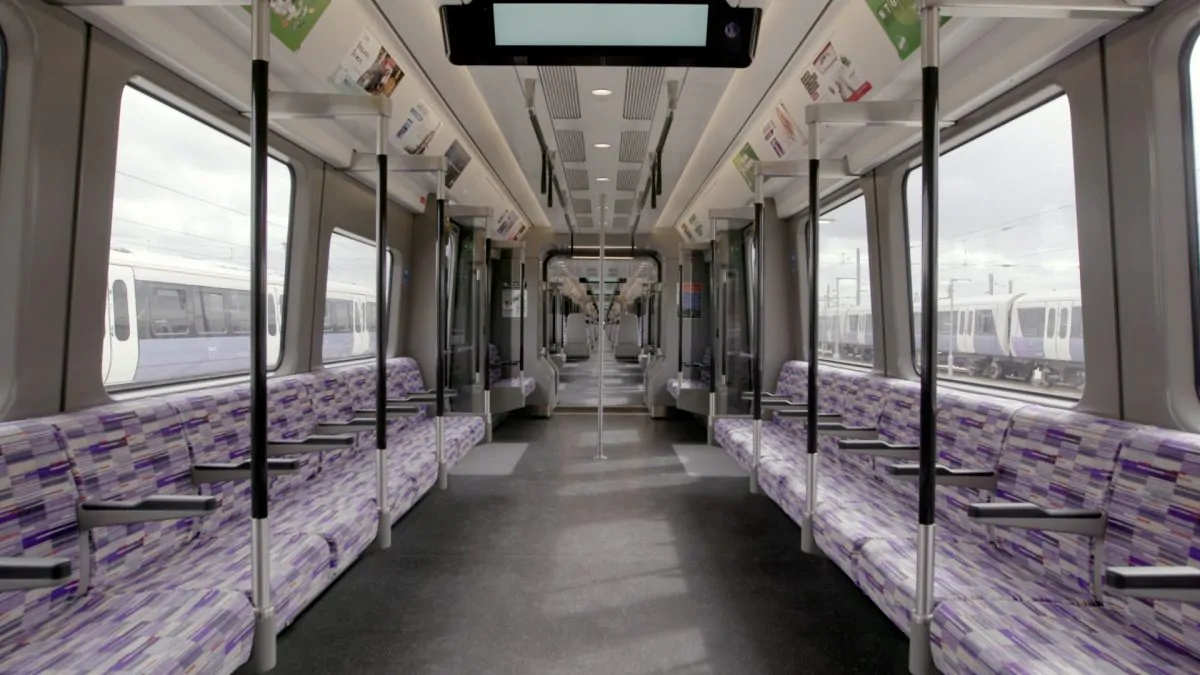
Furthermore, the line has a focus on sustainability, with energy-efficient trains designed to minimise carbon emissions. The usage of advanced technology ensures punctual services and improved accessibility for all users, including those with disabilities.
Conclusion
As the Elizabeth Line gains momentum, its impact on London’s transport landscape becomes clearer. It promises a shift in commuting patterns, encouraging more people to opt for public transport over cars, which could contribute to a reduction in traffic congestion. The long-term forecasts indicate that as more services are rolled out, the line will become integral to London’s public transport for generations to come. The Elizabeth Line is not merely a transport solution; it is a catalyst for growth and change in the urban fabric of London.