Introduction
The Emily movie, directed by Frances O’Connor, has captured the attention of both film enthusiasts and literary scholars alike. This biopic depicts the life of renowned author Emily Brontë, famous for her profound yet haunting novel, Wuthering Heights. With the resurgence of interest in classic literature and biographical films, the importance of this movie lies not only in its artistic portrayal but also in its ability to provide insight into the reclusive author’s life and her struggles against societal confines.
The Plot and Themes
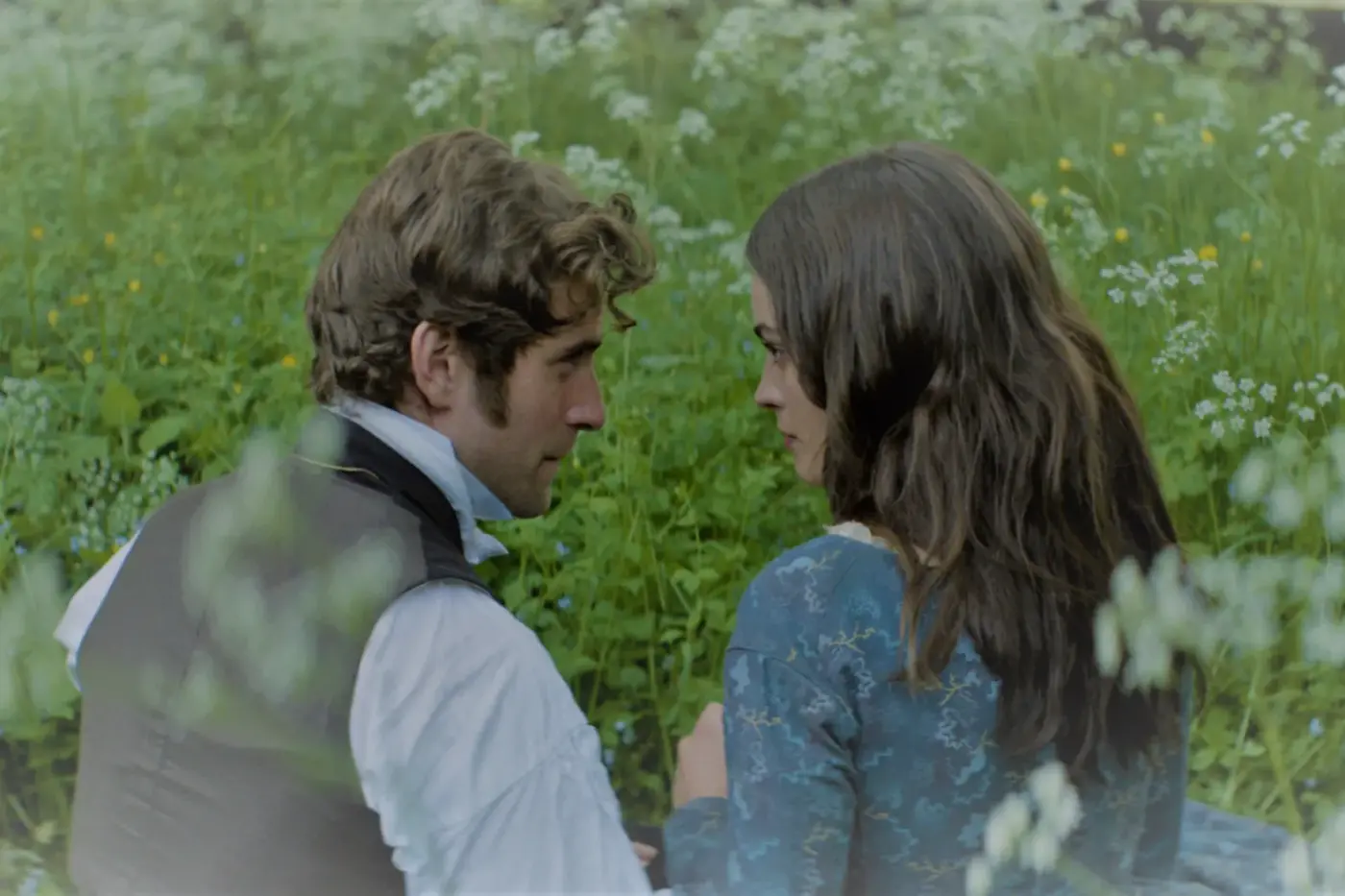
The film vividly brings to life the story of Emily Brontë, focusing on her early years in the Yorkshire moors. It examines her relationship with her siblings, particularly with her sister Charlotte Brontë, also a celebrated author. The narrative centers around Emily’s profound connection with nature and how these experiences influenced her writing. Critics have praised the film for addressing themes of creativity, isolation, and the quest for identity amidst societal expectations.
Critical Reception
Since its release in October 2022, the Emily movie has received positive reviews, earning a score of 85% on Rotten Tomatoes based on critic reviews. Audiences have particularly lauded Emma Mackey’s portrayal of Emily, highlighting her ability to embody the author’s intensity and complexity. Film festivals in London and Toronto showcased the film, further establishing its reputation as a significant cultural artifact that explores the depths of literary genius.
Significance for Viewers
The Emily movie not only serves as an artistic representation of Brontë’s life but also as an inspiration for modern audiences. It opens a discussion about the challenges faced by women in the arts, particularly during the 19th century, and how those struggles resonate even today. Viewers are invited to explore the intersection of creativity and personal hardship—a narrative that continues to unfold in contemporary society.
Conclusion
As the Emily movie continues to draw attention for its poignant storytelling and powerful performances, it solidifies its place as a significant contribution to the genre of literary biopics. By shedding light on Emily Brontë’s life, the film not only honours her legacy but also encourages viewers to reflect on the ongoing challenges faced by artists in the modern world. Ultimately, the movie serves as a reminder of the enduring power of literature and its ability to transcend time and societal barriers.