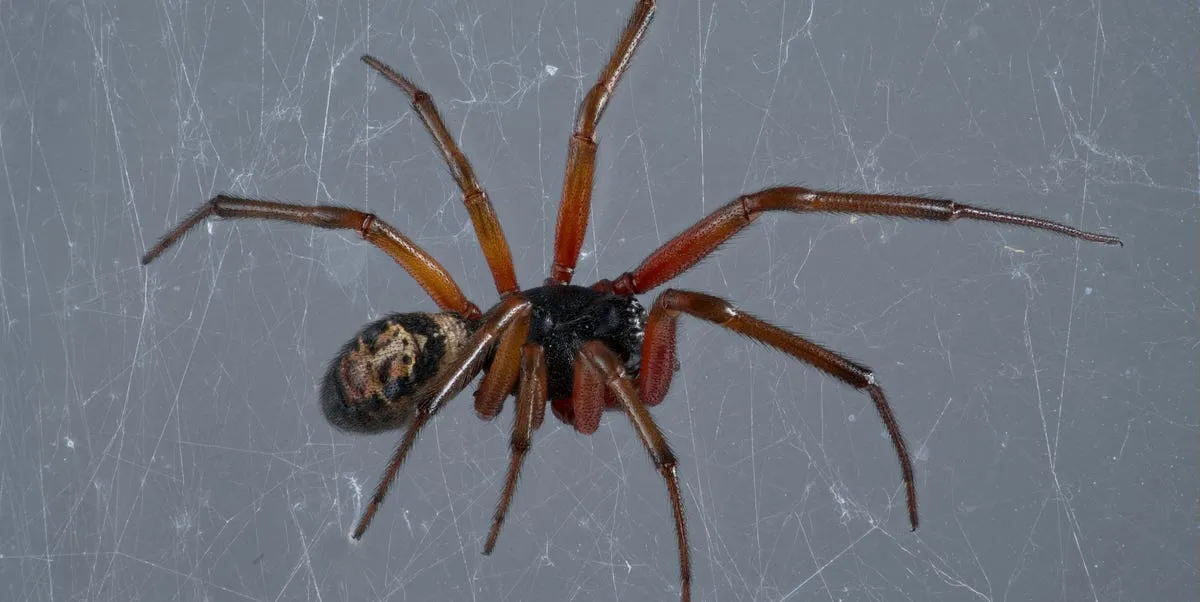
Recent developments in the UK have raised alarm over the increasing presence of false widow spiders, with more than 100 hospital admissions linked to spider bites reported in 2025, a significant rise from just 47 in 2015. This surge in cases highlights the growing concern among residents and health officials alike.
False widow spiders, known for being the most venomous species in the UK, have seen their population explode since the early 2000s. Originally spotted in the UK in 1879, these spiders have adapted remarkably well to urban environments, making them a common sight in homes and gardens.
Dr. Michel Dugon, a leading expert on spider species, noted, “We know that those species indeed can actually bite, that they do have a preference to live in and around houses rather than in natural habitats, at least in the UK and Ireland.” This adaptability has led to a worrying trend, as bites can result in severe symptoms such as pain, tremors, and dizziness.
In a stark reminder of the potential dangers, Chris Keegan shared his experience, stating, “Something so tiny and trivial if ignored could have led to my thumb or hand being removed, or sepsis could have set in.” Such testimonials underscore the importance of awareness and caution when dealing with these spiders.
The increase in false widow spider populations is attributed to factors such as globalisation and possibly climate change, although the exact reasons remain uncertain. The role of climate change in their spread is still being studied, leaving many questions unanswered.
Clive Hambler, an ecologist, remarked, “The days when you could just treat spiders as benign in Britain are over.” This sentiment reflects a shift in public perception, as residents become more vigilant about the presence of these spiders in their homes.
Interestingly, false widow spiders are not aggressive; they typically bite only when provoked. However, their ability to carry harmful bacteria on their fangs can lead to serious secondary infections, making it crucial for individuals to exercise caution.
To mitigate the risk of encounters, experts recommend reducing outdoor lighting to minimize the number of insects attracted to homes, which in turn makes them less appealing to spiders. Additionally, removing all spiders from homes can inadvertently allow false widows to settle in due to a lack of competition.
As the community grapples with this rising trend, health officials urge residents to remain informed and proactive. Details remain unconfirmed regarding the full extent of the population explosion, but the message is clear: vigilance is key in ensuring safety in our homes.