Introduction
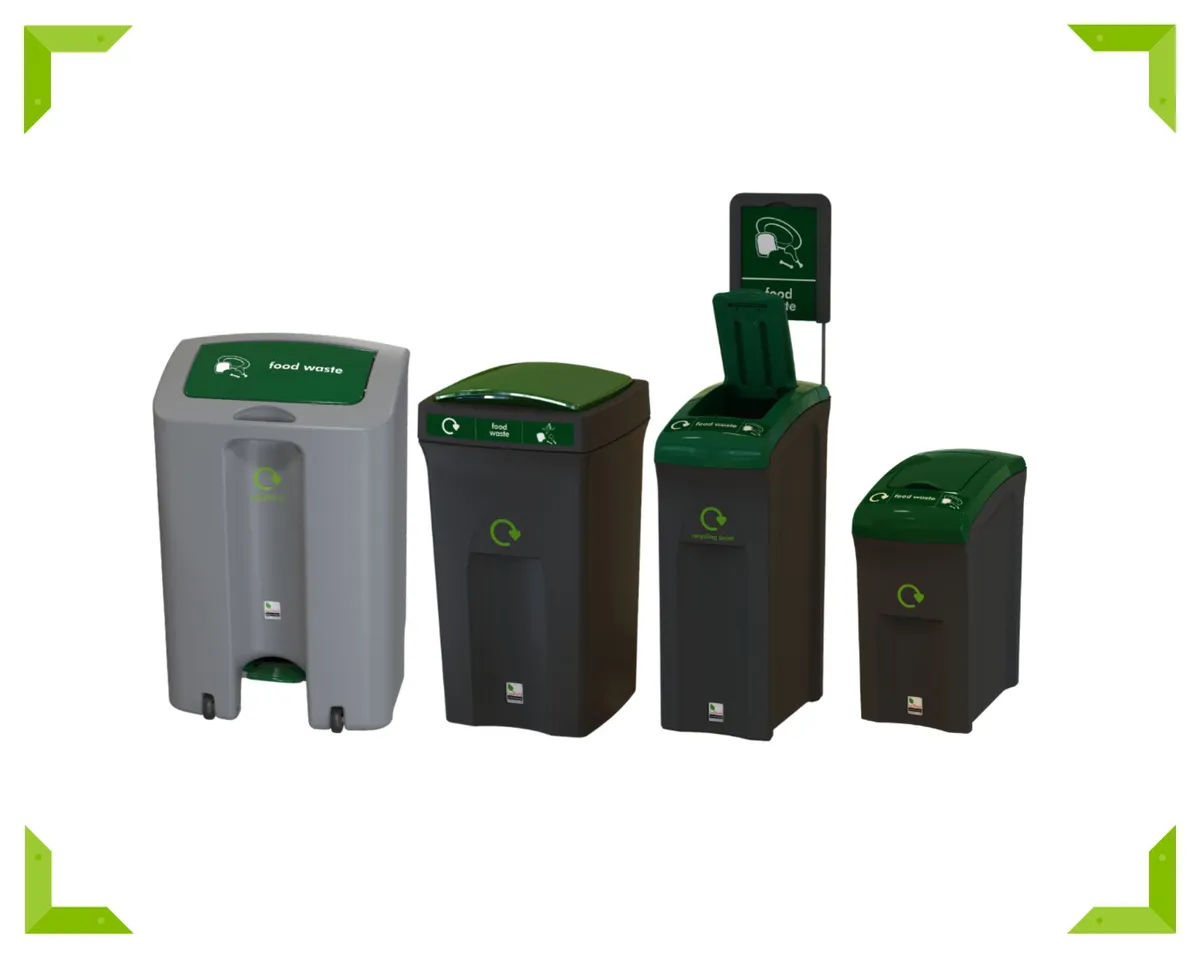
The implementation of new legislation in England is driving an increase in the adoption of food waste recycling bins among hospitality businesses. With a significant rise in the collection of food waste, the sector is adapting to comply with regulations aimed at reducing landfill waste.
Background of Food Waste Legislation
As of March 31, 2025, the Simpler Recycling legislation mandates that all food scraps and leftovers must be segregated from general waste. This requirement applies to businesses with 10 or more full-time equivalent employees, compelling them to utilize food waste recycling bins for proper disposal.
Impact of the New Regulations
Waste management company Biffa has reported a nearly 50% increase in the number of businesses utilizing their food waste collection services compared to two years prior. This surge translates to the collection of tens of thousands of tonnes of food waste, equivalent to the weight of two-and-a-half Eiffel Towers. The collected waste is primarily processed through anaerobic digestion, converting it into renewable energy used to power homes.
Benefits of Food Waste Recycling
By diverting food waste from landfills, businesses not only comply with legal requirements but also contribute to environmental sustainability. The biogas produced from processed food waste can power approximately 2,880 homes for a year, showcasing the potential benefits of effective food waste management.
Conclusion
The transition to food waste recycling bins is becoming increasingly vital for businesses in England as they adapt to new legislation. This shift not only aids in compliance but also supports renewable energy initiatives, highlighting the importance of responsible waste management.