Engine design changes agreed
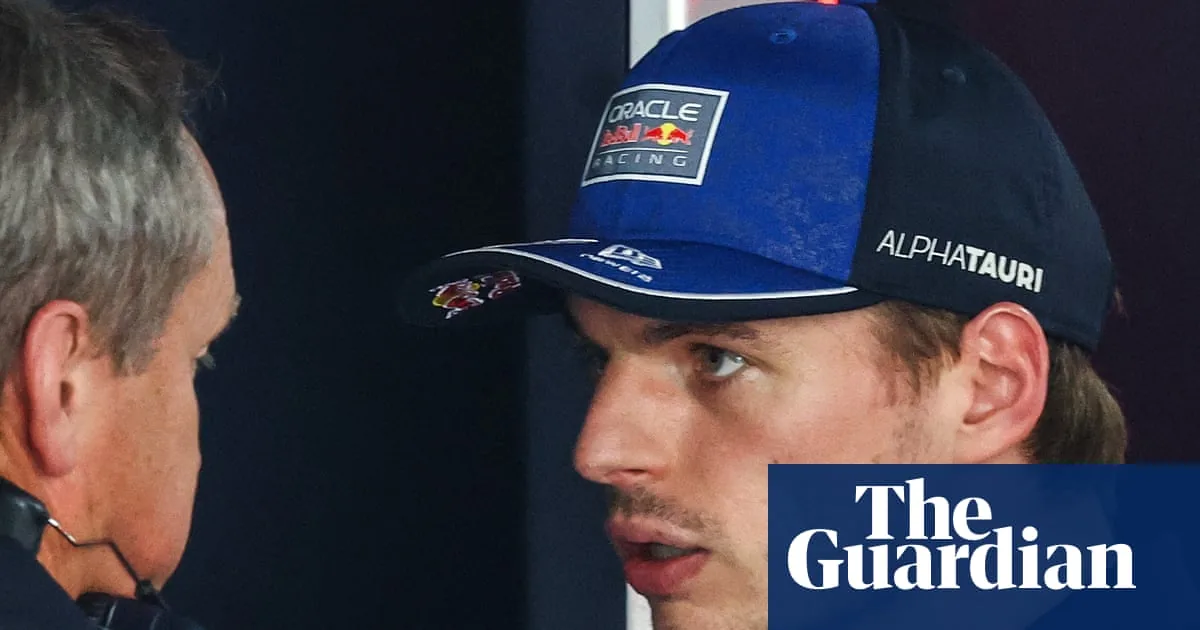
Formula 1 has reached an agreement to modify its engine design over two stages, following criticism regarding the current rules. Drivers have expressed dissatisfaction with the near 50-50 division between internal combustion and electrical power, noting that the need for energy management has reduced the challenge during qualifying sessions. This sentiment was echoed by four-time champion Max Verstappen, who indicated he would consider leaving the sport if changes were not implemented. Other drivers also agreed that the issue needed to be addressed.
The agreed plan will see the power split adjusted to 58-42 in 2027, before moving to a 60-40 ratio in favour of the internal combustion engine (ICE) by 2028. This compromise follows a month of discussions, during which Ferrari and Audi advocated against implementing the 60-40 change in a single step for 2027. The governing body, the FIA, stated that these proposed changes aim to resolve issues related to energy management and fuel energy-flow characteristics, making qualifying more ‘flat-out’ without negatively impacting the racing generated by the new regulations.
The adjustments will involve increasing the fuel-flow to the ICE by 5% in 2027 and 13% in 2028. This is projected to boost the power from the ICE from approximately 400kW this year to 420kW in 2027 and 450kW in 2028. Concurrently, the power produced by the electrical component of the engine will be reduced from 350kW this year to 300kW from next year.
The maximum power available in overtake mode, which allows a driver within one second of a car ahead to utilise an additional 0.5MJ of energy per lap, will remain at 350kW. However, the maximum harvesting power of the electrical part of the engine will be increased from 350kW this year to 375kW in 2027 and 400kW in 2028. This enhancement is intended to enable teams to recover energy more rapidly, thereby decreasing the time spent on this process.
Driver concerns and performance upgrades
A significant point of contention with this year’s new cars has been that the engines were perceived as ‘energy starved’. Drivers found it challenging to recover sufficient energy within a lap to meet the maximum allowance. This led to unconventional driving tactics in early races, such as drivers lifting off the throttle and coasting during qualifying laps, and even recovering energy while at full throttle. Such practices have been seen to diminish the ‘flat-out’ nature of qualifying and have drawn strong criticism from some drivers.
Two-time champion Fernando Alonso remarked that fast corners have become a “charging station for the car” due to the new regulations. An initial step to address these concerns was taken after the first three races, when the maximum energy recoverable per lap was reduced, and the power of recovery at full throttle was increased. Drivers generally welcomed this initial change, though they viewed it as a small step.
In addition to the regulatory agreement, the FIA has also informed power-unit manufacturers about the ranking of engine performance. This is significant as it allows manufacturers deemed to be more than 2% behind the most powerful engine to upgrade their engines this year and next. While the FIA has not publicly released its findings, sources indicate that Red Bull has been identified as having the most powerful engine, based solely on the power of the internal combustion engine, without considering the effectiveness of the electrical system’s recovery and deployment.
Mercedes has been granted one permissible upgrade this season and another for next year. Meanwhile, other manufacturers, including Ferrari, Audi, and Honda, are permitted to make two upgrades in both the current season and 2027. These additional upgrades also come with an allowance for extra spending under the engine budget cap, with the amount varying based on the performance deficit. Sources further suggest that Honda has been found to be more than 10% behind the leading engine, which triggers an additional allowance in the engine cost-cap.
The proposed changes to the Formula 1 Technical, Sporting, and Financial Regulations for 2027 and 2028 have been agreed upon by the FIA, Formula One Management, teams, and power unit manufacturers. These amendments reflect continued collaboration among all stakeholders to refine the framework and address identified operational challenges. The FIA will now expedite the formal approval process to provide all parties with clarity and sufficient time to adapt to the revised requirements. The proposed changes are set to be submitted to the World Motor Sport Council for approval on June 23 in Macau.
Read Also
Source: bbc.co.uk