Introduction
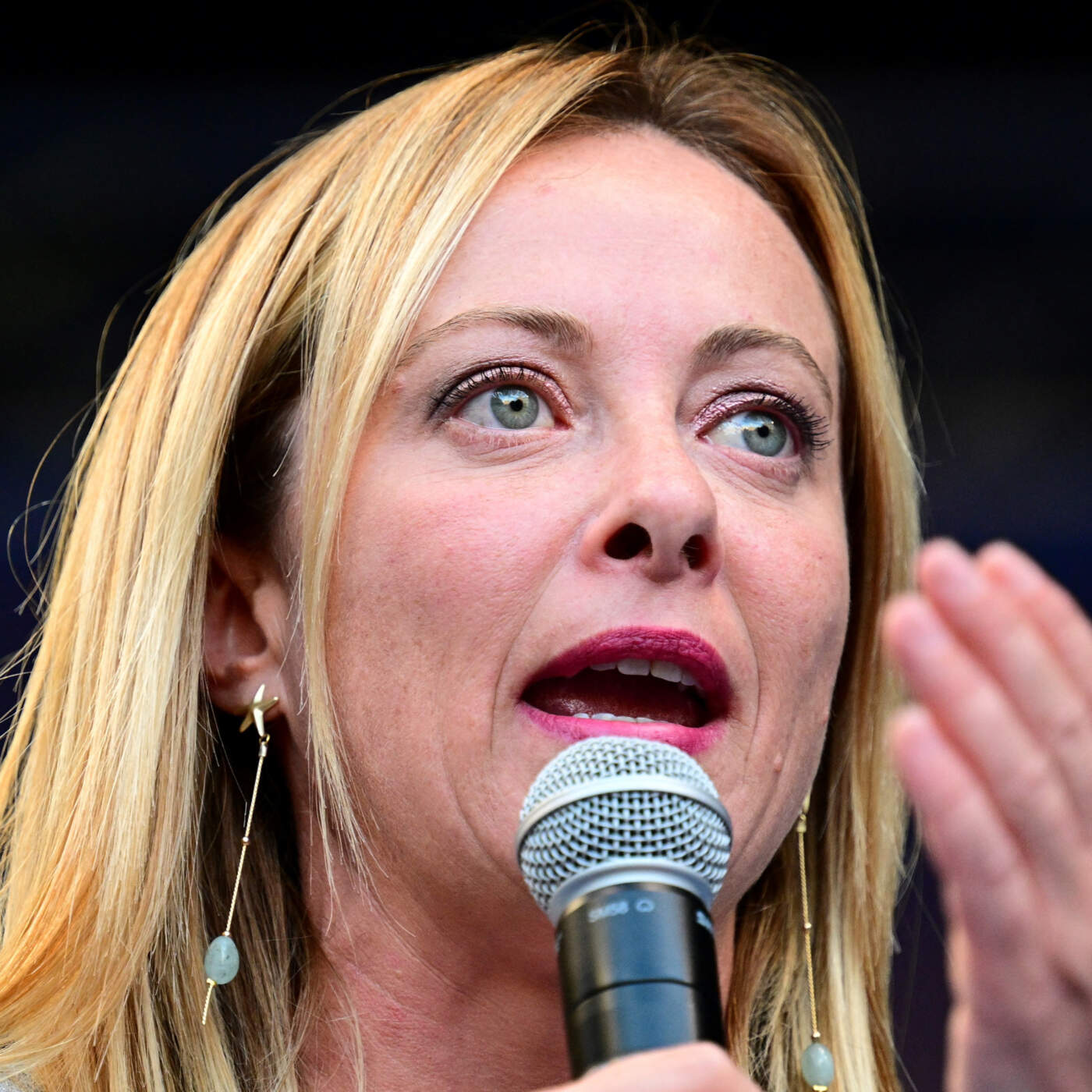
Giorgia Meloni, Italy’s first female Prime Minister, represents a significant shift in the country’s political landscape. Leading the right-wing Brothers of Italy party, Meloni has captured attention and admiration, not only for her political agenda but also for her ability to navigate the complexities of international politics. As the political climate in Europe continues to evolve, Meloni’s rising influence is both relevant and noteworthy.
Background and Political Rise
Giorgia Meloni was born on January 15, 1977, in Rome. From a young age, she became involved in politics, joining the youth wing of the National Alliance party. In 2008, at just 31, she was appointed Minister for Youth in the Berlusconi government, making her one of the youngest ministers in Italian history. In 2012, she co-founded the Brothers of Italy party, which has since seen a steady increase in popularity, particularly among right-leaning voters disillusioned with traditional parties.
Recent Developments and Policies
In September 2022, Meloni’s party won a significant victory in the national elections, leading to her appointment as Prime Minister. Her administration has focused on issues such as immigration control, economic reform, and national identity. Meloni has been outspoken against illegal immigration and has taken a firm stance on maintaining Italy’s cultural heritage while fostering a sense of nationalism. Under her leadership, Italy has also engaged with other EU nations to discuss migration policies and economic recovery post-COVID-19.
Challenges Ahead
Despite her political success, Meloni faces several challenges, both domestically and on the international stage. The Italian economy is under strain due to high inflation and energy crises exacerbated by global conflicts. Additionally, Meloni’s hard-right position raises concerns among many EU leaders about the potential for increased nationalism throughout Europe. Balancing her political agenda with collaborative diplomacy will be crucial for her administration’s future.
Conclusion
Giorgia Meloni’s ascent to the Prime Ministership marks a pivotal point in Italian politics. As she continues to shape her government’s policies amidst internal pressures and international obligations, her leadership will be closely monitored not just in Italy, but across Europe. Meloni has the potential to redefine political norms, and her impact on the EU and global stage could be significant in the coming years.