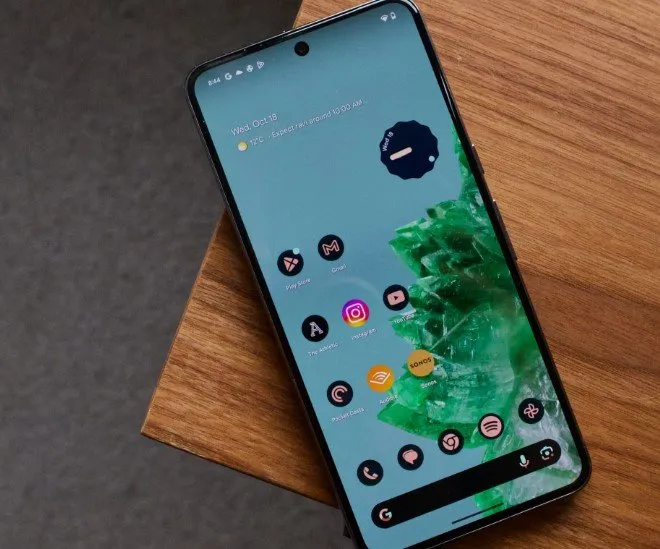
Google has introduced a major update enabling Gemini AI to access users’ Google Photos library. This development allows the AI to create personalized images based on actual photos stored by users. It’s a significant step forward in how we interact with our digital memories.
According to Google, “By connecting your Google Photos library to Personal Intelligence, Gemini goes a step further than just understanding your interests.” This means that users can expect more tailored content that reflects their unique experiences and preferences.
However, privacy remains a concern. Google assures users that it does not train its AI models directly on private photo libraries. Users have the option to turn off Gemini’s access through the app settings, giving them control over their own data.
This update comes amid rising concerns about digital impersonation and privacy in technology. For instance, Tinder and Zoom are now introducing eye-scanning technology to combat AI impersonation, allowing users to scan their irises for verification. This is part of a broader trend where technology companies are striving to ensure authenticity online.
Sam Altman, co-founder of World ID—formerly known as Worldcoin—highlighted this issue when he said, “I’m not afraid for the future as long as we can tell between the two.” The need for tools that verify identity is becoming increasingly important as deepfake scams are projected to result in $40 billion worth of financial fraud in the U.S. by 2027.
World ID has already verified 18 million people through its iris scanning feature. Yoel Roth from Twitter mentioned, “Partnering with World ID is a natural next step for the platform to help users know the person on the other end is real.” This reflects a growing recognition of the importance of trust in online interactions.
The launch of Gemini AI within Google Photos is part of this larger narrative about technology evolving to meet user needs while addressing security concerns. As these tools develop, keeping control over personal data will be vital—”Users will keep control of their data by default,” assures industry insiders.
As this technology continues to unfold, many are watching closely. The intersection of personalization and privacy will likely shape future developments in how we store and share our memories digitally. Details remain unconfirmed about how users will react to these changes, but one thing is clear: the landscape of digital interaction is changing rapidly.