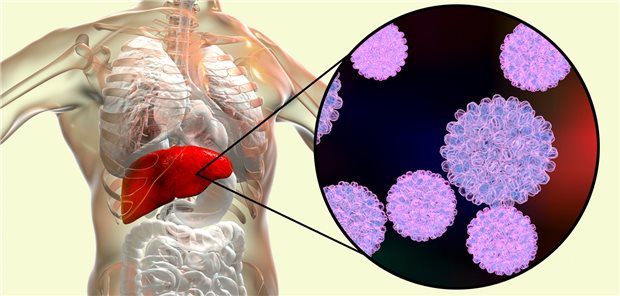
Introduction to Hepatitis B
Hepatitis B is a significant global health issue caused by the Hepatitis B virus (HBV), which primarily affects the liver. With over 296 million people worldwide living with chronic HBV infection, awareness and understanding of this disease are critical. It can lead to severe liver disease and cancer, making prevention through vaccination and treatment more important than ever.
Current Epidemiology
The World Health Organisation (WHO) reported that Hepatitis B caused an estimated 1.5 million deaths in 2019 alone, indicating its seriousness. While vaccination efforts have made substantial progress, many regions still see high numbers of new infections. In the UK, health authorities estimate there are around 250,000 people living with chronic Hepatitis B, a number that could rise without continued public health initiatives.
Causes and Transmission
Hepatitis B is primarily transmitted through contact with infectious body fluids. This can occur through sexual contact, sharing needles, or from mother to child at birth. Vaccine-preventable, it is recommended for newborns, healthcare workers, and high-risk groups to significantly reduce the risk of infection.
Treatment Options
While there is no cure for Hepatitis B, antiviral medications can help manage the virus and reduce the risk of liver complications. Regular monitoring and follow-ups are crucial for individuals diagnosed with chronic HBV, ensuring timely intervention and management of any liver damage. Recent advancements in medical research are continually improving treatment strategies.
Conclusion
The significance of raising awareness about Hepatitis B cannot be overstated. With effective vaccination programs and treatment options available, the battle against this disease continues to evolve. Individuals must stay informed and proactive about their health, ensuring they are vaccinated and screened appropriately. With ongoing global efforts, the health community remains hopeful for a future where Hepatitis B is more effectively managed and prevented.