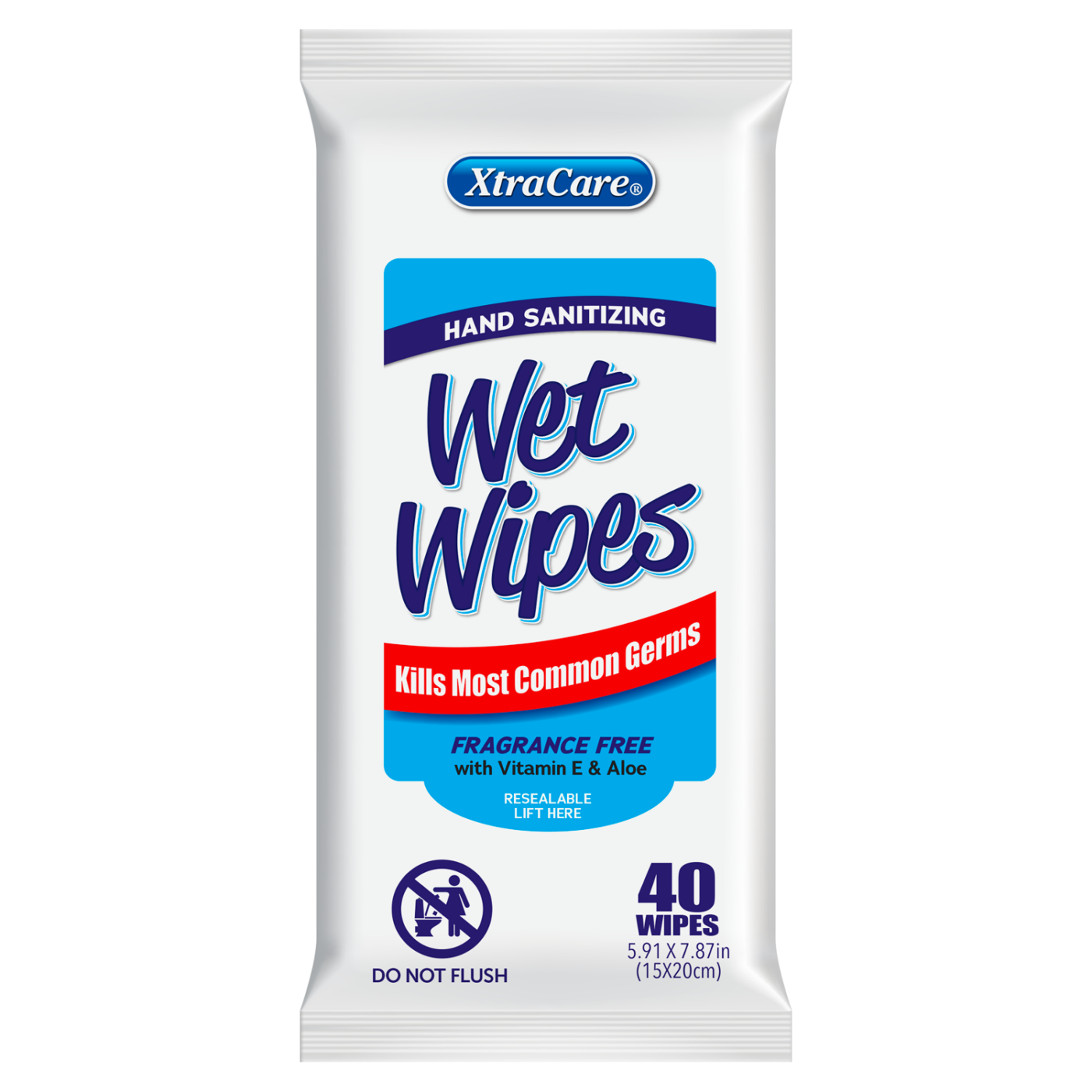
The Growing Concern Over Wet Wipes
In recent months, environmental organisations and health experts have raised significant concerns regarding the widespread use of wet wipes. Often marketed as convenient and hygienic, these products, which include baby wipes, cleaning wipes, and personal hygiene wipes, are primarily made from non-biodegradable materials, contributing to serious environmental issues.
Environmental Impact of Wet Wipes
The surge in consumer reliance on wet wipes during the COVID-19 pandemic has exacerbated their impact. According to a report published by the UK Environment Agency, millions of these wipes are used daily, leading to clogged drains and costly blockages in wastewater systems. It is estimated that wipes account for over 90% of the items found in sewer blockages, resulting in significant maintenance costs for local councils.
Moreover, many wet wipes are labelled as ‘flushable’, which further complicates waste disposal. The Advertising Standards Authority (ASA) has been actively investigating misleading claims that suggest these wipes can be flushed down toilets without consequence. Recent rulings have prompted brands to reconsider their marketing, increasing public awareness of this issue.
Health Risks and Consumer Awareness
Beyond environmental concerns, wet wipes can pose health risks as well. Some wipes contain chemicals such as preservatives and fragrances, which can irritate sensitive skin. The rise in dermatitis cases linked to the use of wet wipes has been noted by dermatologists, prompting a call for greater regulation of these products.
What Can Consumers Do?
As awareness increases, consumers are encouraged to reconsider their wipe usage. Recycling and disposal methods are crucial; consumers should be urged to dispose of wet wipes in the general waste bin instead of flushing them. Alternatives such as reusable cloths and biodegradable options are also viable solutions that reduce environmental impact.
Conclusion
The ongoing warnings surrounding wet wipes emphasise the urgent need for both consumer education and regulatory reform. As the ramifications of continued reliance on these products become ever more evident, it is essential for individuals to make informed choices. By seeking alternatives and supporting brands committed to environmentally-friendly practices, consumers can play a pivotal role in mitigating the negative influences of wet wipes on our ecosystems.