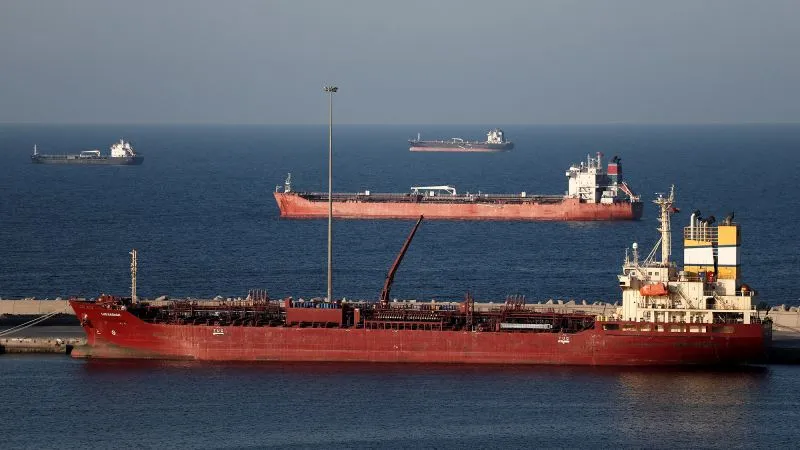
Are Iran’s actions in the Strait of Hormuz a threat to global oil supply?
Iran has begun laying mines in the Strait of Hormuz, a critical passage through which about 20 percent of the world’s oil supply flows. This action raises significant concerns regarding the safety of oil shipments and the potential for escalating military tensions in the region.
Recent reports indicate that Iran has laid a few dozen mines in the strait, although this mining activity is not extensive yet. The Islamic Revolutionary Guard Corps has warned that it will not allow even “one litre of oil” to leave the region if attacks from the US and Israel continue. This statement underscores the strategic importance of the Strait of Hormuz, which is only 34 kilometers wide at its narrowest point and has a shipping lane of just 3.2 kilometers in either direction.
Historically, during the ‘Tanker War’ in the 1980s, Iran routinely placed naval mines along major shipping routes used by oil tankers, a tactic that has resurfaced in the current geopolitical climate. Iran is estimated to possess between 2,000 to 6,000 naval mines, retaining a significant portion of its small boats and mine layers, which could be used to disrupt maritime traffic.
The US Central Command has responded to these developments by destroying multiple Iranian naval ships, including 16 minelayers, near the Strait of Hormuz. This military action reflects the heightened tensions and the potential for conflict as both nations navigate the precarious situation. Former President Donald Trump has issued stern warnings, stating, “If Iran has put out any mines in the Hormuz Strait, and we have no reports of them doing so, we want them removed, IMMEDIATELY!” He further emphasized that any mines not removed would lead to military consequences “at a level never seen before.”
As of now, the exact number of mines Iran has laid remains unclear, and the current status of oil shipments through the Strait of Hormuz is uncertain. Approximately 15 million barrels per day of crude production and 4.5 million barrels per day of refined fuels could be stranded in the Gulf due to these tensions. The implications of Iran’s actions could have far-reaching effects on global oil prices and supply chains.
In a stark warning, Ali Mohammad Naini, a spokesperson for the Iranian military, declared, “Any movement of the US fleet and its allies will be stopped by our missiles and drones.” This statement highlights the potential for military confrontation should the US and its allies attempt to intervene in Iran’s mining operations.
As the situation evolves, the international community watches closely, with many stakeholders concerned about the stability of the region and the implications for global energy markets. Details remain unconfirmed regarding the full extent of Iran’s mining operations and their impact on oil shipments, leaving many questions unanswered as tensions continue to rise in this critical maritime corridor.