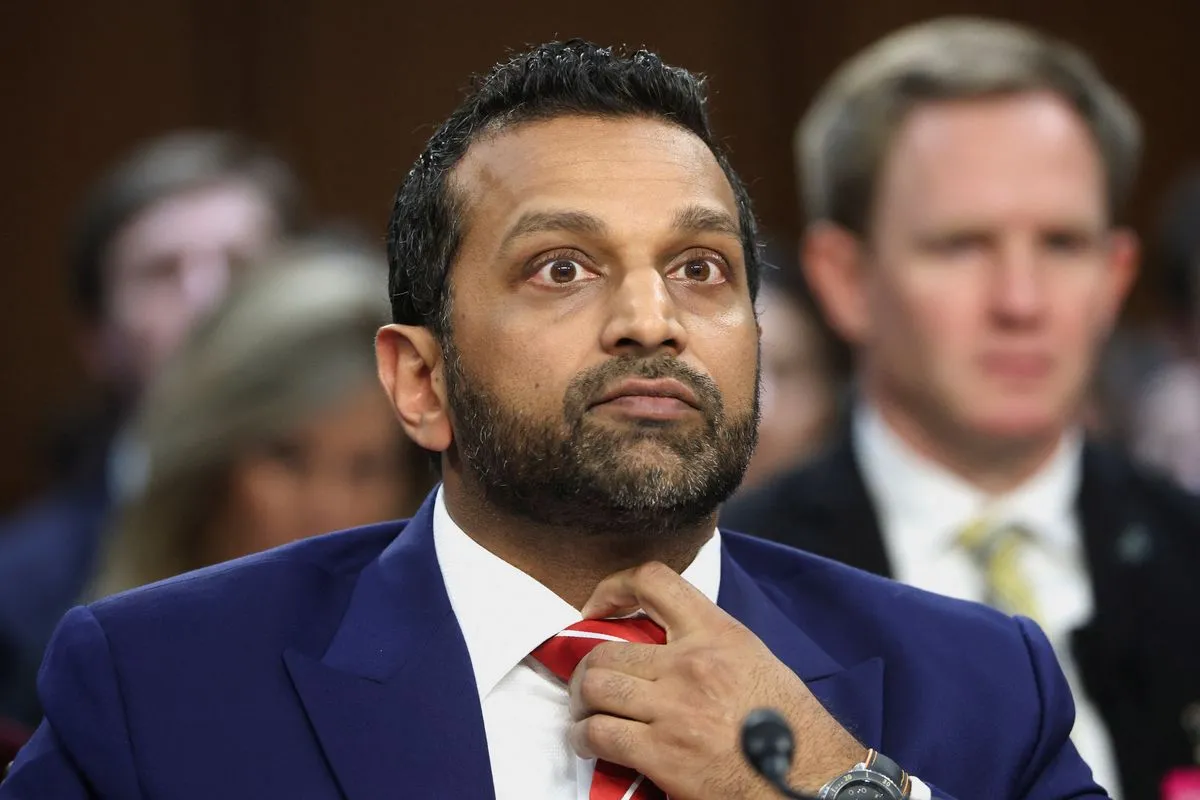
On March 27, 2026, Kash Patel found himself at the center of a significant cybersecurity incident when his personal email account was hacked by the Handala Hack Team, a group linked to Iran. This breach came shortly after Patel had publicly declared victory over the hacking group, making the timing particularly striking.
The Handala Hack Team, which describes itself as pro-Palestinian vigilantes, claimed that the hack was a retaliation for US-Israeli actions in Iran, specifically referencing a strike on a children’s school. This context adds a layer of geopolitical tension to the incident, as Patel’s role as the ninth director of the FBI has often placed him in the spotlight.
Following the breach, the hackers published photographs and documents from Patel’s email online, which included personal and work correspondence dating back to 2010. A Justice Department official confirmed that the material appeared authentic, raising serious concerns about privacy and security.
Patel’s leadership at the FBI, which began in 2025, has been marked by controversy, including accusations of misusing the agency for personal travel. This latest breach adds to the scrutiny he faces, as it not only affects him personally but also raises questions about the security protocols in place for high-ranking officials.
The Handala Hack Team has previously claimed credit for other cyberattacks, including one on the medical device company Stryker. Their actions highlight the ongoing threat posed by cybercriminals and the need for robust cybersecurity measures.
In response to the breach, Patel remarked, “Iran thought they could hide behind fake websites and keyboard threats to terrorize Americans and silence dissidents.” His statement underscores the broader implications of such cyberattacks on national security and public safety.
As the community grapples with the ramifications of this incident, the involvement of the FBI and the Department of Justice in investigating the breach is crucial. Their findings could lead to stronger cybersecurity policies that protect not only public figures but also everyday citizens.
While the situation continues to unfold, details remain unconfirmed regarding the full extent of the breach and its implications. The community remains vigilant, aware that cybersecurity threats are ever-present and evolving.
As this story develops, it serves as a reminder of the importance of cybersecurity awareness and the need for collective action to safeguard personal and public information.