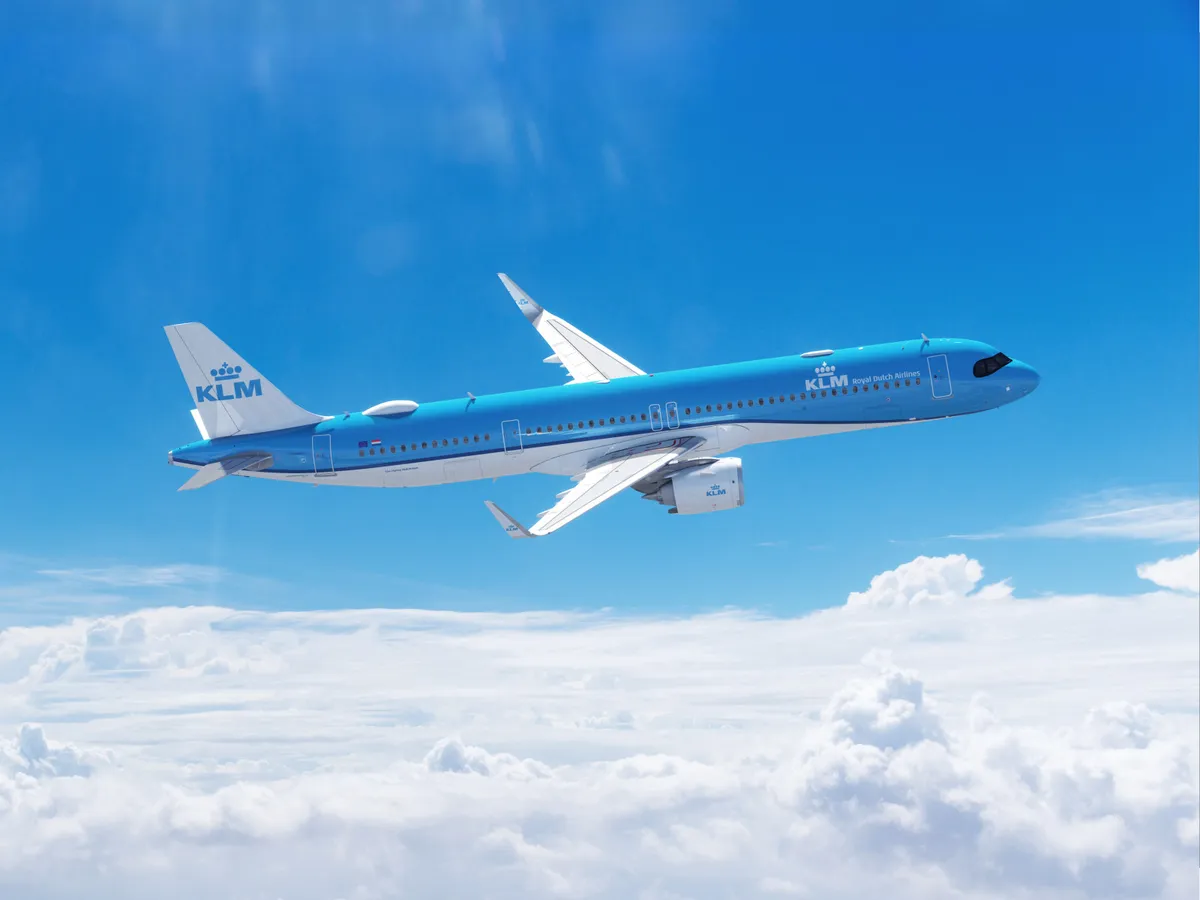
Air France-KLM has cut its capacity growth forecast for 2026 to between 2% and 4%, down from 3% to 5%. This adjustment comes as the airline anticipates a staggering $2.4 billion increase in fuel costs, largely attributed to ongoing geopolitical tensions stemming from the Iran war.
The airline’s total fuel bill for 2026 is projected to reach $9.3 billion, a significant jump from previous estimates. This rise in fuel prices has caused concern within the airline industry, putting pressure on profitability and operating results.
In the first quarter of 2026, Air France-KLM reported an operating loss of €27 million, which was better than the €389 million loss analysts had predicted. KLM’s Back on Track improvement program contributed €159 million in savings during this period, showcasing efforts to manage costs effectively.
KLM CEO Marjan Rintel acknowledged the challenges ahead, noting that “we expect increasing pressure on results due to ongoing geopolitical uncertainty and sharply increased fuel prices.” This sentiment reflects the broader struggle many airlines face in passing on these high fuel costs to customers.
Bas Brouns, a KLM executive, emphasized that “we cannot fully pass on the high fuel prices resulting from geopolitical uncertainty to our customers,” highlighting a key tension in the airline’s pricing strategy.
As Brent crude prices hit a four-year high of $126 per barrel—partly due to concerns about the blockage of the Strait of Hormuz—the airline industry must navigate these turbulent waters carefully.
Looking ahead, analysts suggest that without significant changes in international relations or fuel price stabilization, KLM may continue to face operational losses. The next few quarters will be crucial as they adapt their strategies in response to these challenges.