Introduction
Lunar New Year, also known as the Spring Festival, is one of the most important traditional holidays in many Asian cultures. Set to fall on February 17, 2026, this joyous occasion marks the beginning of the lunar calendar and is a time for family reunions, festivities, and cultural celebrations. The significance of Lunar New Year goes beyond mere festivities; it is a deeply rooted cultural event that embodies hope, prosperity, and renewal for many communities around the world.
Importance of Lunar New Year
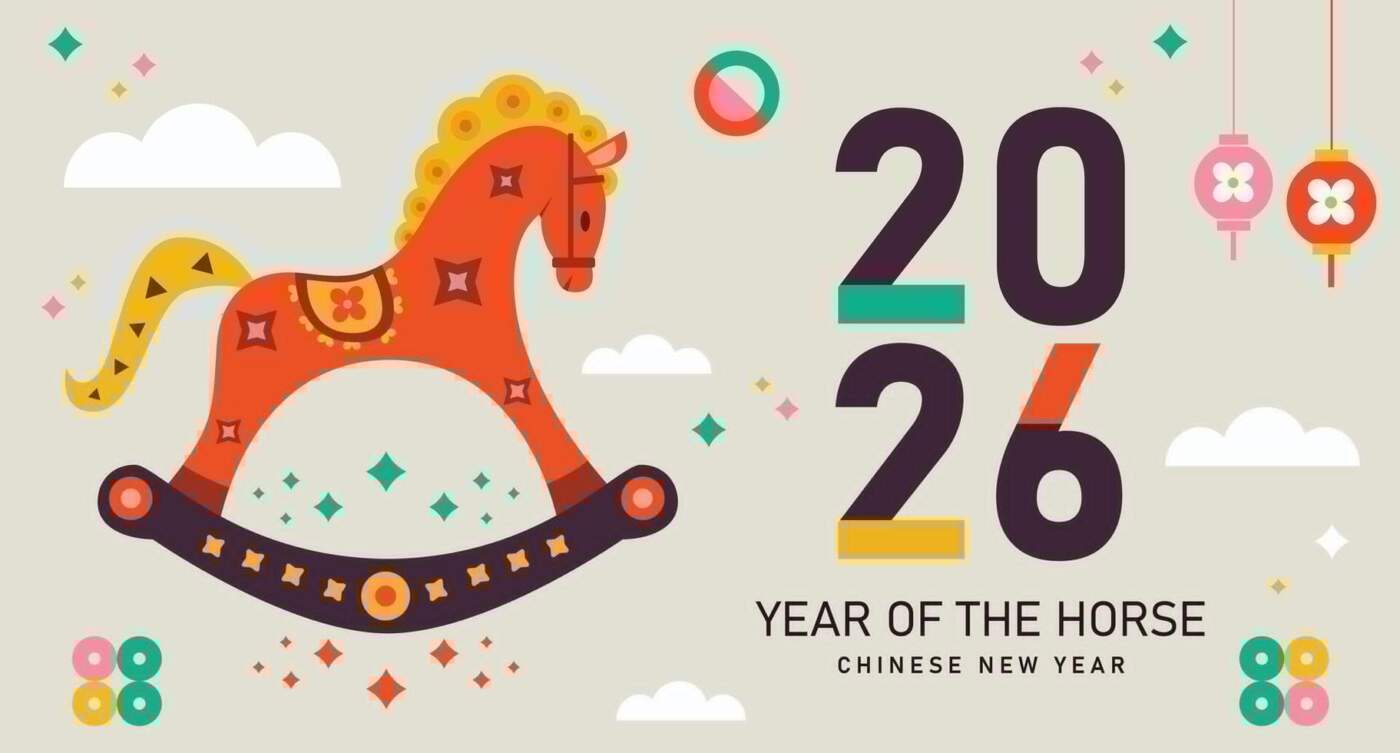
The Lunar New Year symbolizes fresh starts and rejuvenation following the turn of the year. Each year is associated with one of the twelve zodiac animals, and 2026 will usher in the Year of the Horse, known for its attributes of energy, enthusiasm, and confidence. Families often gather to share meals, exchange gifts, and honour their ancestors during this period. Customs vary widely across regions and cultures, from the vibrant parades in China, featuring lion dances and fireworks, to the more subdued family gatherings seen in Vietnam’s Tết celebrations.
Upcoming Celebrations in 2026
Cities around the globe are already planning their Lunar New Year festivities for 2026. Major metropolitan areas such as London, New York, and Sydney are expected to host grand parades featuring cultural performances, food festivals, and community events that highlight the rich history and diversity of Asian cultures. Additionally, many families are beginning to prepare their homes with traditional decorations, such as red lanterns and couplets, which are believed to ward off evil spirits and attract good fortune.
Global Participation and Impact
The Lunar New Year is increasingly celebrated outside of Asian communities, contributing to cultural exchange and understanding. Educational institutions are planning events to teach students about the holiday’s significance and the values associated with it. Retail businesses are also adapting, with many offering special promotions for festive goods such as food, clothing, and decorations. This increasing global participation showcases the relevance of the festival and its positive impact on multiculturalism.
Conclusion
The approaching Lunar New Year in 2026 serves as a reminder of the importance of cultural heritage and community. As families prepare to welcome the Year of the Horse, the emphasis on togetherness and renewal remains central to the celebrations. In a time where inclusivity and understanding are more important than ever, the Lunar New Year stands as a beacon of hope and joy, promising a prosperous year ahead for all who participate in its vibrant traditions.