Introduction
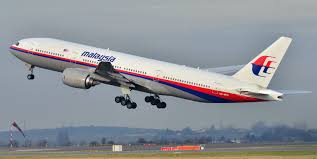
The disappearance of Malaysia Airlines Flight MH370 on March 8, 2014, continues to baffle aviation experts and the families of those on board. This tragedy, which saw 239 passengers and crew vanish without a trace, has prompted extensive searches and investigations, yet the fate of the aircraft remains one of the greatest unsolved mysteries in modern aviation history.
The Disappearance
MH370 took off from Kuala Lumpur International Airport bound for Beijing Capital International Airport. Less than an hour into the flight, the aircraft lost contact with air traffic control. Initial search efforts focused on the South China Sea, but as hours turned into days, a broader search area was identified after satellite data hinted that the plane had flown south towards the Indian Ocean.
Search Efforts
International search efforts have been unprecedented, involving multiple countries and agencies. The Australian Transport Safety Bureau led a search operation in the southern Indian Ocean, which became one of the largest in aviation history. Despite extensive underwater sonar scans covering over 120,000 square kilometres, only a few pieces of debris confirmed to be from MH370 have been located, raising questions about the search methodologies and assumptions made about the aircraft’s path.
Theories and Speculations
Various theories abound regarding the fate of MH370. Some suggest mechanical failure or pilot error, while others propose more sinister scenarios, including hijacking. As the years have passed, the lack of definitive evidence has led to endless speculation and conspiracy theories on social media and in documentaries, further complicating public understanding of the incident.
Recent Developments
As of 2023, there have been renewed calls for further searches, spurred by new oceanographic data and advanced technology that could enable a more concentrated effort. Additionally, researchers are continually analysing the satellite data to refine the search areas. Families of the lost passengers advocate for ongoing governmental support and transparency in investigations to uncover what truly happened to MH370.
Conclusion
The mystery of MH370 remains a poignant reminder of the vulnerabilities of air travel and the importance of advancements in aviation safety. As technology evolves, there is hope that new leads may eventually surface, bringing closure to the grieving families and the world. The case continues to underscore the critical need for improved tracking systems, and may ultimately lead to significant changes in regulatory standards in the aviation industry. For now, the enigma of MH370 captivates and haunts, representing a tragic point in history that challenges our understanding of safety and accountability in air travel.