Introduction to Council Tax
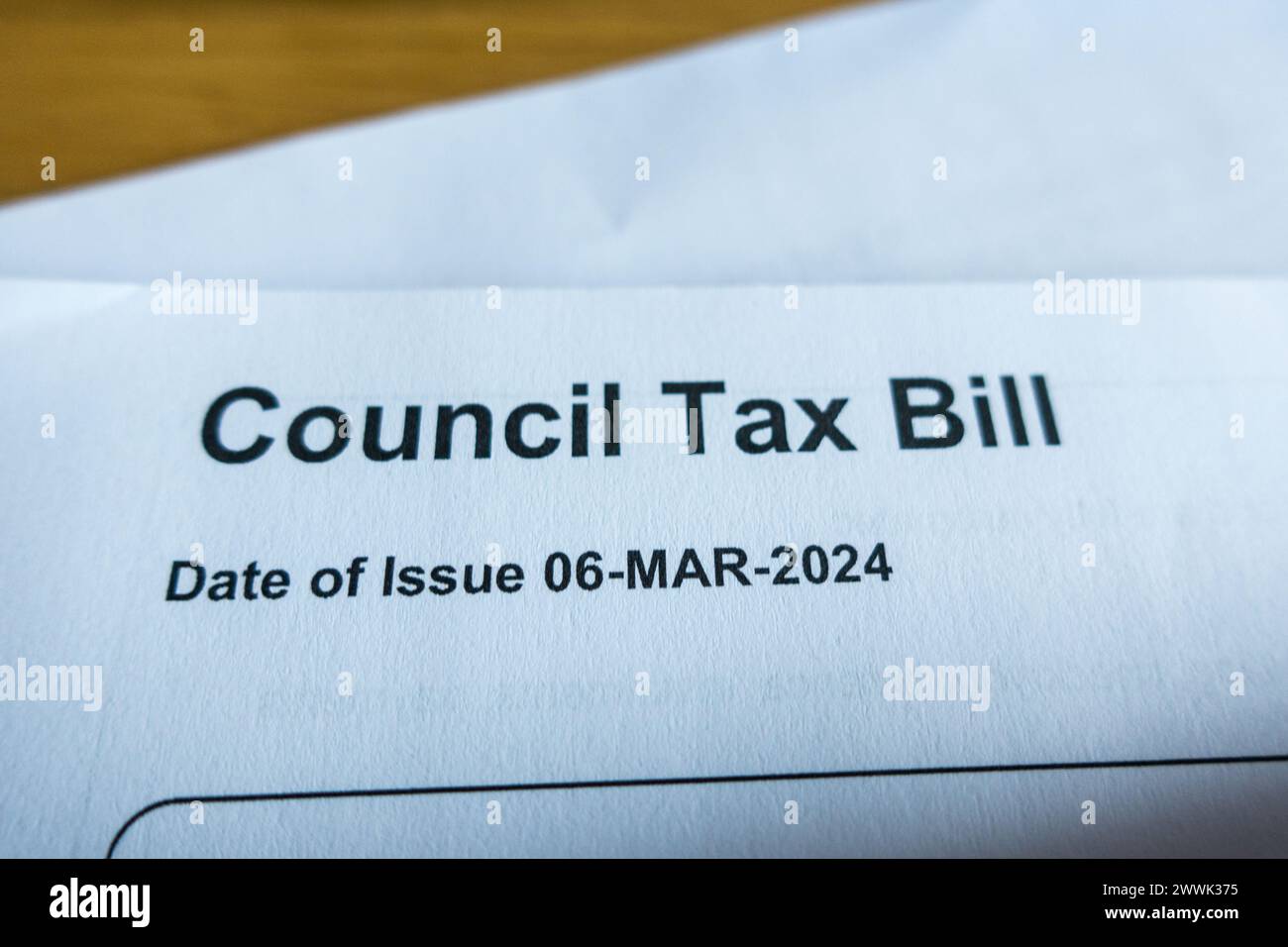
Council tax is a crucial element of local government funding in the United Kingdom. Introduced in 1993 to replace the Community Charge, it is a system of local taxation based on property values and is primarily used to fund local services, including waste collection, road maintenance, and education. With ongoing discussions around its fairness and the financial pressures on local councils, understanding council tax is more important than ever for residents.
Current Developments
In recent months, council tax has been at the forefront of local government discussions, particularly as many councils face severe funding shortfalls. According to the Local Government Association (LGA), funding reductions from central government have led councils to rely increasingly on council tax to meet their budget needs. In April 2023, several councils in England announced plans to raise council tax by up to 5%, citing rising inflation and increased service costs.
Additionally, the review of the council tax banding system has gained traction, with recommendations made for a potential overhaul. Critics argue that the current system, which uses property values from 1991, is outdated and disproportionately affects those in lower-income brackets. Proposals have called for a revaluation of properties to better reflect current market values, ensuring a fairer system for residents.
Impact on Residents
The implications of council tax changes are significant for homeowners and renters alike. For many, council tax constitutes a substantial portion of monthly expenses, leading to financial strain, especially among those on fixed incomes. Local councils have been urged to consider exemptions and reductions to alleviate the burden on vulnerable populations, such as low-income families and the elderly.
Furthermore, the implementation of a proposed local council tax support scheme aims to assist those falling behind on payments due to financial hardship. This initiative, if passed, could provide necessary relief for thousands of households struggling with rising living costs.
Conclusion
As council tax remains a pivotal source of funding for local services, its evolution continues to be a topic of debate in the UK. With possible reforms on the horizon, residents should stay informed about changes that may affect their financial responsibilities. Councils are encouraged to balance their funding needs with the social welfare of their constituents. Looking ahead, the future of council tax may see more equitable solutions that address both funding shortfalls and the financial strain on residents.