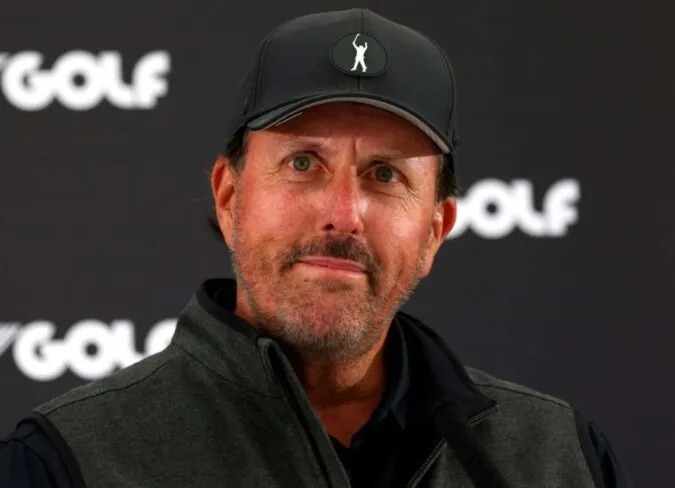
As the golf world gears up for the Masters at Augusta National, anticipation typically builds around the iconic Champions’ Dinner, a celebration of the sport’s legends. However, this year, the atmosphere is tinged with a sense of loss. Phil Mickelson, a stalwart of the game and a three-time Masters champion, will not be in attendance due to a family health matter. This absence is particularly poignant as it marks the first time since 1994 that neither Mickelson nor Tiger Woods will be competing at the Masters, a statistic that underscores a significant shift in the landscape of professional golf.
The decisive moment came when Mickelson announced his absence, a decision that reverberated throughout the golfing community. Rory McIlroy, who has often found himself in the spotlight due to his complicated relationship with Mickelson, expressed his disappointment. “It’s a shame that Tiger Woods and Phil Mickelson will not attend my Masters Champions’ Dinner,” McIlroy said, reflecting the sentiments of many fans and players who have grown accustomed to seeing these legends grace the greens of Augusta.
For Mickelson, who is now 55 years old, this absence has ruled him out for the majority of the season so far. His decision to step back from the tournament not only affects his personal journey but also alters the dynamics of the event itself. Woods, currently undergoing treatment in Switzerland following a serious car crash, faces his own challenges, including three criminal charges related to the incident. Both players, once the titans of golf, now find themselves sidelined, leaving a void that is palpable among fans and fellow competitors alike.
The impact of their absence extends beyond the tournament. McIlroy, who has won six major championships, has been vocal about the changes in the sport, particularly in light of Mickelson’s controversial role in the LIV Golf breakaway. He described Mickelson’s comments on LIV Golf as “naive, selfish, egotistical, and ignorant,” highlighting the friction that has developed in the sport. This tension adds another layer to the narrative as the Masters approaches, with many wondering how these relationships will evolve in the future.
As the Masters unfolds, the absence of both Mickelson and Woods will be felt not just in the competition but in the camaraderie that the Champions’ Dinner represents. McIlroy’s reflections on the dinner reveal the emotional weight of the occasion. “Honestly, I’ve probably thought about that more than the food,” he admitted, indicating how much these gatherings mean to the players and the history they represent.
Looking ahead, the golfing community remains hopeful for the return of these icons. McIlroy expressed optimism, stating, “Hopefully they will be with us in the future, and I’m sure they will be with us in the future.” This sentiment resonates deeply as fans and players alike yearn for the days when Mickelson and Woods can once again share the stage at Augusta National, celebrating the sport they love.
In a sport that thrives on tradition and legacy, the absence of Phil Mickelson and Tiger Woods at this year’s Masters serves as a stark reminder of the changes that can occur in the blink of an eye. As the tournament progresses, the community will undoubtedly reflect on the contributions of these legends and the future of golf as it navigates through this unprecedented time. Details remain unconfirmed regarding the health matters that have led to their absence, but the impact of their decisions will resonate for years to come.