Introduction
The role of the Italian Prime Minister is pivotal in shaping the country’s domestic and foreign policies, especially in the context of Europe’s evolving political landscape. As Italy grapples with economic challenges and international relations, the actions of its Prime Minister have significant implications not just for Italians, but for European cohesion and stability.
Current Leadership
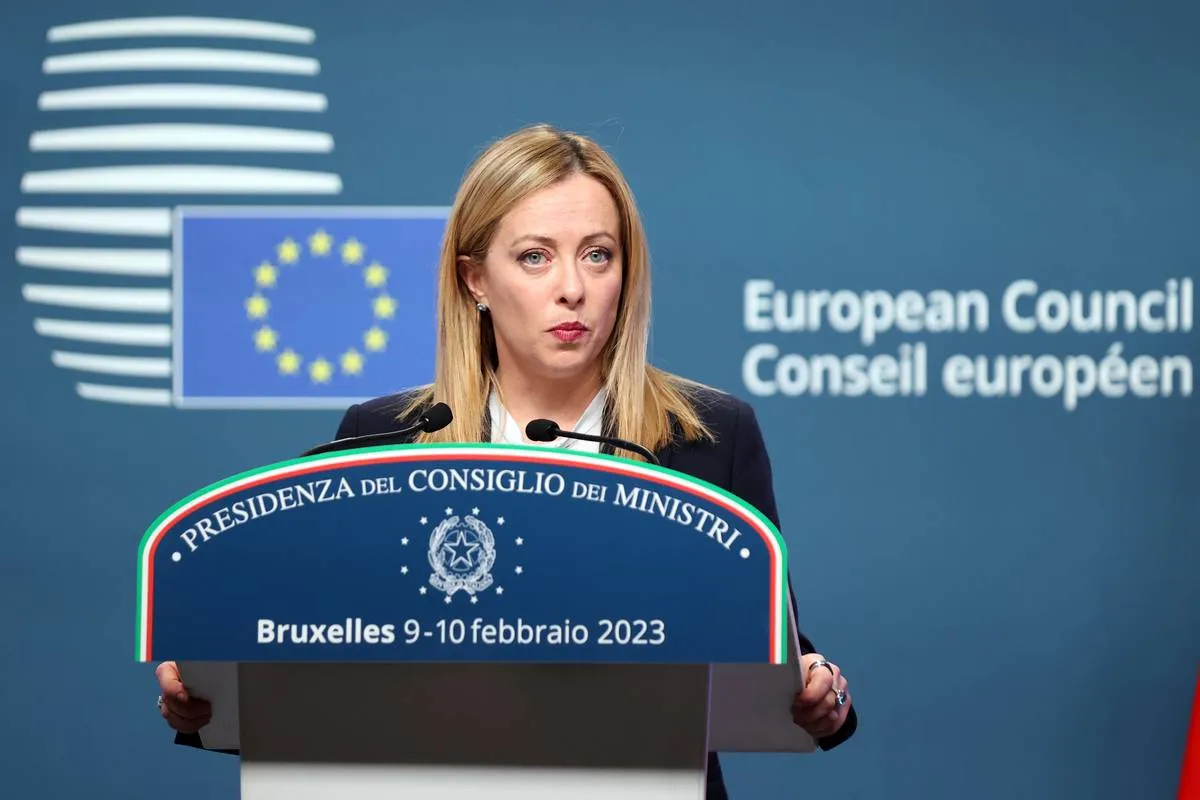
As of 2023, Giorgia Meloni has made history as Italy’s first female Prime Minister, taking office after her Brothers of Italy party gained a significant majority during the elections. Her ascent marked a notable shift in Italy’s political scene, highlighting a rise in nationalist sentiments across Europe. Meloni’s government is focusing on robust economic policies aimed at boosting the Italian economy, which has suffered from high inflation and energy crises exacerbated by the ongoing fallout from the Russia-Ukraine conflict.
Key Policies and Decisions
Since assuming office, Prime Minister Meloni has implemented several key initiatives aimed at stabilizing the economy and reinforcing Italy’s position within the European Union. Notably, her administration has sought to increase support for businesses affected by the pandemic and the energy crisis. One of her government’s primary achievements includes a comprehensive package of measures aimed at countering rising energy costs, which has been a pressing issue for households and industries alike.
In addition to domestic policies, Meloni has also taken a strong stance on immigration. Her government aims to tighten immigration controls and improve national security, responding to concerns over illegal immigration and its implications for law and order. This approach has sparked debate within Italy and across the EU, reflecting broader tensions surrounding immigration policies in many member states.
International Relations
Prime Minister Meloni’s government is also navigating Italy’s role in international diplomacy. In the wake of the ongoing Ukraine crisis, Meloni has pledged continued support for Ukraine while also maintaining a careful balance in relations with Russia. Her administration’s approach reflects a desire to strengthen Italy’s alliances within NATO while upholding national interests.
Conclusion
As Prime Minister Giorgia Meloni continues to lead Italy through a period of significant challenges and changes, her administration’s policies will undoubtedly play a crucial role in shaping the country’s future. With the economy, immigration, and international diplomacy poised as central themes of her government, observers will be keenly watching how these issues impact Italy’s position in Europe and the world. Readers should remain informed as Italy’s political landscape evolves, as it holds greater significance for the European Union’s cohesion and stability in the coming years.