Introduction
Measles, an infectious viral disease, poses significant health risks, particularly in unvaccinated populations. With recent outbreaks reported globally, understanding the symptoms of measles has become increasingly important. Early recognition can prevent complications and further spread, making awareness essential for community health.
Key Measles Symptoms
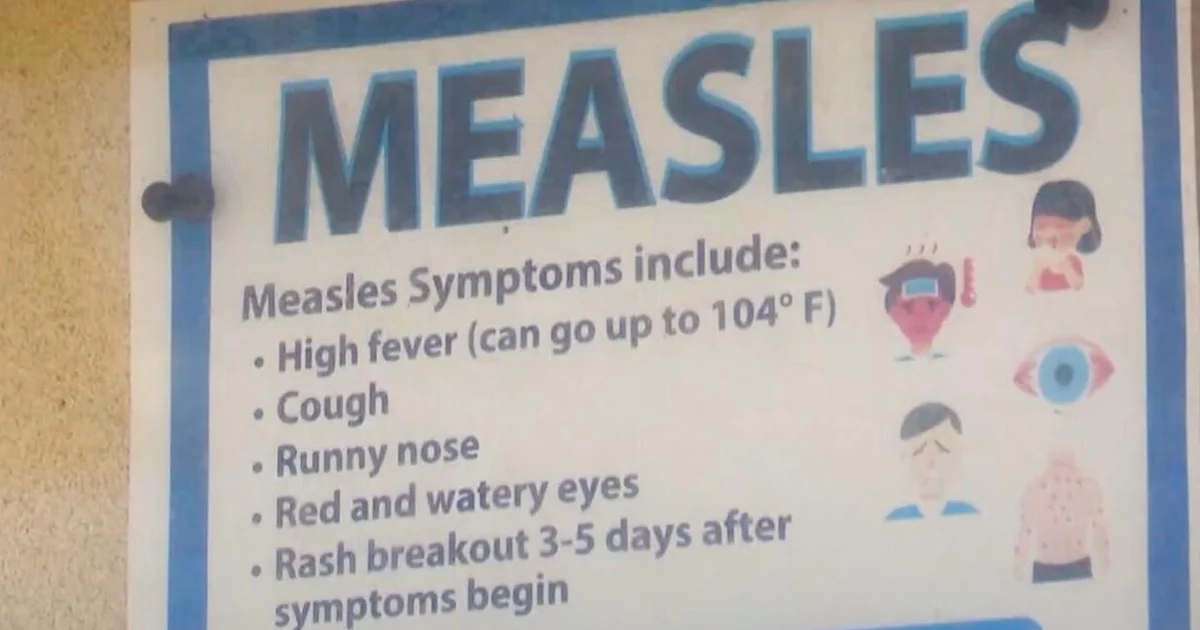
The onset of measles usually begins with mild symptoms that can easily be mistaken for those of a common cold. These include a high fever, cough, runny nose, and inflammation of the eyes (conjunctivitis). However, the distinctive characteristic of measles is the rash that appears after a few days.
The typical progression of symptoms often follows this pattern:
- Fever: The initial fever can reach up to 40°C (104°F) and usually appears 10 to 12 days after exposure to the virus.
- Cough: A dry cough typically accompanies the fever.
- Runny nose: Increased nasal discharge is common.
- Conjunctivitis: Many patients experience red, watery eyes.
- Koplik spots: These tiny white spots may appear inside the mouth two to three days before the rash develops.
- Rash: A red, blotchy rash will usually appear 3 to 5 days after the onset of fever, starting on the face and spreading to the rest of the body.
Complications and Public Health Impact
Measles can lead to severe complications, especially in young children and those with weakened immune systems. Potential complications include pneumonia, encephalitis, and even death. Furthermore, measles is highly contagious, capable of spreading through respiratory droplets. This underlines the importance of vaccination programs aimed at reducing the incidence of measles and protecting public health.
Conclusion
Recognising measles symptoms is essential for timely intervention and reducing transmission. Vaccination remains the most effective strategy to prevent measles outbreaks, highlighting the need for public health awareness campaigns. As recent outbreaks serve as a reminder of the virus’s potential impact, individuals are encouraged to ensure they and their children are fully vaccinated. Public health organisations continue to stress the importance of awareness, vaccination, and community cooperation to combat the return of measles.